Memphis Building & Construction
Trades Council
Powering · Labor Education
THE SOUTH GOT SOMETHING TO SAY
Educate · Organize · Mobilize · #LaborEducation
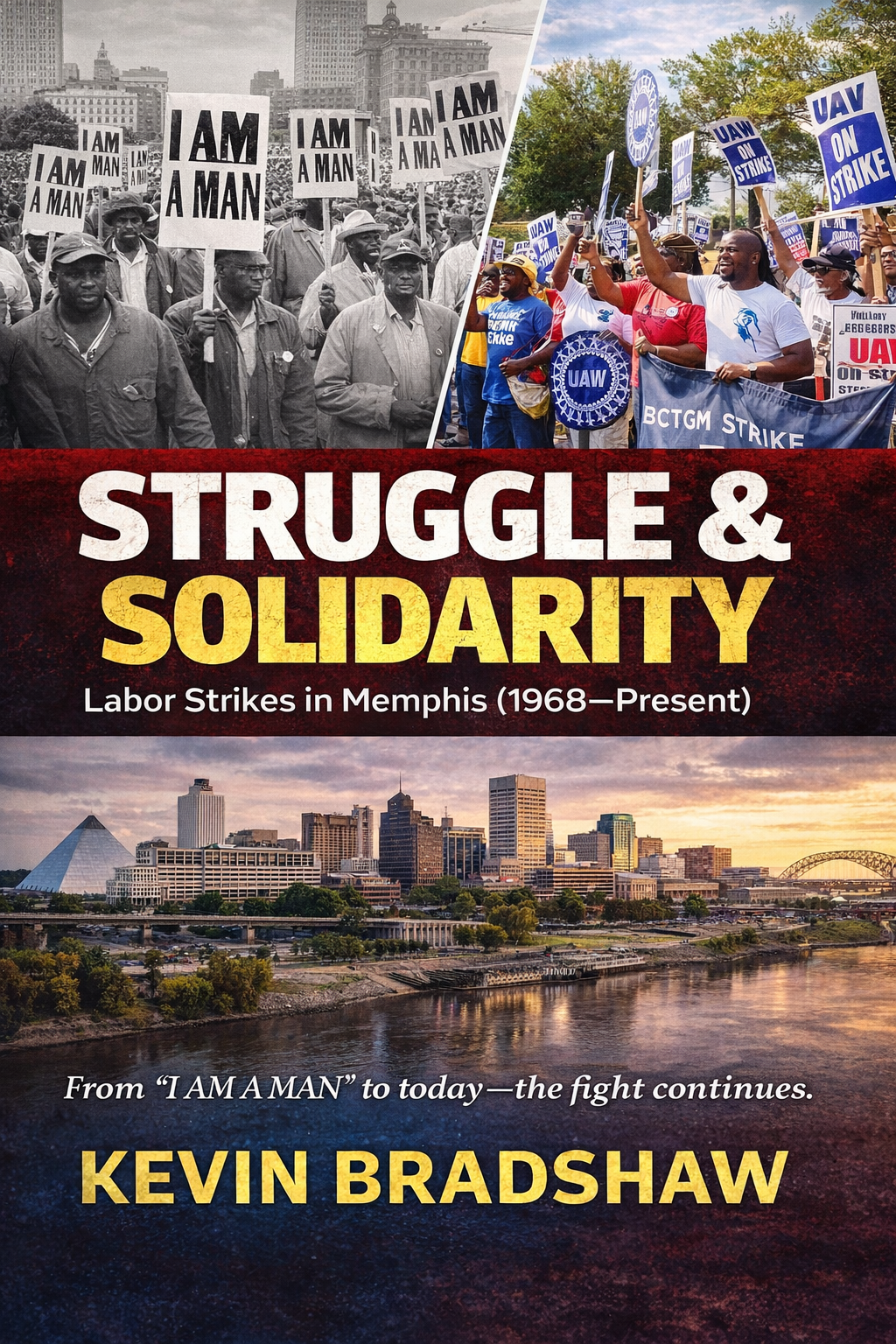
© 2026 Kevin Bradshaw. All Rights Reserved.
Dedication
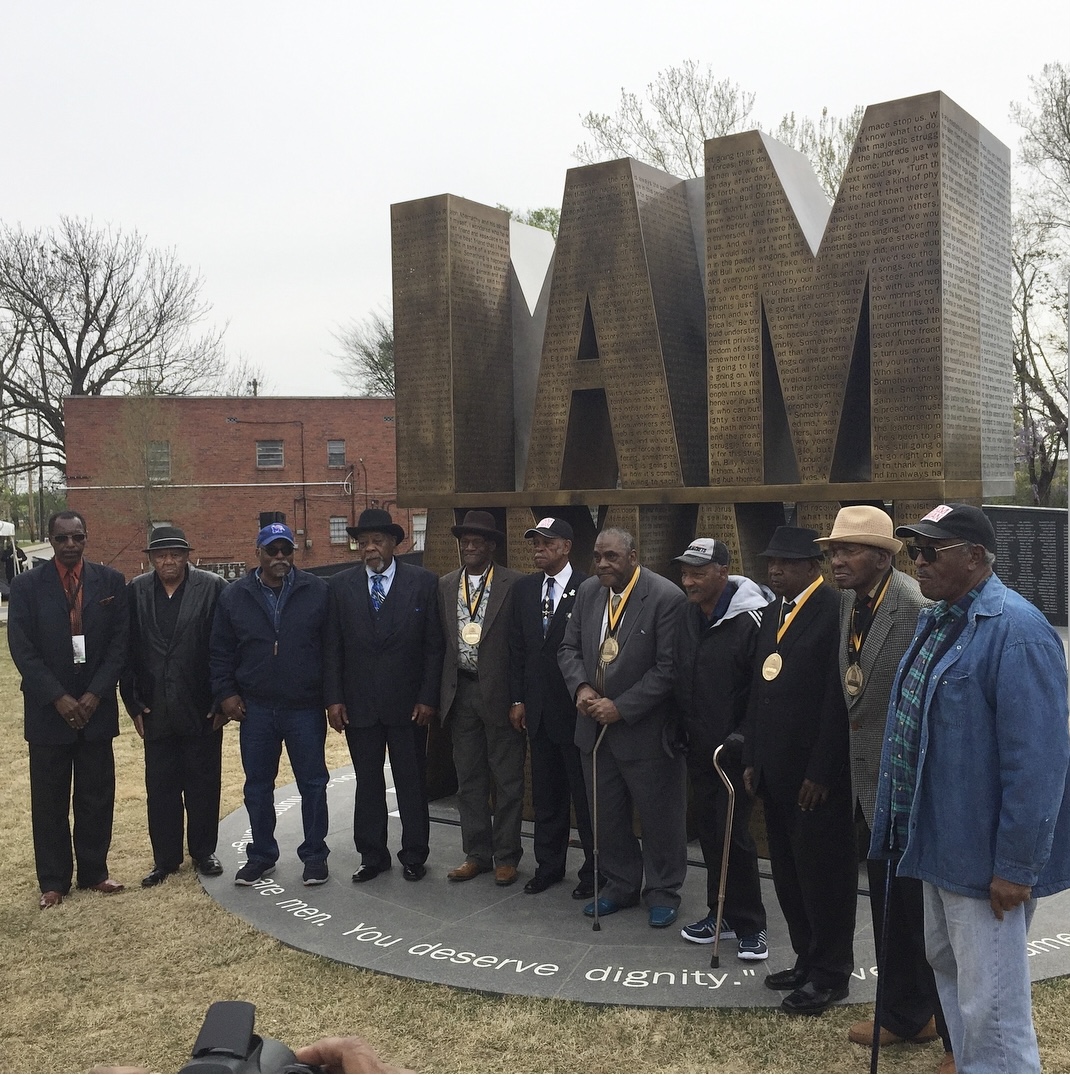
The last surviving members of the 1968 Memphis Sanitation Strikers — together for the final time at the "I AM A MAN" monument, before they all passed
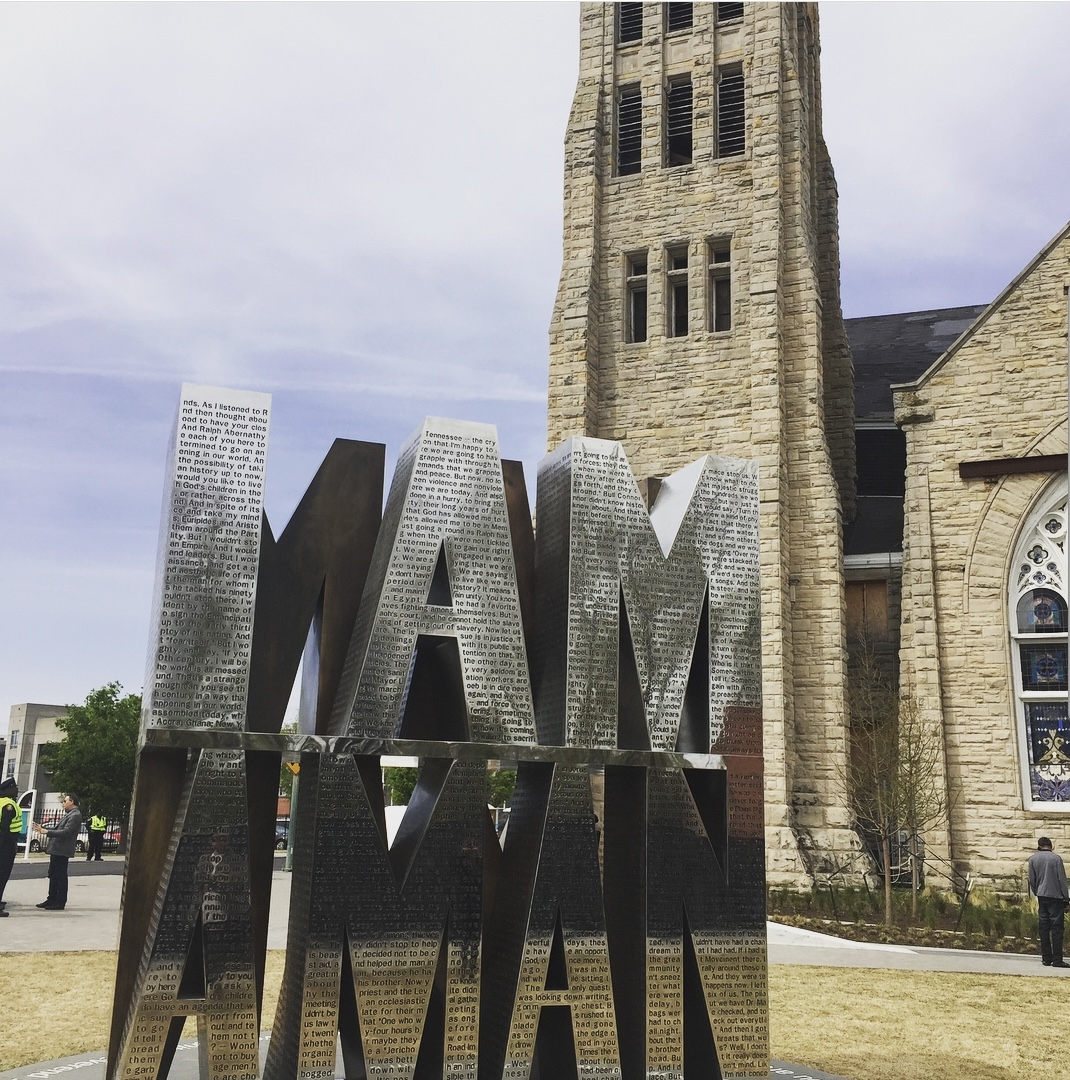
The "I AM A MAN" monument at the historic Clayborn Temple — Memphis, Tennessee
To the sanitation workers of 1968 who stood and declared
"I AM A MAN"
And to every worker — past, present, and future — who refuses to accept injustice and continues the fight for dignity, fairness, and respect.
Special Dedication
To my loving wife, Avice Bradshaw,
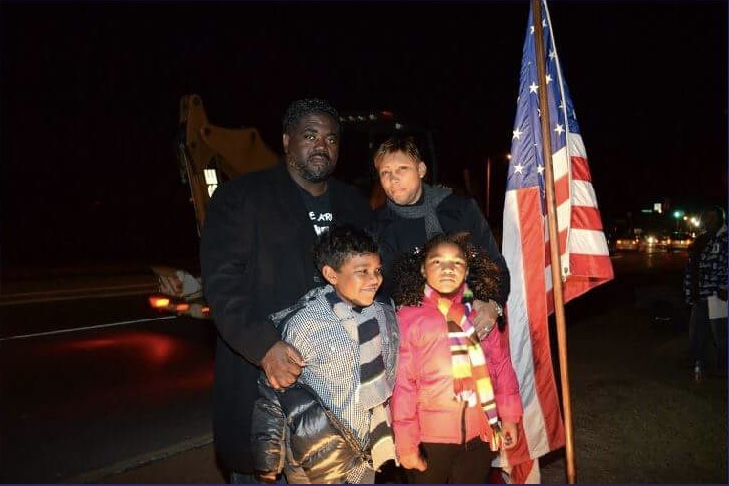
The Bradshaw family on the Kellogg's lockout picket line — standing together through it all
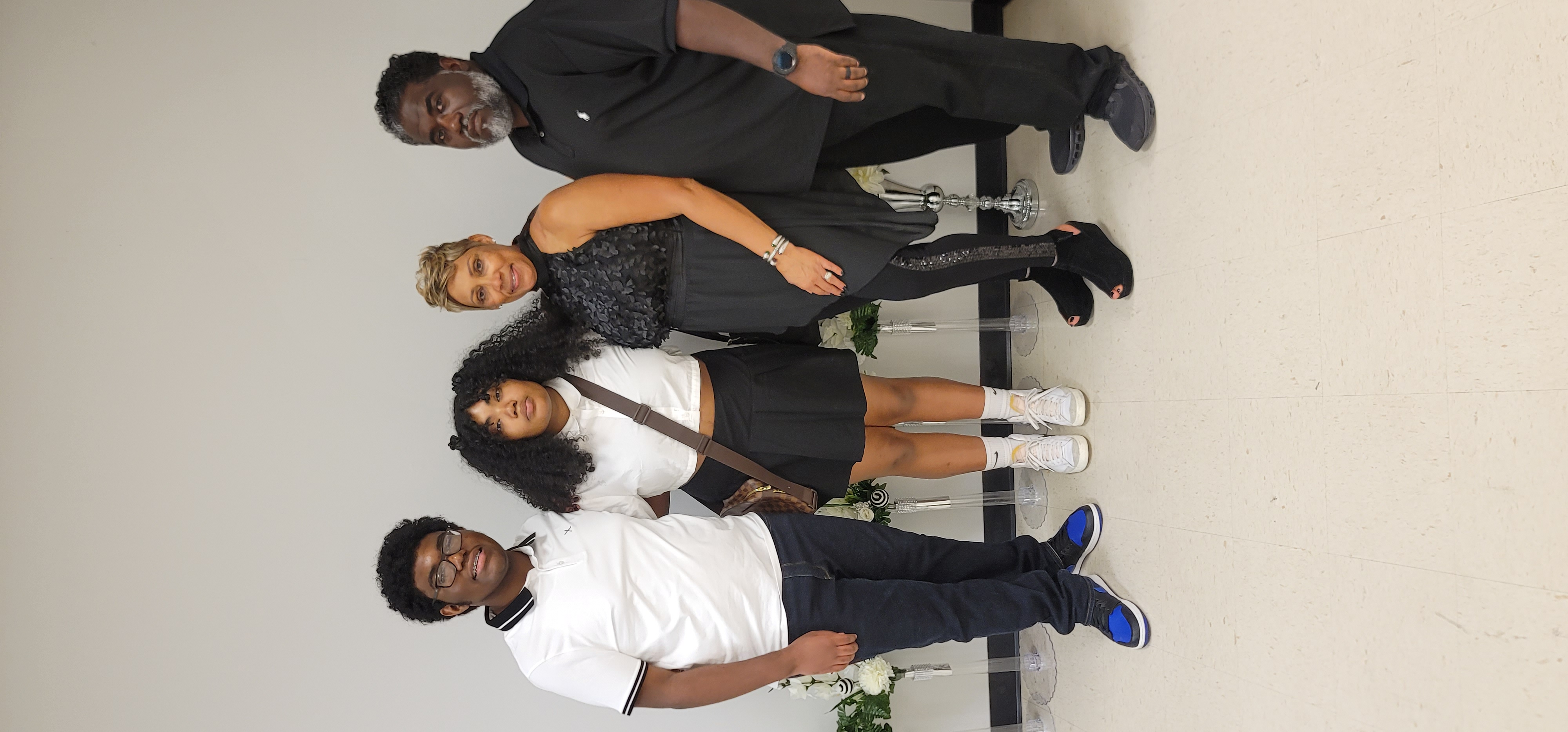
The Bradshaw family — love, strength, and unity
Thank you for being my strength, my peace, and my foundation. Through every long meeting, every late night, every early morning on the picket line, and every challenge that comes with fighting for working people — you have been there. Your love, patience, and unwavering support have carried me through this journey in the labor movement.
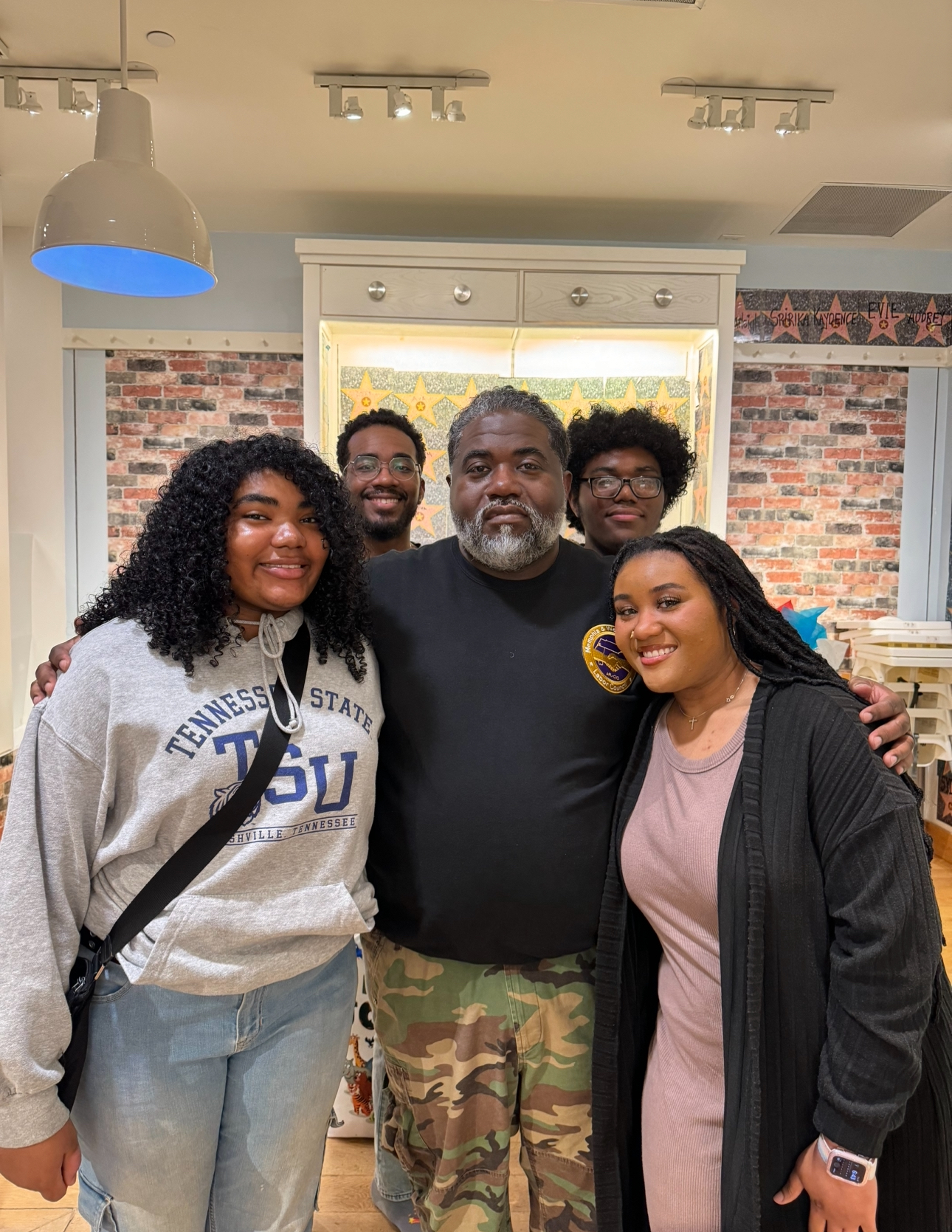
The Bradshaw family — together through it all
To my children, Taylor, Jordan, Kode, and Kobe
I know there were nights I wasn't home. Mornings I left before you all woke up. Weekends spent on picket lines instead of with you and your special moments. I know there were times you all didn't fully understand why Daddy had to go — why the phone was always ringing, why the meetings never seemed to end, why I carried the weight of other people's fights on my shoulders when I could have just been there with you all.
But you all never stopped loving me. You never stopped being proud of me. And that — more than any contract I ever negotiated, more than any rally I ever led — is the greatest victory of my life.
Each one of you showed me something different — strength, joy, determination, and a love that doesn't need perfect attendance. It just needs a heart that never quits. And that's what you all gave me every single day.
I fought for working families because I am one. Everything I did out there — every stand, every sacrifice — was because I wanted a better world for you all. Thank you for understanding, even when it was hard. Thank you for loving me through it all. I love you all more than words in any book could ever say.
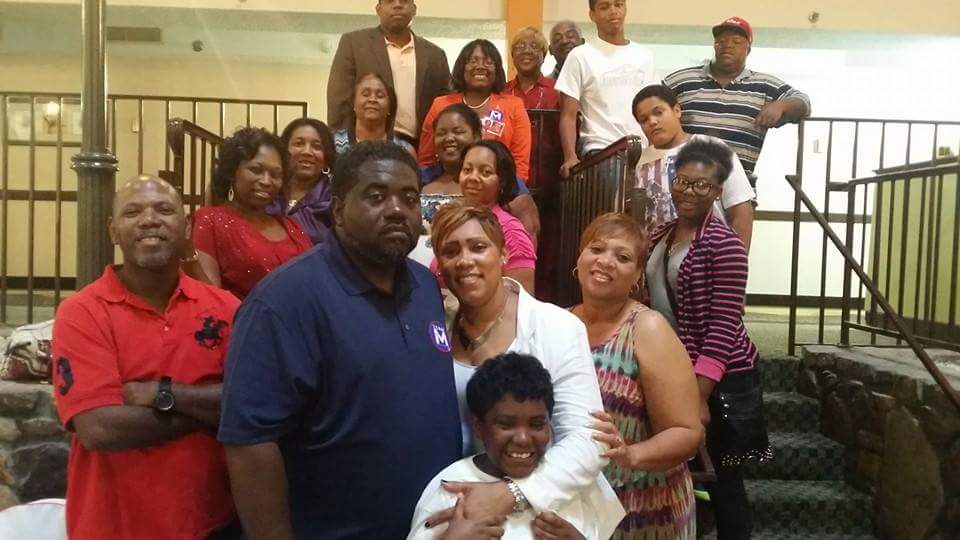
The Bradshaw family at the end-of-lockout celebration dinner — 10 months of struggle, one family stronger
To my family — thank you for your constant encouragement, your understanding, and your sacrifice. Because of you, I have been able to stand strong for others.
"Behind every strong leader is a strong foundation — and mine is my family."
Still On the Line
The big sisters and brothers who walk this road with us today
Not every legend is in the history books yet. These are the leaders, organizers, and scholars still giving their years to working people — the ones I lean on, learn from, and stand beside.
Gail Tyree
CWA International & CWA Local 3866 · fmr. Executive Director, AFSCME Local 1733
40+ Years in the Movement
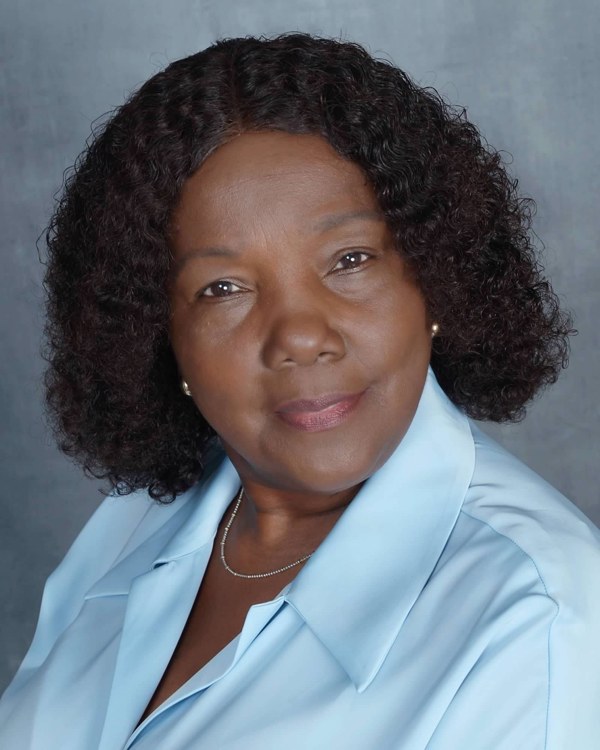
"My big sister in the labor movement. She led the house that 1968 built — AFSCME Local 1733 — through a pandemic, stood on our Kellogg's picket line, served as Labor Liaison to the United Way of the Mid-South for the Memphis CLC, and now organizes new frontiers with CWA. Numerous boards, many awards for leadership, service, and excellence — and she still makes time to teach the rest of us."
Read their full storyRose Turner
Secretary-Treasurer, UFCW Local 1529
40+ Years in the Movement
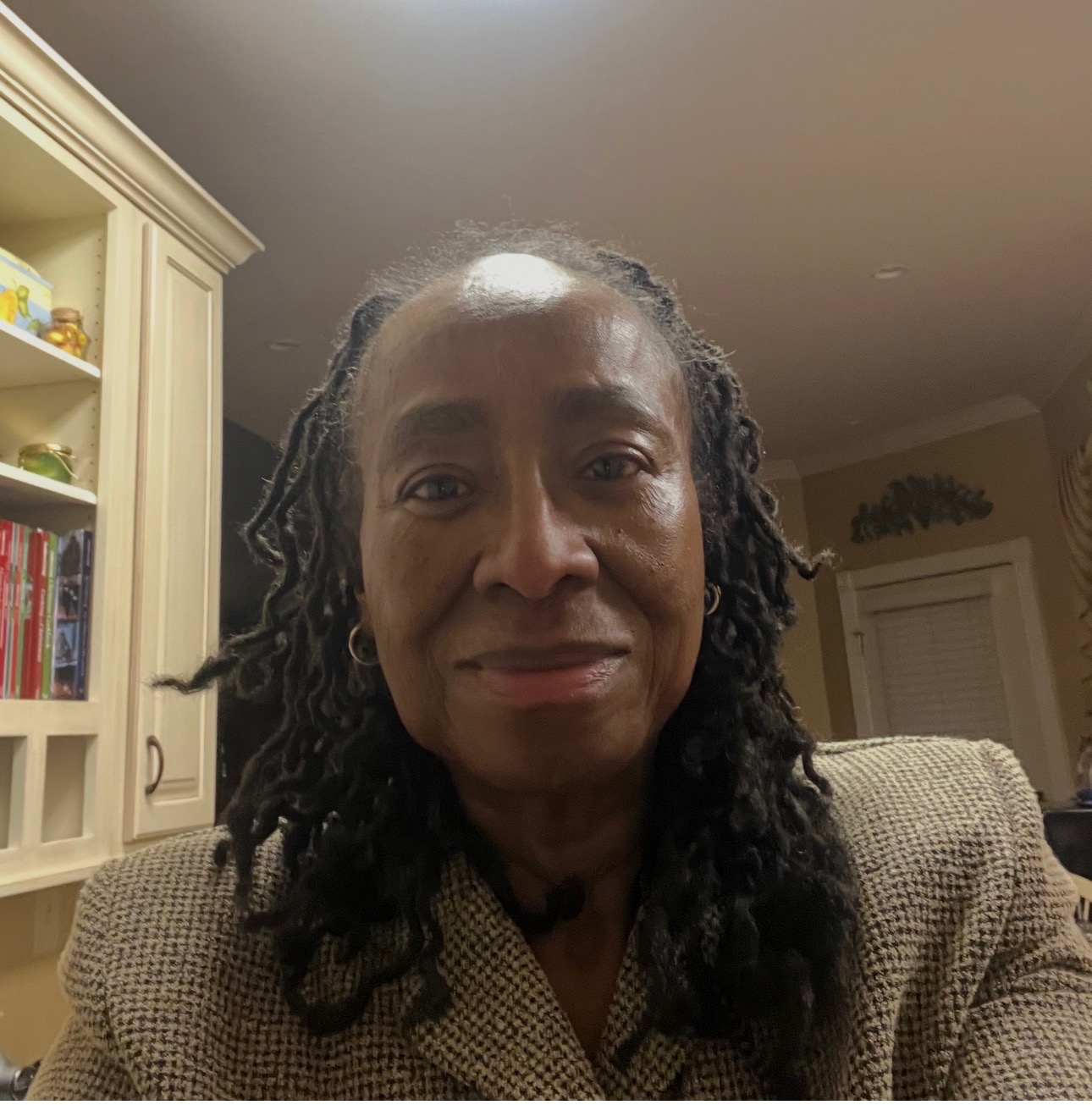
"My big sister in the movement and a shining light in the South. From a nursing home floor in 1981 to leading the 1990 Delta Pride Catfish Strike — the largest strike by Black workers in Mississippi history — to winning first contracts for 750 poultry workers in 2024. When Rose talks, you listen. When Rose organizes, you win."
Read their full storyDr. Charles McKinney
Professor of History & Africana Studies Chair, Rhodes College · WIN Board · Memphis For All Chair
The Professor of the Movement
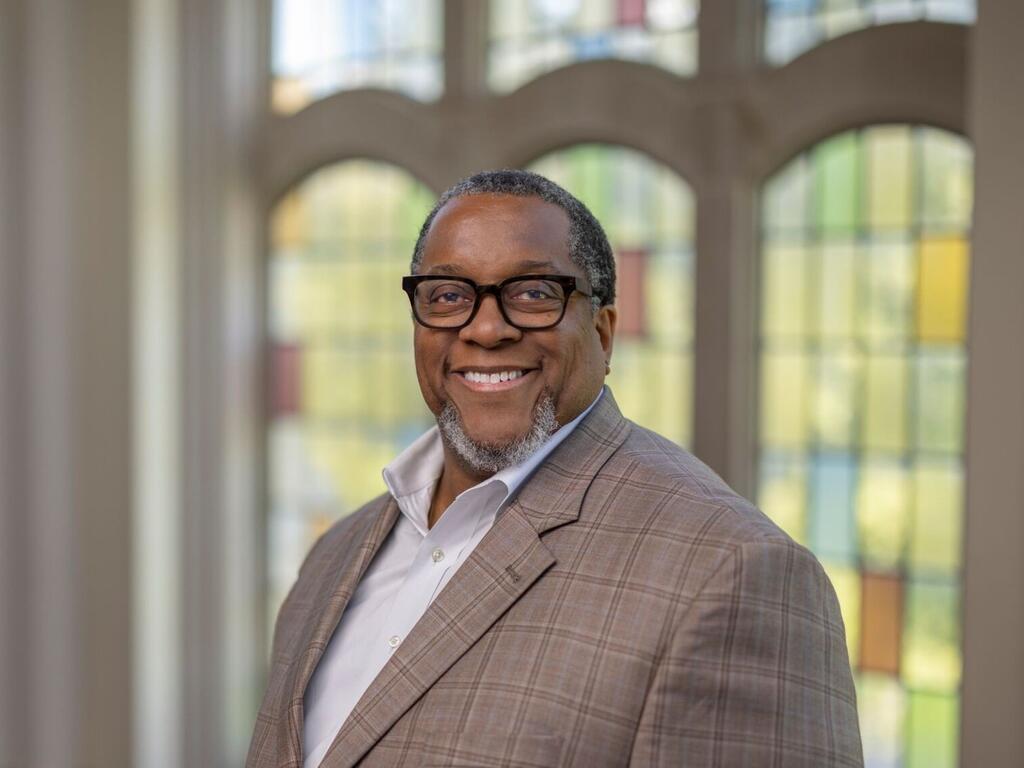
"A great friend of labor and the scholar who connects our fights to our history. Board member of the Workers Interfaith Network, chair of Memphis For All, Labor South team member, and a trainer of union organizers across the South. His books on the Black freedom struggle — including the Memphis story — are our curriculum."
Read their full storyBraxton Winston II
President, North Carolina State AFL-CIO · IATSE Locals 322 & 491
The Stagehand President
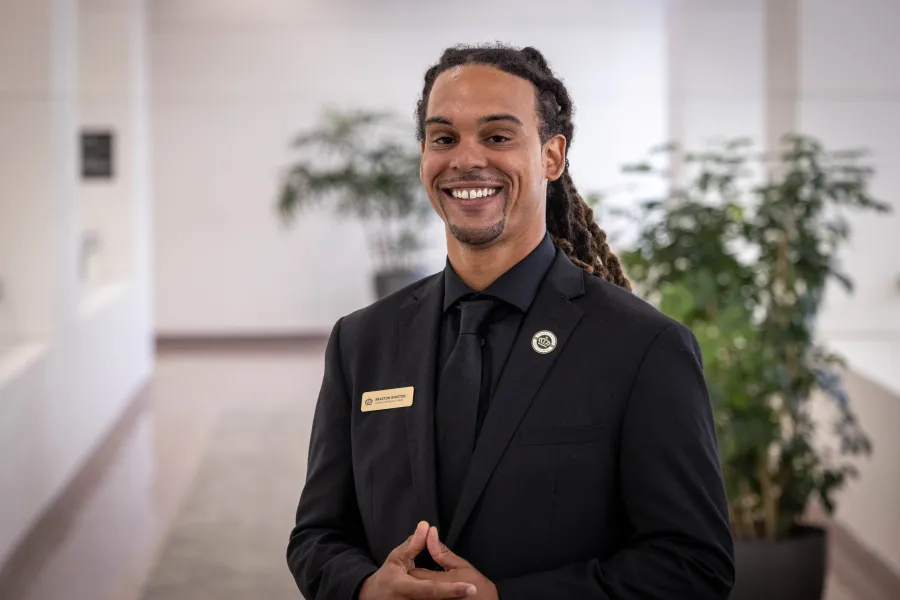
"A good friend and a brother in the fight. A working union stagehand who became Charlotte's Mayor Pro Tem and now leads the North Carolina State AFL-CIO — organizing worker to worker in the least-unionized state in the nation. We stood together at the AFL-CIO 30th Constitutional Convention, and we keep standing together across state lines."
Read their full storyMemphis Legends
The Leaders Who Paved the Way
This book is dedicated to the memory of great leaders who paved the way — not just through titles and positions, but through love, sacrifice, and an unwavering commitment to justice. These are their stories, in their honor.
State Representative Barbara Cooper
Educator, Pioneer, Activist & Fighter
1929 – 2022
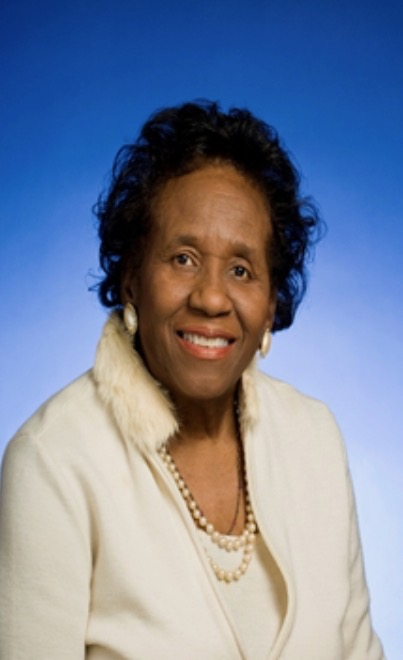
State Representative Barbara Cooper — District 86
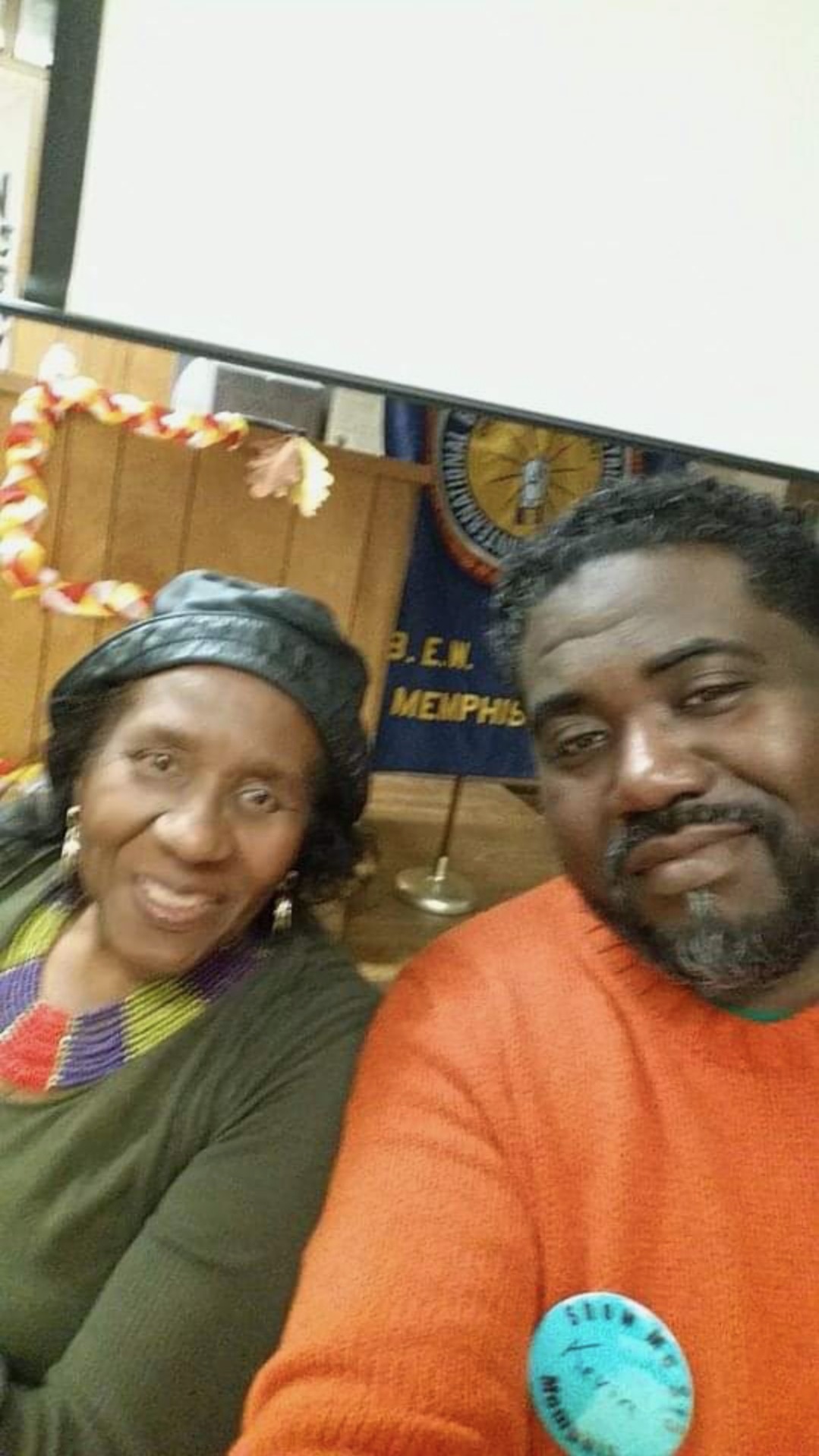
State Rep. Barbara Cooper & Kevin Bradshaw at IBEW Memphis
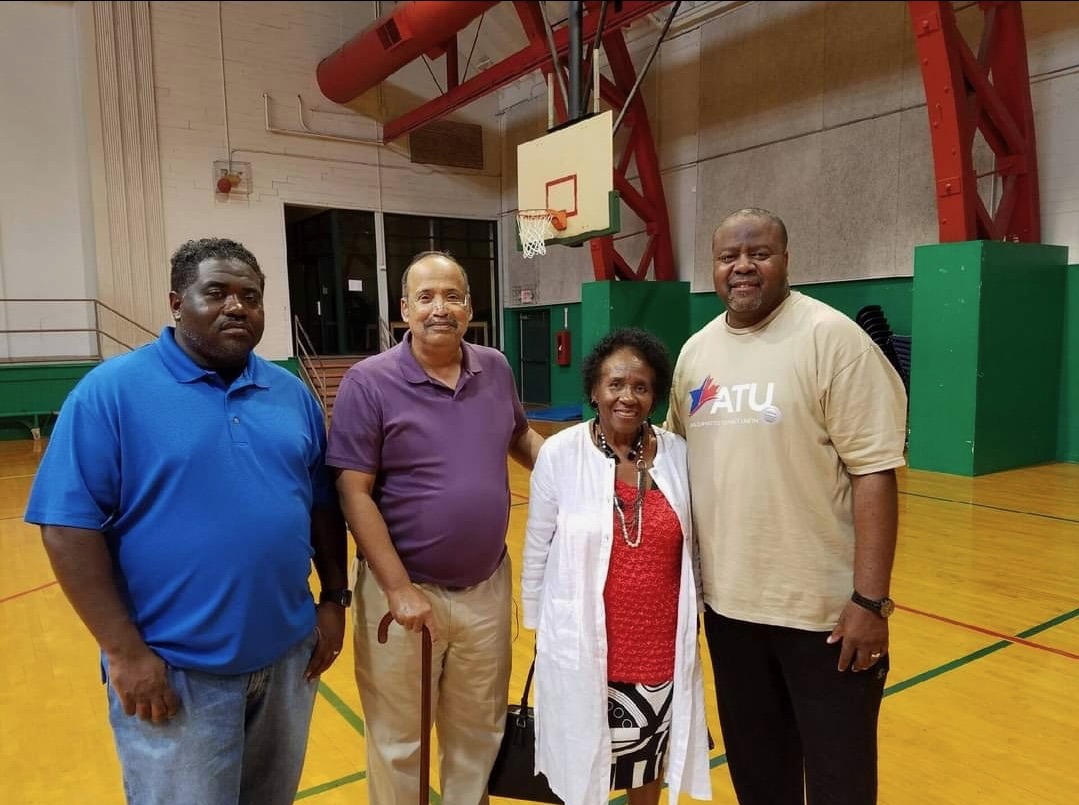
Kevin Bradshaw, Dr. Clifford Black, State Rep. Barbara Cooper & ATU President Thomas Davidson
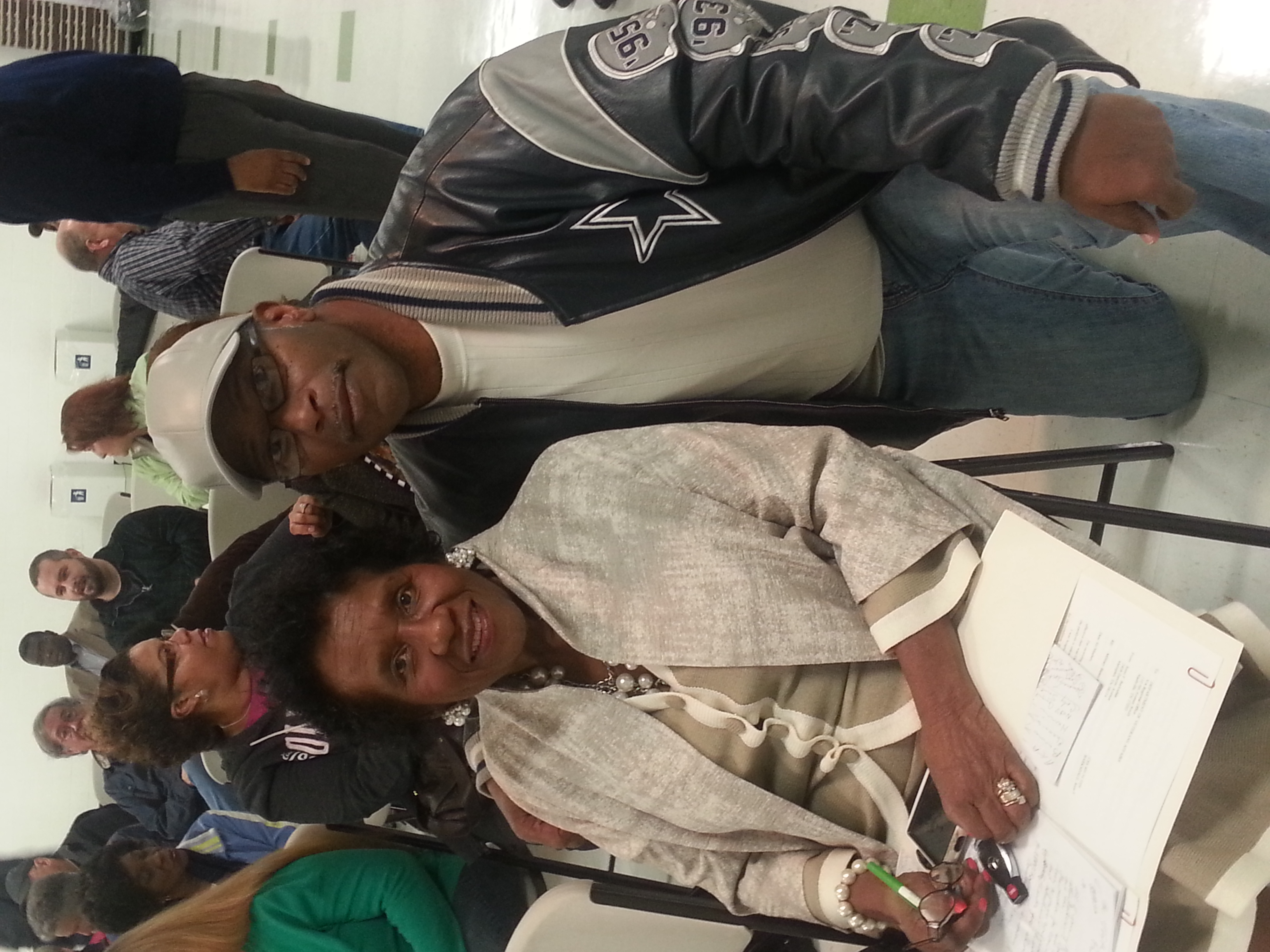
State Rep. Barbara Cooper & BCTGM 252G Member Jerold Lewis
State Representative, District 86 — 11 terms, over 20 years of service. The oldest active state legislator in Tennessee history.
Historical Legacy
Barbara Cooper earned her Bachelor's and Master's degrees in Education from Tennessee State University and later completed a Doctorate from Jacksonville Theological Seminary. She served as a Memphis City Schools teacher and Community Relations Specialist for the federal Title I education initiative. She chaired the African-American People's Organization, which organized the convention that helped elect W.W. Herenton as the first African American mayor of Memphis in 1991. She was known across Memphis as the walking embodiment of "Unity in the Community." She also played a role in helping save the Lorraine Motel — the site that would become the National Civil Rights Museum.
Judge D'Army Bailey
Civil Rights Giant & Founder of the National Civil Rights Museum
1941 – 2015
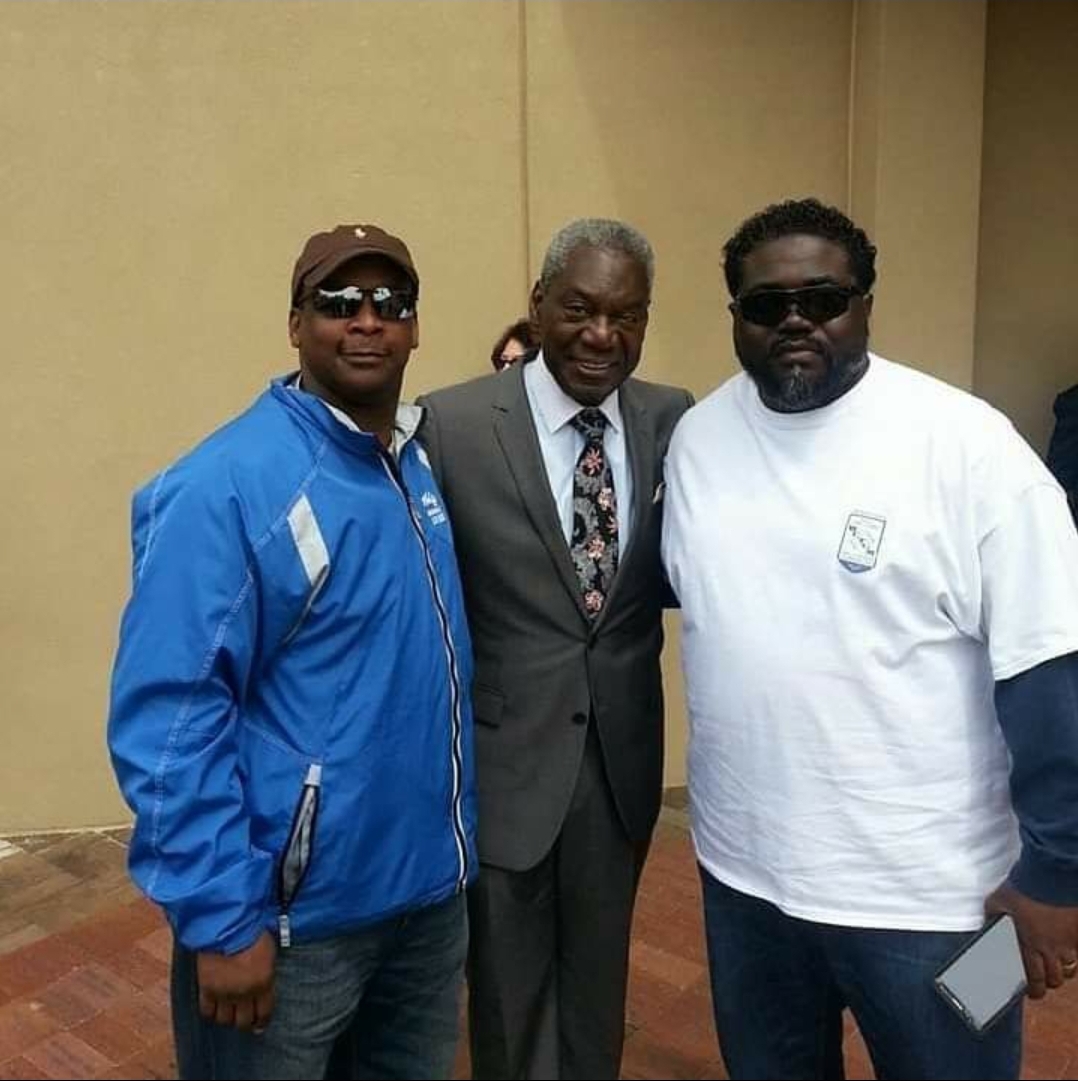
Trence Jackson, Judge D'Army Bailey & Kevin Bradshaw
Attorney, Judge, Author, and Founder of the National Civil Rights Museum at the Lorraine Motel in Memphis.
Historical Legacy
D'Army Bailey was born in Memphis and emerged as a civil rights leader early in life. At Southern University in Louisiana, he organized protests against segregated lunch counters, leading 2,000 students to the Baton Rouge jail in December 1961 — he was expelled for "failure to adjust." He went on to earn his law degree from Yale University in 1967. Bailey spearheaded the transformation of the Lorraine Motel — the site of Dr. Martin Luther King Jr.'s assassination — into the National Civil Rights Museum, serving nine years on its board as its last living founder. He served 19 years as an elected judge on Tennessee's trial court bench and was recognized as one of Memphis's most important civil rights crusaders.
Bishop E. Lynn Brown
Senior Bishop, Christian Methodist Episcopal Church
Passed November 22, 2019
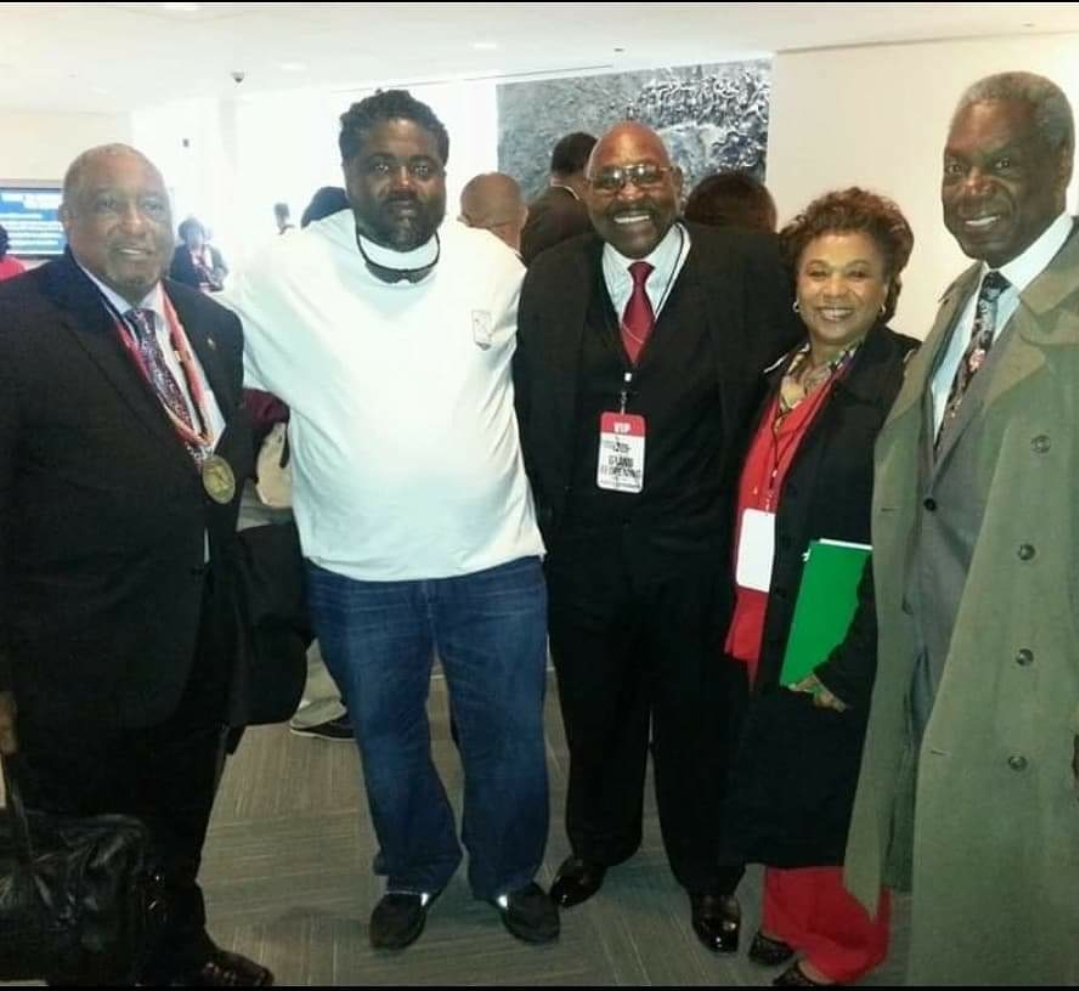
Backstage at the 2014 National Civil Rights Museum Grand Reopening — Dr. Lafayette, Kevin Bradshaw, Bishop E. Lynn Brown, Congresswoman Barbara Lee & Judge D'Army Bailey
46th Presiding Bishop of the CME Church. Pastor of Temple of Love CME and Mt. Pisgah CME in Memphis. Founder of the CME Publishing House.
Historical Legacy
Bishop E. Lynn Brown was a native of Madison County, Tennessee. He earned his Bachelor's degree from Lane College in 1960, his Master of Divinity from Phillips School of Theology, and pursued doctoral studies at McCormick Theological Seminary. Before his election as bishop in 1986, he served as general secretary of the CME Church's Board of Publication Services and founded the CME Publishing House. At Mt. Pisgah CME Church in Memphis, he developed an urban ministry model for the community. He was assigned to the Ninth Episcopal District and later served as Resident Bishop in Cincinnati. He was renowned for his oratory, social justice activism — including founding involvement with the Southern Christian Leadership Conference — and coalition-building across racial and denominational lines.
Lorenzo Banks
1968 Sanitation Striker & AFSCME Leader
1968 Strike Veteran
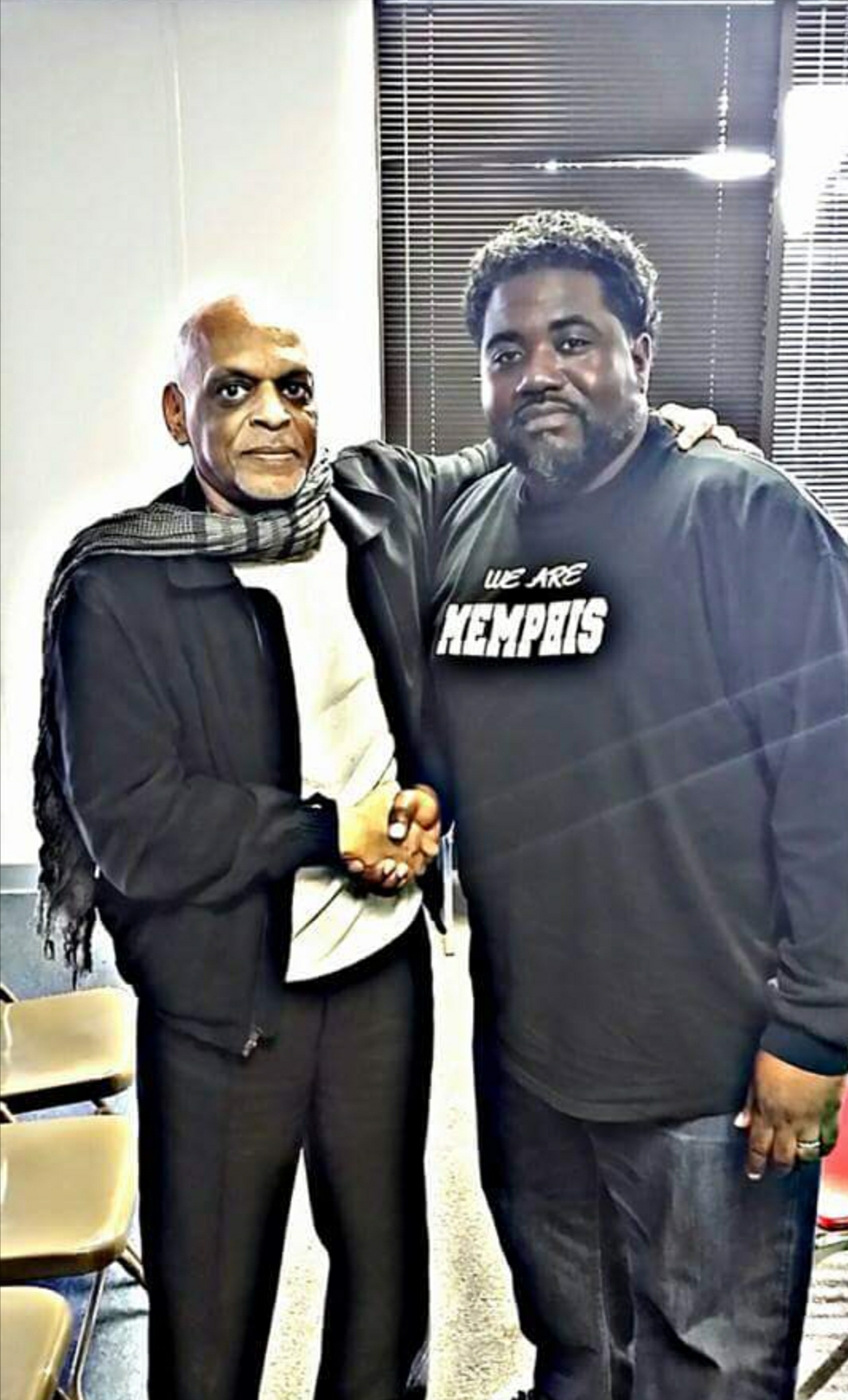
Lorenzo Banks & Kevin Bradshaw
AFSCME International Representative who served on the front lines of the 1968 Memphis Sanitation Workers' Strike.
Historical Legacy
Lorenzo Banks was an AFSCME international representative who played a pivotal role during the 1968 Memphis Sanitation Workers' Strike. He worked on the ground alongside T.O. Jones of AFSCME Local 1733, rallying workers, negotiating with city officials, and connecting the strike to the broader civil rights movement. The strike — sparked by the deaths of Echol Cole and Robert Walker — lasted 65 days and ended with union recognition, wage increases, and a victory that linked labor rights and civil rights forever.
Reverend Dwight Montgomery
SCLC President, Memphis & Pastor
Passed 2017
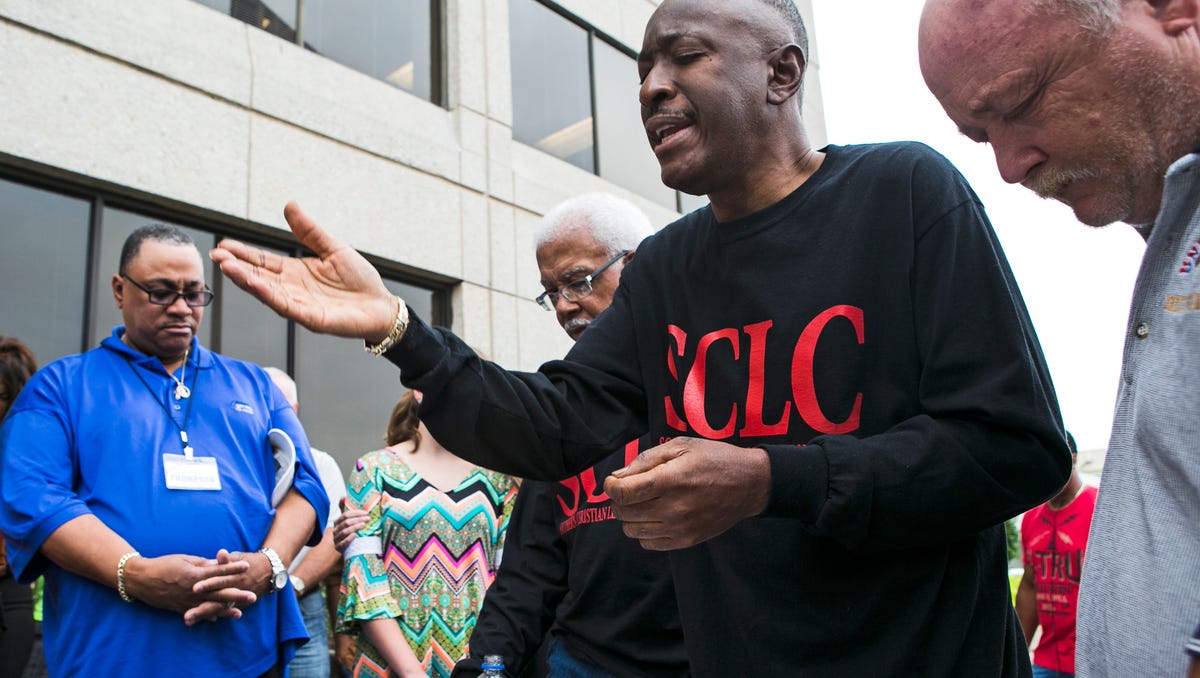
Rev. Dwight Montgomery praying for locked-out Kellogg's workers in front of the EEOC building in Memphis — with Coleman Thompson, Rev. Leonard Dawson & Earl Early
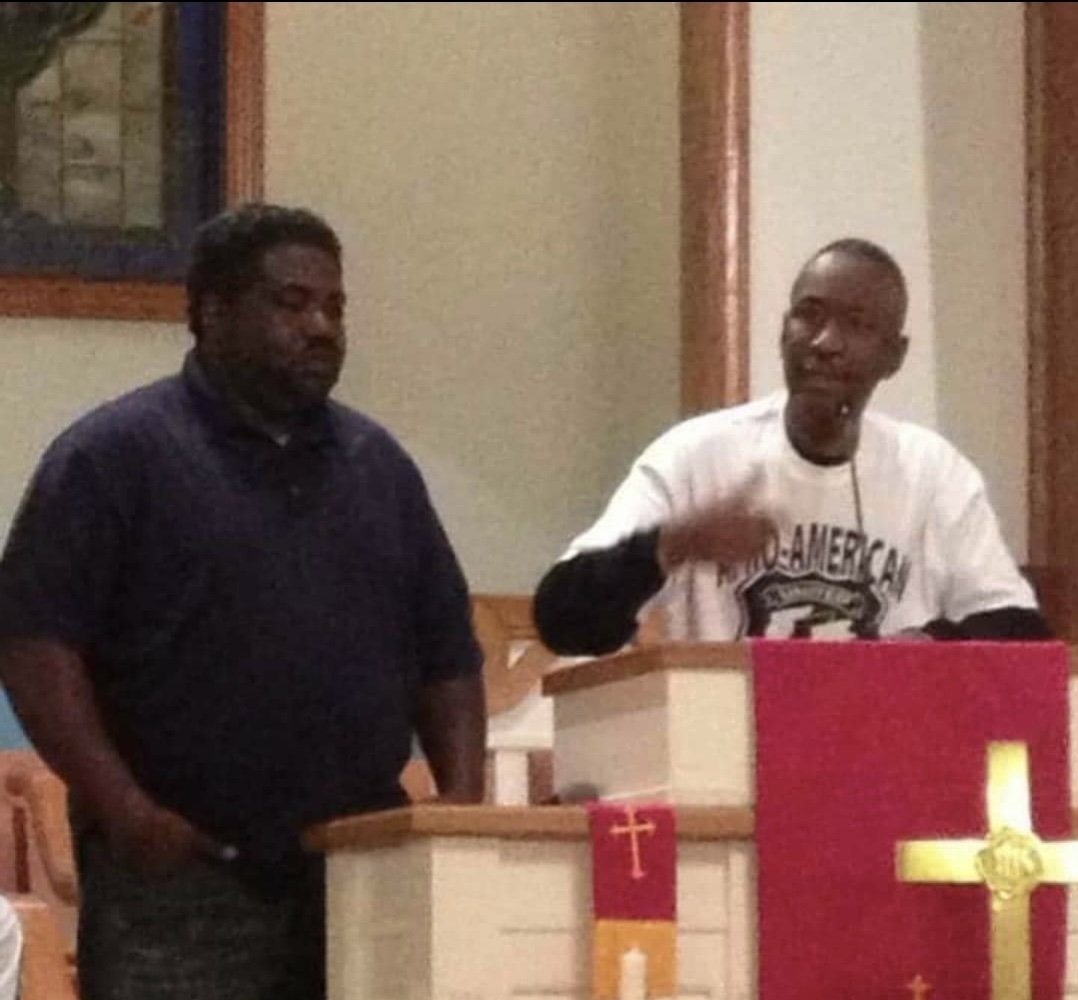
Rev. Dwight Montgomery introducing Kevin Bradshaw at the City Workers Rally at Cane Creek M.B. Church
President of the Southern Christian Leadership Conference (SCLC) in Memphis. Pastor of Annesdale Cherokee Baptist Church. Member of the Baptist Ministerial Association.
Historical Legacy
Rev. Dr. Dwight Montgomery served as SCLC President in Memphis, where he personally funded the organization when resources were short. As pastor of Annesdale Cherokee Baptist Church, he was known as a maverick who spoke out for the people despite unpopular views. He was a member of the Baptist Ministerial Association in Memphis and was recognized as "the epitome of leadership and civil rights" — advocating for students, parents, and equality regardless of income. U.S. Education Secretary Betsy DeVos praised him as a "steadfast advocate" upon his death.
Virgie Banks
Political Leader & Community Activist
President, Democratic Women of Shelby County
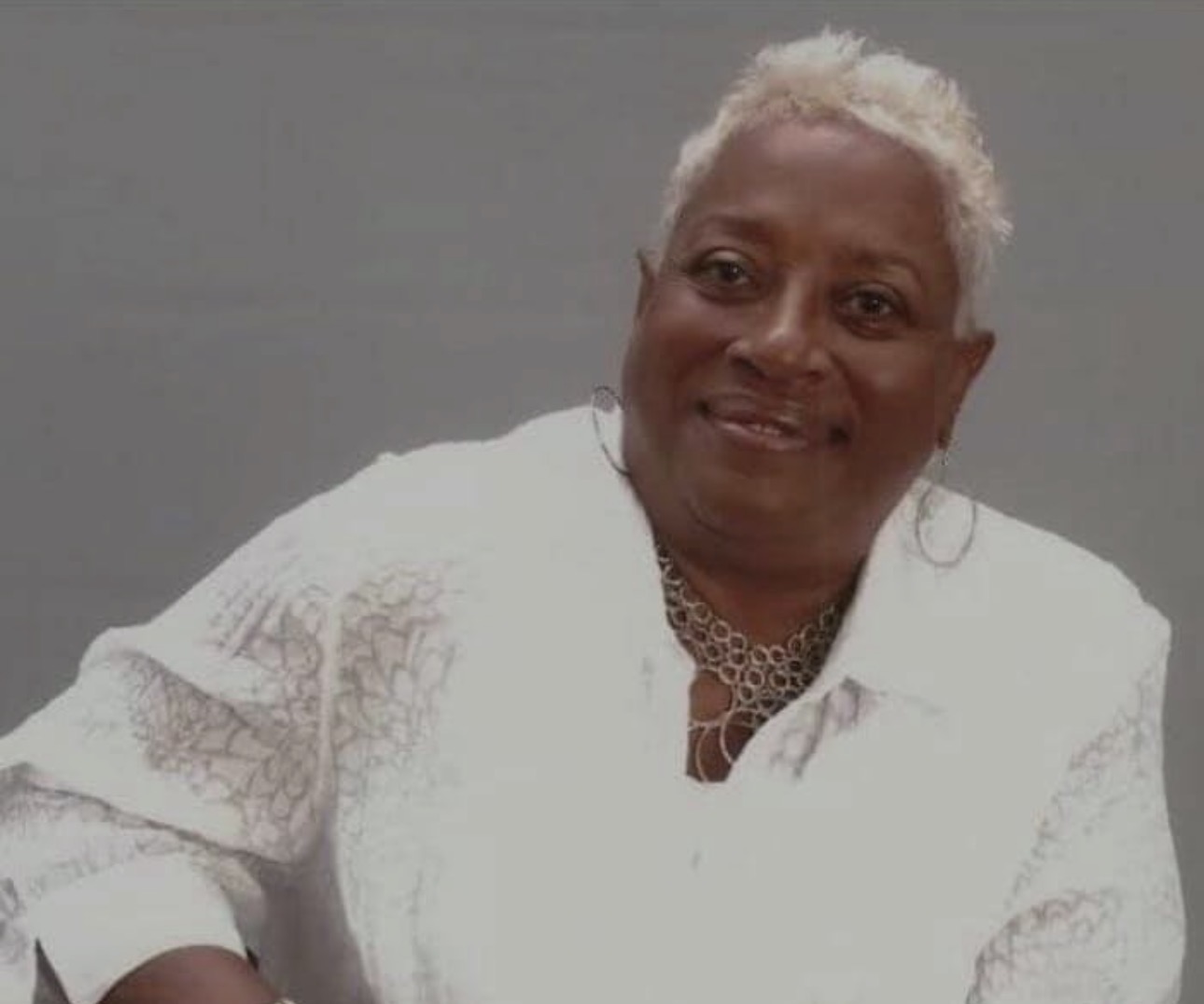
Virgie Banks
President of the Democratic Women of Shelby County. Tireless community activist and political organizer.
Historical Legacy
Virgie Banks served as President of the Democratic Women of Shelby County and was a co-founder of C.O.P.P.E.R. (Coalition for the Organizational Protection of People and Equal Rights). She dedicated her life to political engagement, community organizing, and standing alongside working people in their fights for justice.
Casel Jones
Labor Leader & United Way Labor Liaison
Memphis Labor Council & United Way of the Mid-South
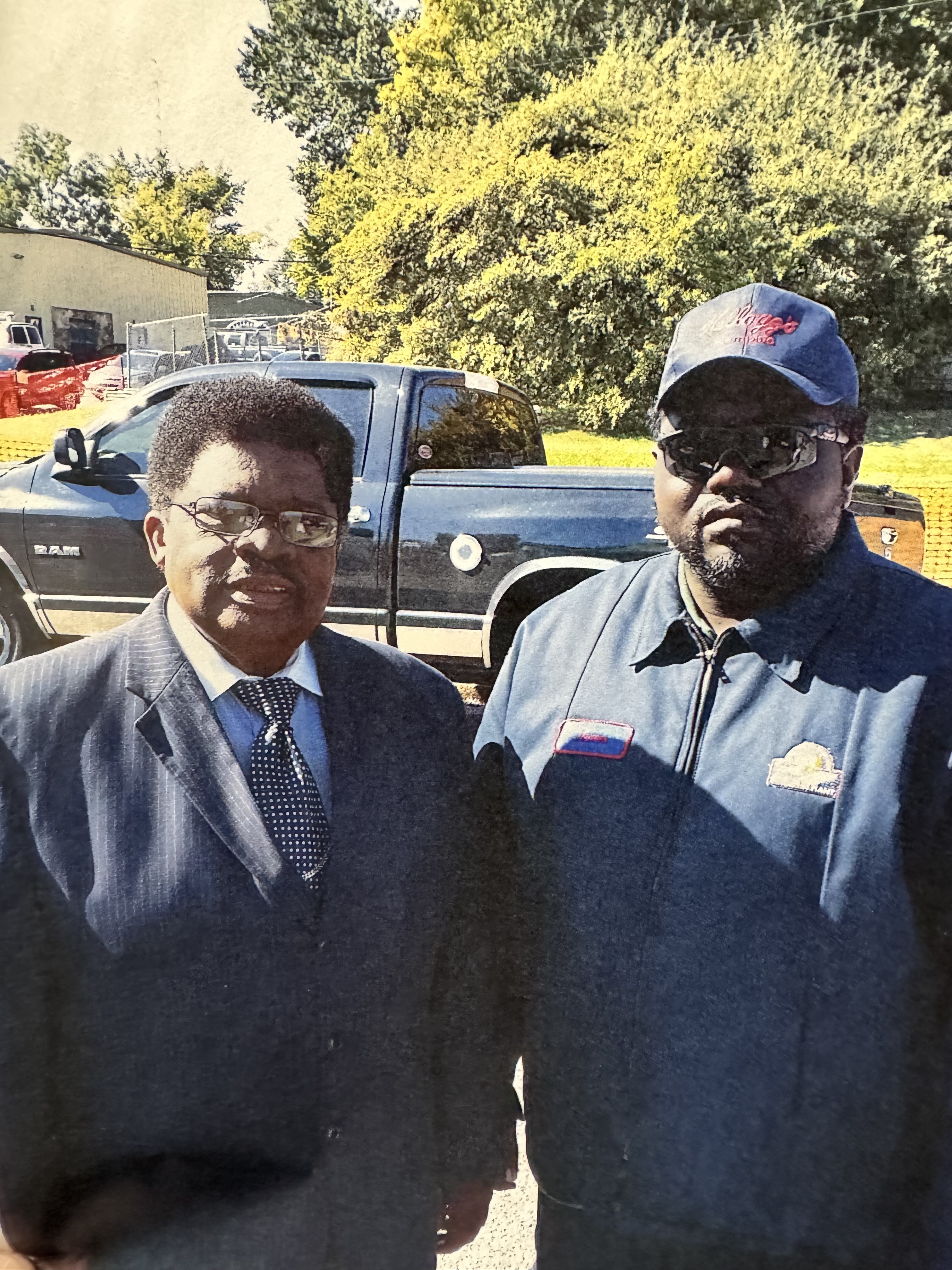
Casel Jones & Kevin Bradshaw on the Kellogg's lockout picket line
Labor Liaison for United Way of the Mid-South. Former Memphis Labor Council staff. Retired member of the United Steelworkers.
Historical Legacy
Casel Jones was a retired member of URW (United Rubber Workers) Local 186 at Firestone, which later merged with the United Steelworkers. After both International Harvester and Firestone closed in Memphis — eliminating jobs that impacted countless families — he went to work for the Memphis Labor Council and became the Labor Liaison for United Way of the Mid-South. He was a co-founder of C.O.P.P.E.R. and dedicated his life to connecting labor with community service.
David Dortch
Union President & Labor Leader
1952 – 2018
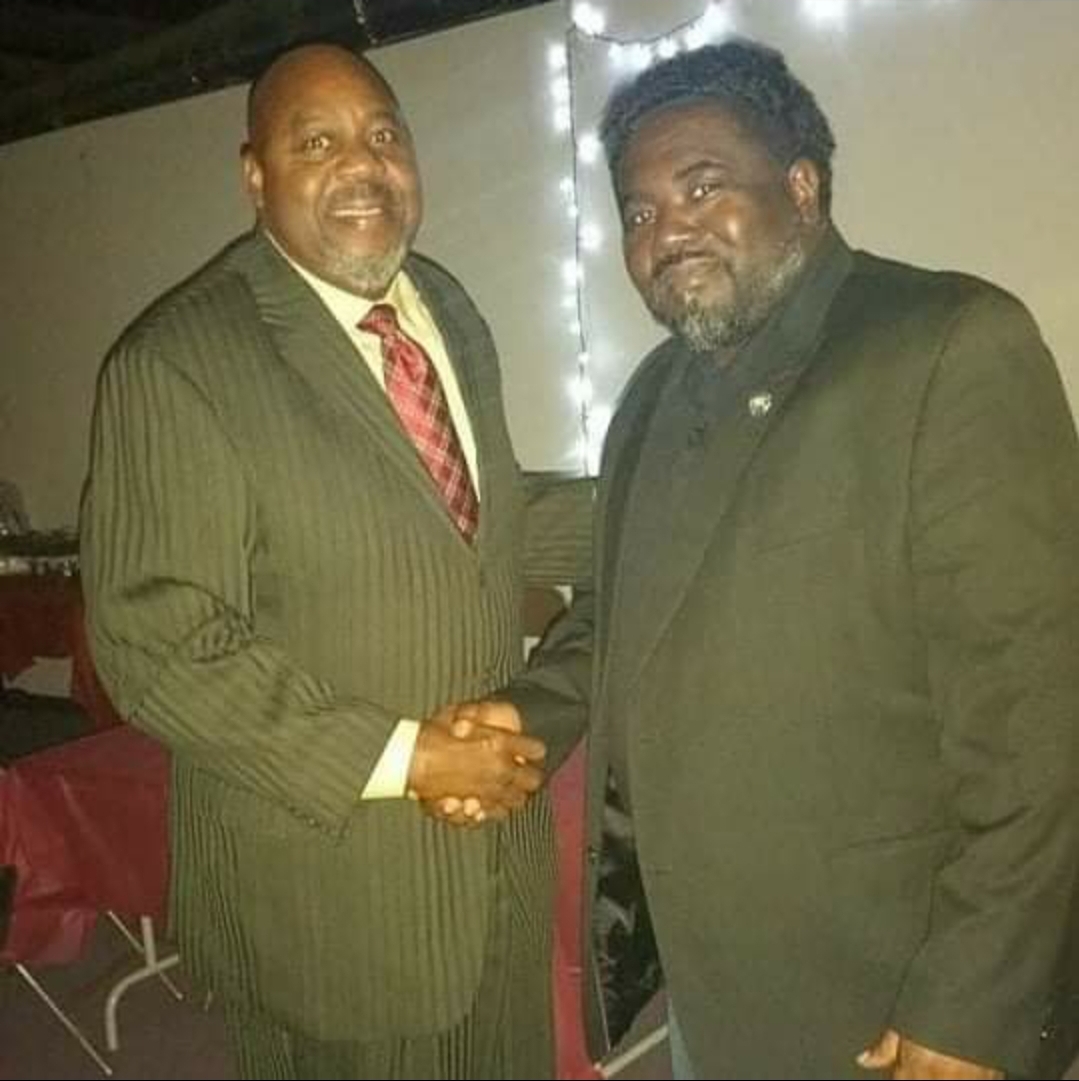
David Dortch & Kevin Bradshaw
President of OCAW, PACE & USW Local 9-771. Retired chemical reactor operator. Lifelong union leader.
Historical Legacy
David Dortch served as president of multiple union locals — the Oil, Chemical and Atomic Workers (OCAW), the Paper, Allied-Industrial, Chemical and Energy Workers (PACE), and the United Steelworkers (USW) Local 9-771. He held significant responsibility within organized labor in the Memphis area and was a co-founder of C.O.P.P.E.R.
And so many others whose names may not be written here — but whose impact lives on.
We stand on their shoulders — and we carry their fight forward.
About the Author
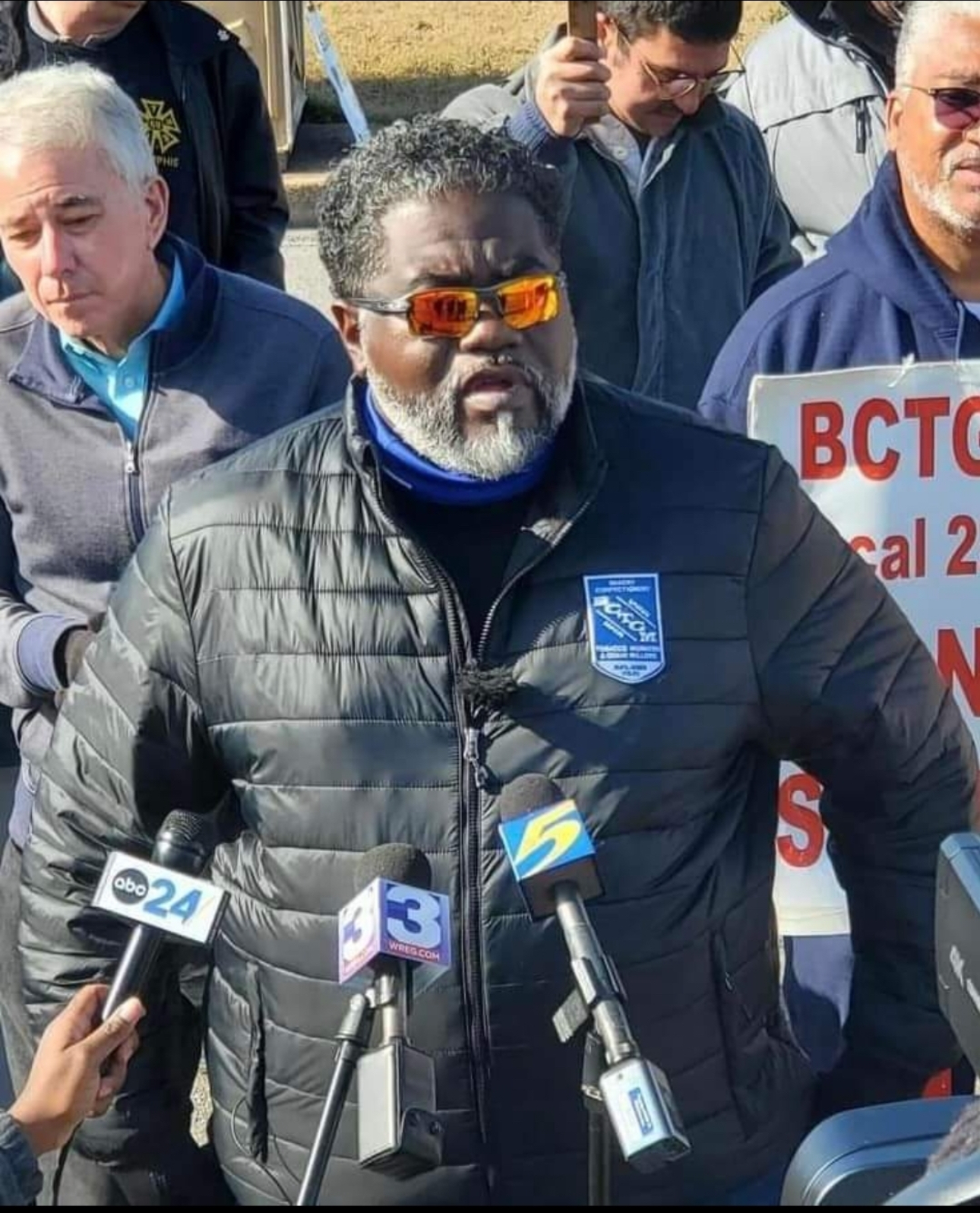
Kevin Bradshaw, BCTGM Local 252G President, addressing Memphis media
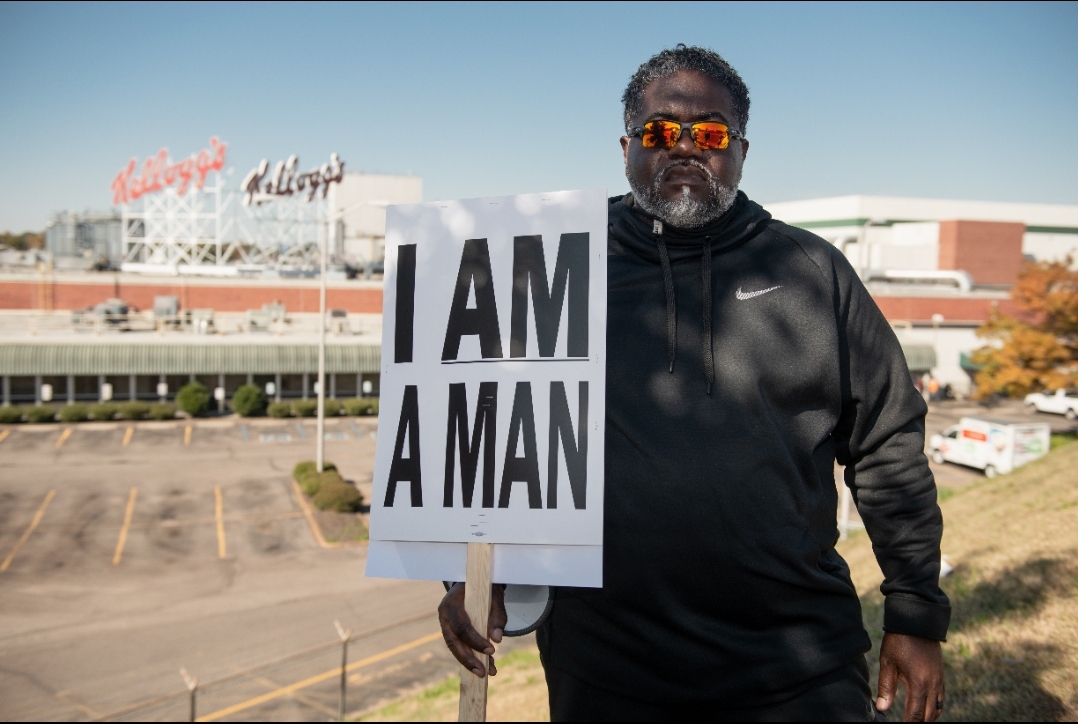
Kevin Bradshaw on the strike line — carrying the legacy forward
Kevin Bradshaw is a Memphis-based labor leader, organizer, and advocate for workers' rights. He has worked extensively with unions and community organizations across the Mid-South, helping to advance worker protections, labor education, and collective bargaining rights. His work bridges traditional labor organizing with modern tools — empowering workers with knowledge, resources, and a unified voice.
Foreword
Memphis, Tennessee, stands as one of the most important cities in the history of the American labor movement. From the fight for dignity in 1968 to today's battles for fair wages, union recognition, and worker justice, Memphis workers have continuously stood on the frontlines.
This book documents the major labor strikes, the leaders behind them, their goals, and the victories that shaped Memphis and the nation.
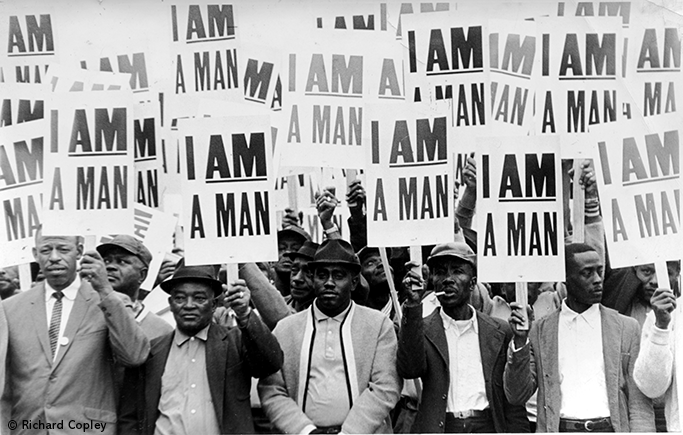
Memphis has always been a city where the fight for justice shows itself clearly. From the sanitation workers who declared "I AM A MAN" to today's workers demanding fairness and respect — the fight continues.
“May we build with hands strengthened by solidarity, sit at tables shaped by the dignity of our labor, and leave every generation of workers more power and a greater share of what they create.”
— Kevin Bradshaw
Table of Contents

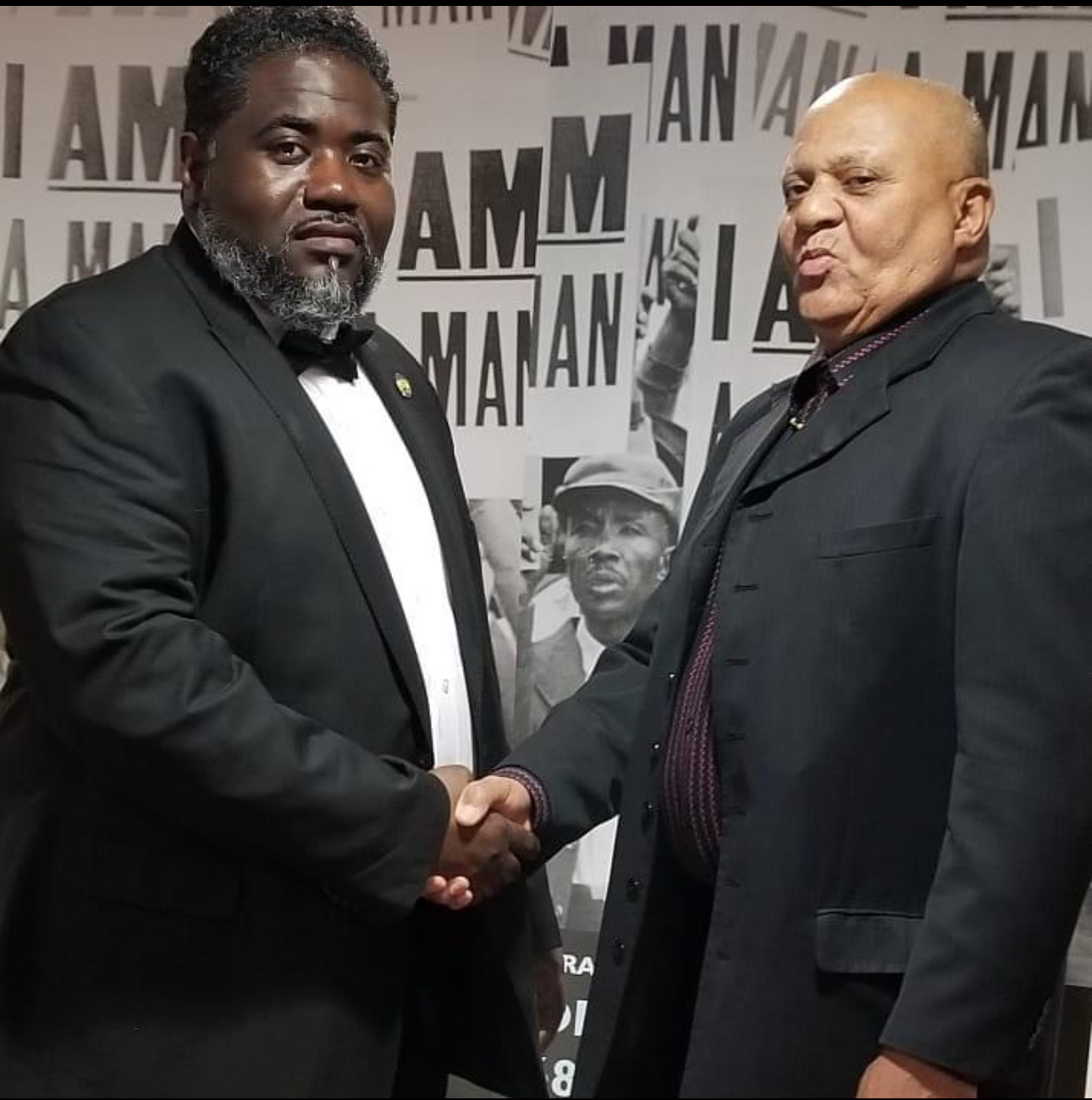
Kevin Bradshaw & Jesse Jones — son of T.O. Jones, President of the 1968 Sanitation Strikers — in front of the "I AM A MAN" memorial
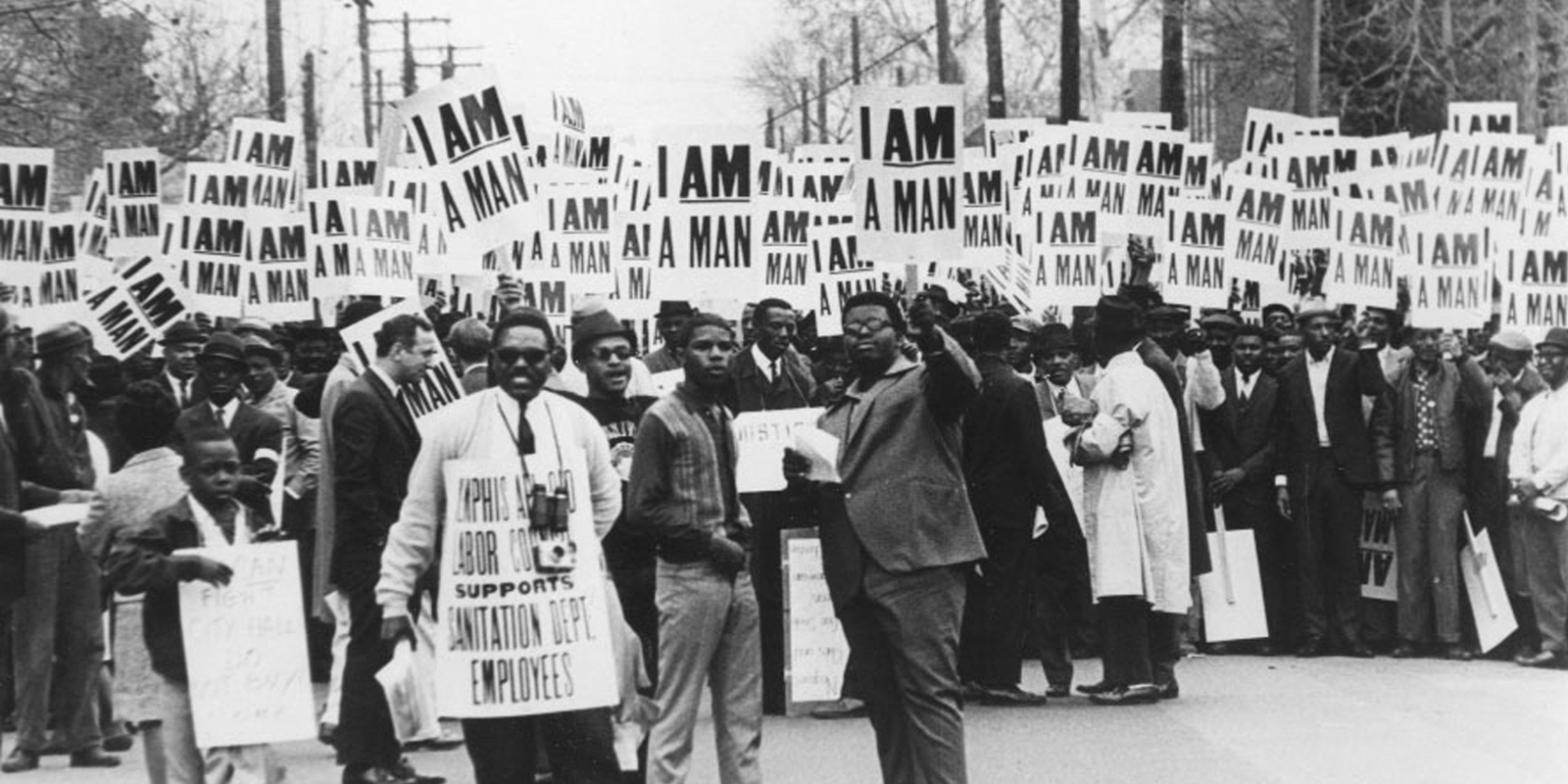
Read: Cohen Honors Jones with Certificate of Special Congressional RecognitionThe 1968 Memphis Sanitation Workers' Strike is the foundation of modern labor rights in Memphis — and one of the most important labor events in American history.
Over 1,300 Black sanitation workers walked off the job after years of dangerous working conditions, poverty wages, and a total lack of respect. The immediate trigger was the deaths of Echol Cole and Robert Walker, who were crushed to death by a malfunctioning garbage truck — an incident that exposed the deadly reality workers faced every day.
The strike lasted 65 days, drawing national attention and ultimately bringing Dr. Martin Luther King Jr. to Memphis. His assassination on April 4, 1968, while supporting the strikers, transformed the struggle into a landmark moment connecting the labor movement with the civil rights movement forever.
Key Leaders
- T. O. Jones — Strike leader and organizer
- Dr. Martin Luther King Jr. — National voice who elevated the struggle
- James Lawson — Strategic organizer of nonviolent protest
- William Lucy — National union support and the "I AM A MAN" message
Goals
- Union recognition (AFSCME Local 1733)
- Safer working conditions
- Fair wages and overtime pay
- Dignity and respect on the job
Accomplishments
- Union recognition achieved
- Wage increases and improved safety standards
- National attention linking labor rights with civil rights
- Sparked broader labor organizing across the United States
Recommended Reading
1968: Municipal Workers, Martin Luther King, Jr., and the Poor People's CampaignSource: UE Union (United Electrical Workers)
This detailed account documents how the sanitation workers maintained daily noontime meetings at the URW Local 186 hall at Firestone — the same local where C.O.P.P.E.R. co-founder Casel Jones was a member — and marched downtown carrying the iconic "I AM A MAN" placards. The article covers the full timeline from the deaths of Echol Cole and Robert Walker through Dr. King's assassination and the eventual victory of AFSCME Local 1733.
"Workers united can change systems rooted in inequality."
After the victory of 1968, Memphis saw a steady rise in organized labor among city workers. The success of the sanitation strike inspired public sector employees across departments to organize, negotiate contracts, and demand fair treatment.
This era institutionalized the gains of 1968. Unions expanded into city government, education, and public services. Workers gained formal collective bargaining rights, grievance procedures, job security, and benefits including pensions and healthcare.
Leaders like William Lucy continued to mentor the next generation, while local AFSCME organizers fought contract battles with the City of Memphis to protect worker interests and expand union membership.
The Founding of CBTU — A Voice for Black Workers
Led by: William "Bill" Lucy, Nelson Edwards, William Simons, Charles Hayes, Cleveland Robinson
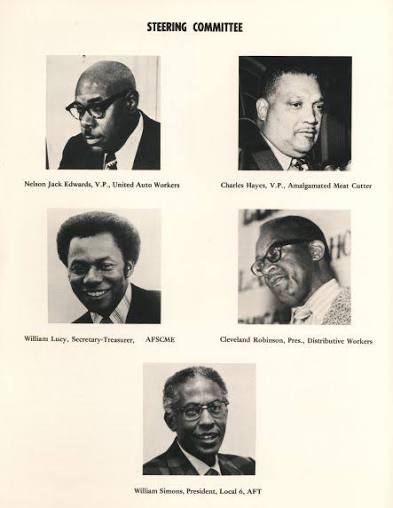
CBTU Steering Committee — Nelson Jack Edwards (V.P., United Auto Workers), Charles Hayes (V.P., Amalgamated Meat Cutters), William Lucy (Secretary-Treasurer, AFSCME), Cleveland Robinson (Pres., Distributive Workers) & William Simons (President, Local 6, AFT)
In September 1972, over 1,200 Black union officials and rank-and-file members from 37 national and international unions gathered at the LaSalle Hotel in Chicago — the largest assembly of Black trade unionists in U.S. labor history. Out of that gathering, William Lucy and four other founding leaders created the Coalition of Black Trade Unionists (CBTU). They founded CBTU because Black workers were being ignored within the labor movement. AFL-CIO President George Meany had refused to address the concerns of Black trade unionists and remained neutral in the 1972 presidential election — even as Richard Nixon's policies drove up unemployment, froze wages, and appointed Supreme Court justices hostile to workers' and minorities' rights. Lucy and the founders said enough. CBTU was built to fight discrimination "within the house of labor," promote Black leadership in unions, bridge the gap between the labor movement and Black communities, and take on issues from women's rights to international human rights including the anti-apartheid movement. William Lucy served as CBTU's president for 40 years, from its founding until 2013.
Key Issues:
- Discrimination against Black workers within the labor movement
- Lack of Black leadership representation in unions
- AFL-CIO neutrality during the 1972 presidential election
- Policies harming workers and minorities under the Nixon administration
Outcome: CBTU became a permanent national force within the AFL-CIO, advocating for Black workers' rights, developing union leadership, and connecting the labor movement with civil rights for over 50 years.
Key Leaders
- William Lucy
- Nelson Edwards
- William Simons
- Charles Hayes
- Cleveland Robinson
- Local AFSCME and public sector union organizers
Goals
- Formal collective bargaining agreements
- Job security and protections
- Benefits, pensions, and healthcare
- Wage equity across departments
Accomplishments
- Expansion of union membership across public sector
- Stronger labor contracts with the city
- Institutionalization of grievance procedures
- Foundation laid for modern labor organizing
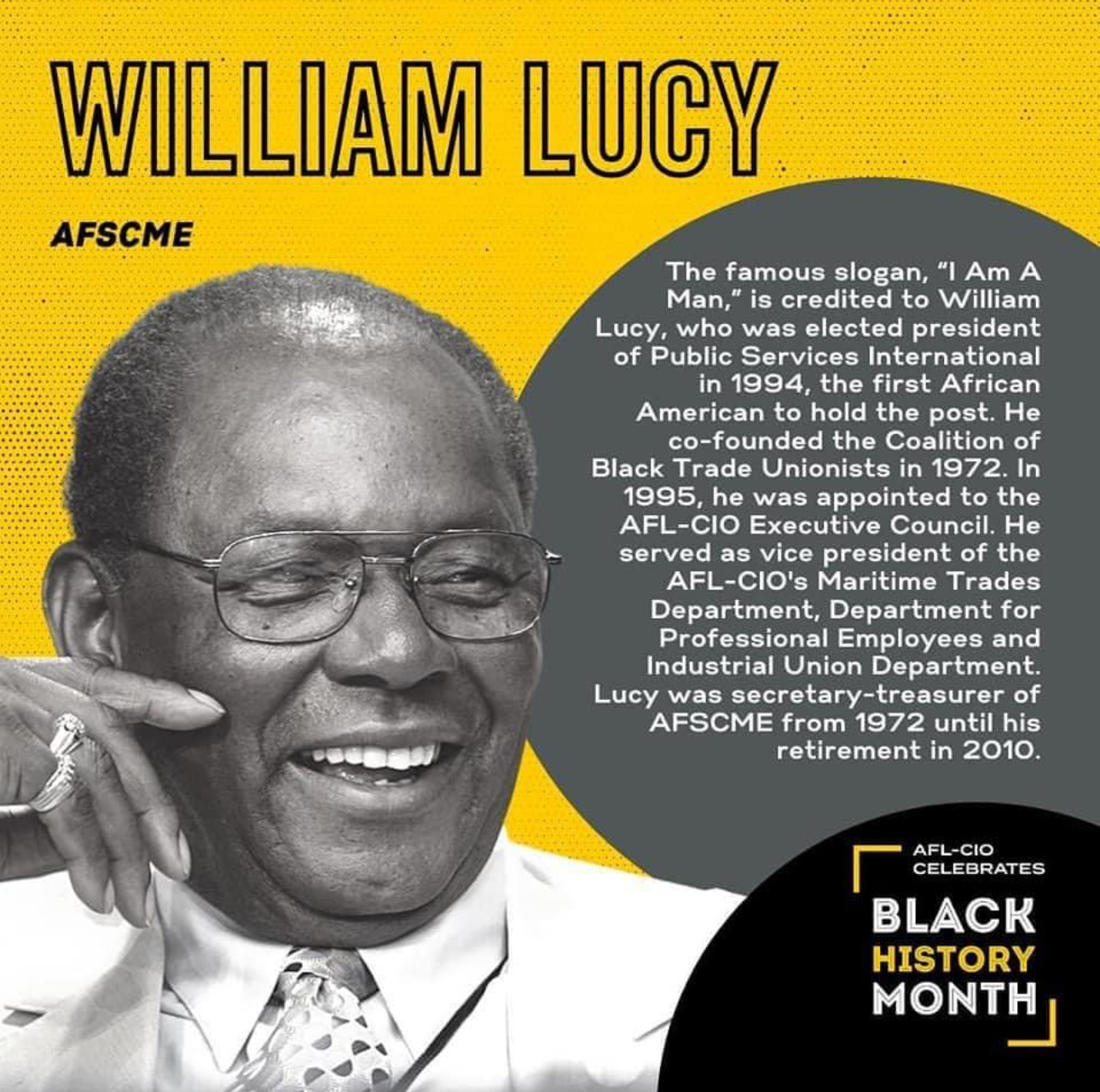
William "Bill" Lucy — AFSCME Secretary-Treasurer, CBTU Co-Founder, creator of "I AM A MAN"
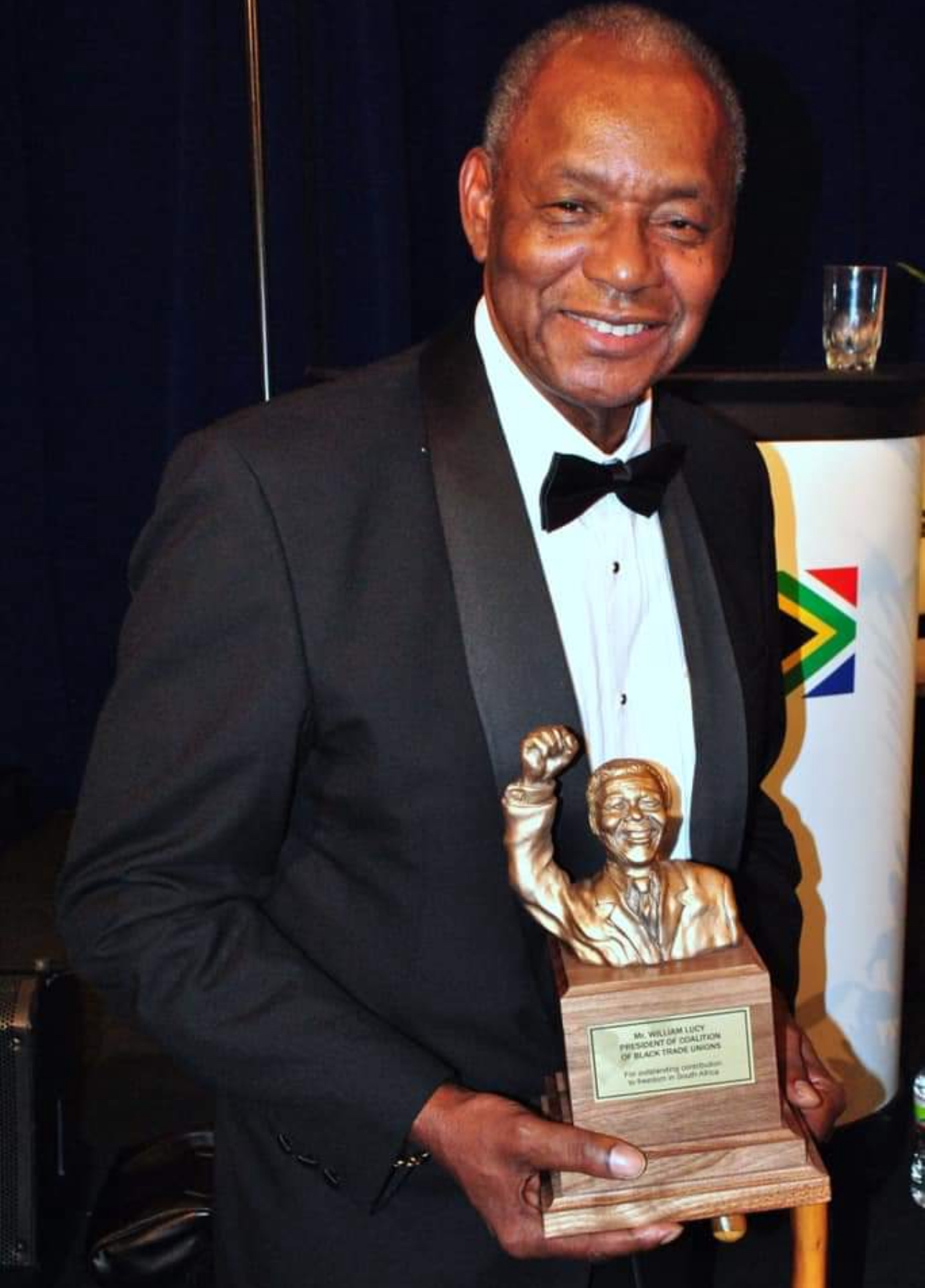
William Lucy receiving the Nelson Mandela Award — President, Coalition of Black Trade Unionists
No account of this era is complete without understanding who William "Bill" Lucy was — not just to the labor movement, but to the world.
Born in Memphis, Tennessee on November 26, 1933, William Lucy would become one of the most powerful and influential union leaders in history. He served as Secretary-Treasurer of AFSCME for nearly 40 years (1972–2010) — the highest-ranking African American in the entire labor movement. Under his leadership, AFSCME grew from 200,000 members to over 1.4 million members across 3,500 local unions nationwide.
But Lucy's legacy reaches far beyond union membership numbers. During the 1968 Memphis Sanitation Strike, it was Bill Lucy who created the iconic slogan "I AM A MAN" — four words that became the battle cry of a movement and changed the course of civil rights history forever.
In 1994, Lucy became the first African American elected President of Public Services International (PSI) — the world's largest union federation, overseeing 10 million members from over 100 nations. He served on the AFL-CIO's executive council, its highest decision-making body, and held vice president positions across multiple AFL-CIO departments.
Lucy was also a giant in the fight for international human rights. In the mid-1980s, he co-founded the Free South Africa Movement, launching a grassroots anti-apartheid campaign across the United States. After Nelson Mandela was released from prison, Lucy led the effort to bring him on a U.S. tour. He later served on the AFL-CIO delegation that monitored South Africa's first post-apartheid democratic elections — witnessing Mandela become the nation's first Black president.
Labor leaders called him "the conscience of the labor movement" for his unwavering commitment to civil rights, labor rights, and human rights across more than seven decades of service. William Lucy passed away on September 25, 2024, at age 90 — but the foundation he built lives on in every union hall, every picket line, and every worker who stands up and declares their dignity.
Lucy's influence also extended into presidential politics. In 2008, William Lucy used his position as a founding leader of the Coalition of Black Trade Unionists to secure one of the earliest and most critical endorsements for Barack Obama's presidential campaign. At a time when Obama was still considered a long-shot candidate, Lucy rallied the CBTU behind him — mobilizing Black union members and labor networks across the country. That early endorsement helped legitimize Obama's candidacy within the labor movement and the broader African American community, contributing to the coalition that would carry Obama to the White House as the first Black president of the United States.
Memphis gave the world William Lucy. And William Lucy gave the world a blueprint for how organized labor and the fight for justice are one and the same.
Labor in Memphis has always been involved in worker restoration beyond the picket line — whether it was fighting for voting rights, supporting job reentry programs for returning citizens, or standing alongside communities in their pursuit of dignity and opportunity. The labor movement understood early on that workers' rights don't begin and end at the workplace. They extend into every part of life — the ballot box, the courtroom, the classroom, and the community. That commitment to the whole person, the whole family, and the whole community is what makes Memphis labor different.
"Memphis gave the world William Lucy — and William Lucy gave the world a blueprint for how labor and justice are one and the same."
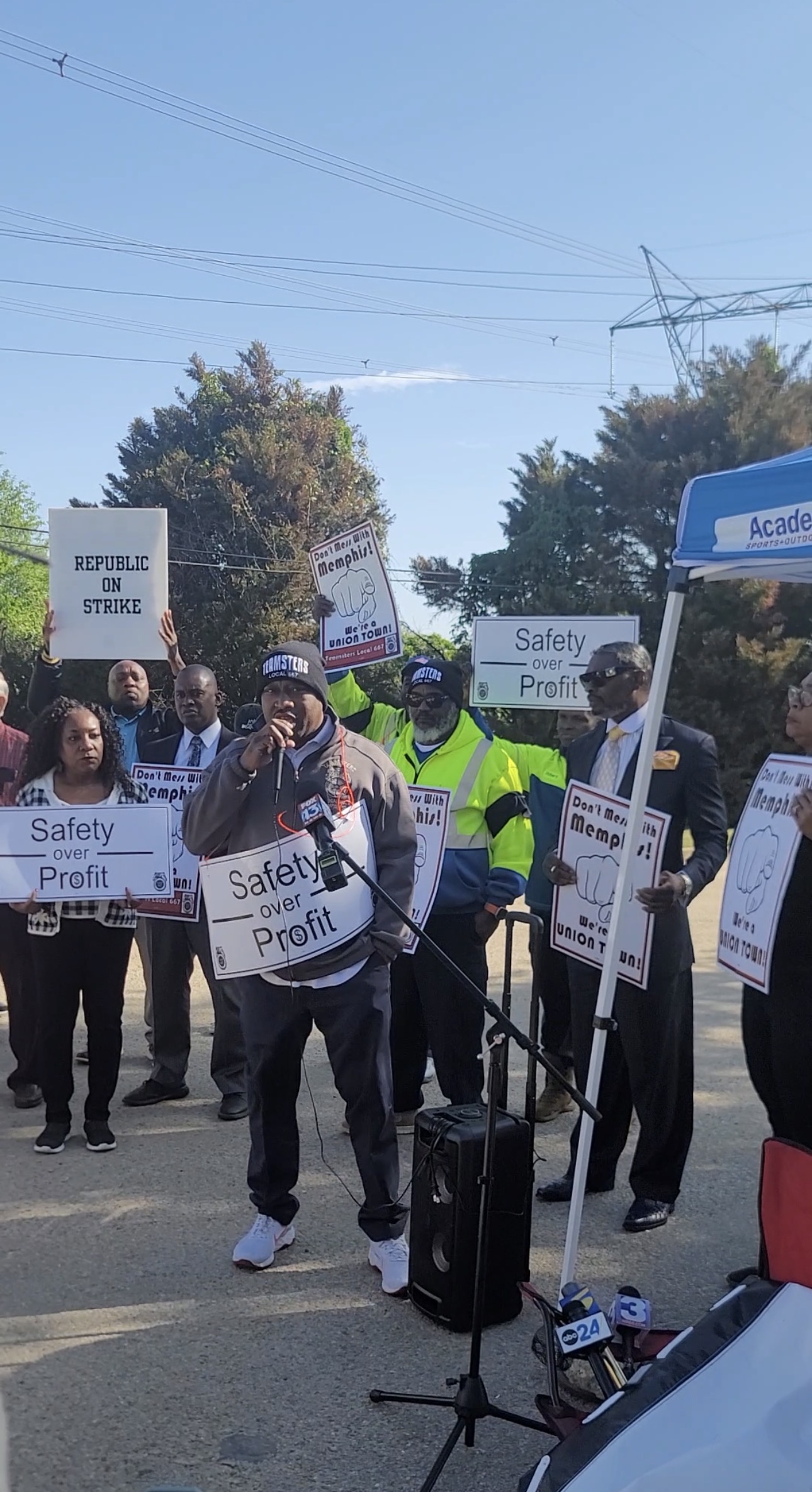
Teamsters Local 667 President James Jones at the Republic Services strike — "Safety Over Profit"
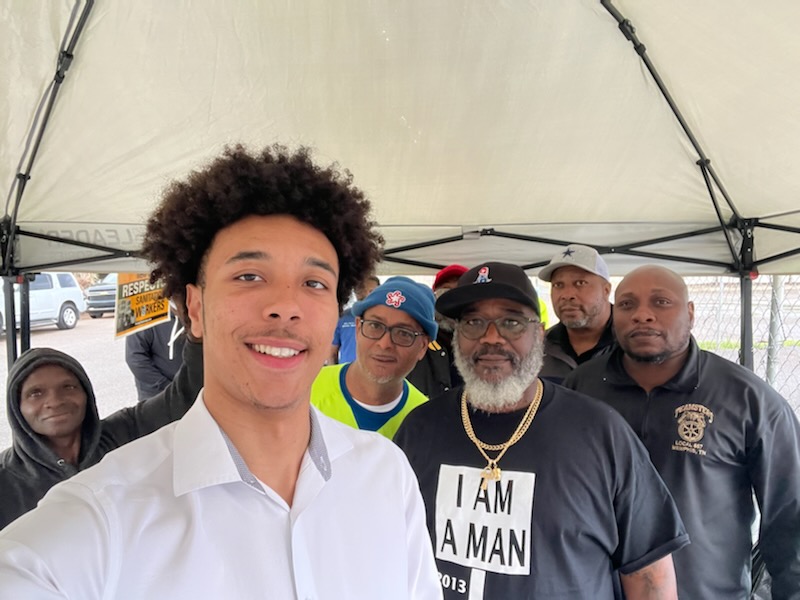
Richard Massey and Teamster members on the strike line
Memphis continues to be a center of labor resistance — and the struggles have expanded far beyond sanitation into every corner of the economy. From waste management to coffee shops, from telecom lines to factory floors, Memphis workers are still organizing, still fighting, and still winning.
Teamsters Local 667 vs. Republic Services
Led by: James Jones — President of Teamsters Local 667
Teamsters Local 667 workers engaged in strike actions against Republic Services over low wages, workplace safety concerns, lack of respect, and benefits issues. Workers organized picket lines across Memphis, held public demonstrations, and gained community support — echoing the spirit of 1968. The Republic Services strike proved that sanitation workers remain at the core of Memphis labor struggles.
Key Issues:
- Low wages compared to industry standards
- Workplace safety concerns
- Benefits and healthcare issues
- Lack of respect and fair treatment
Outcome: Elevated public awareness, strengthened solidarity among Teamsters members, and pressured corporate leadership to address worker concerns.
Starbucks Workers United
Led by: Starbucks Workers United organizers
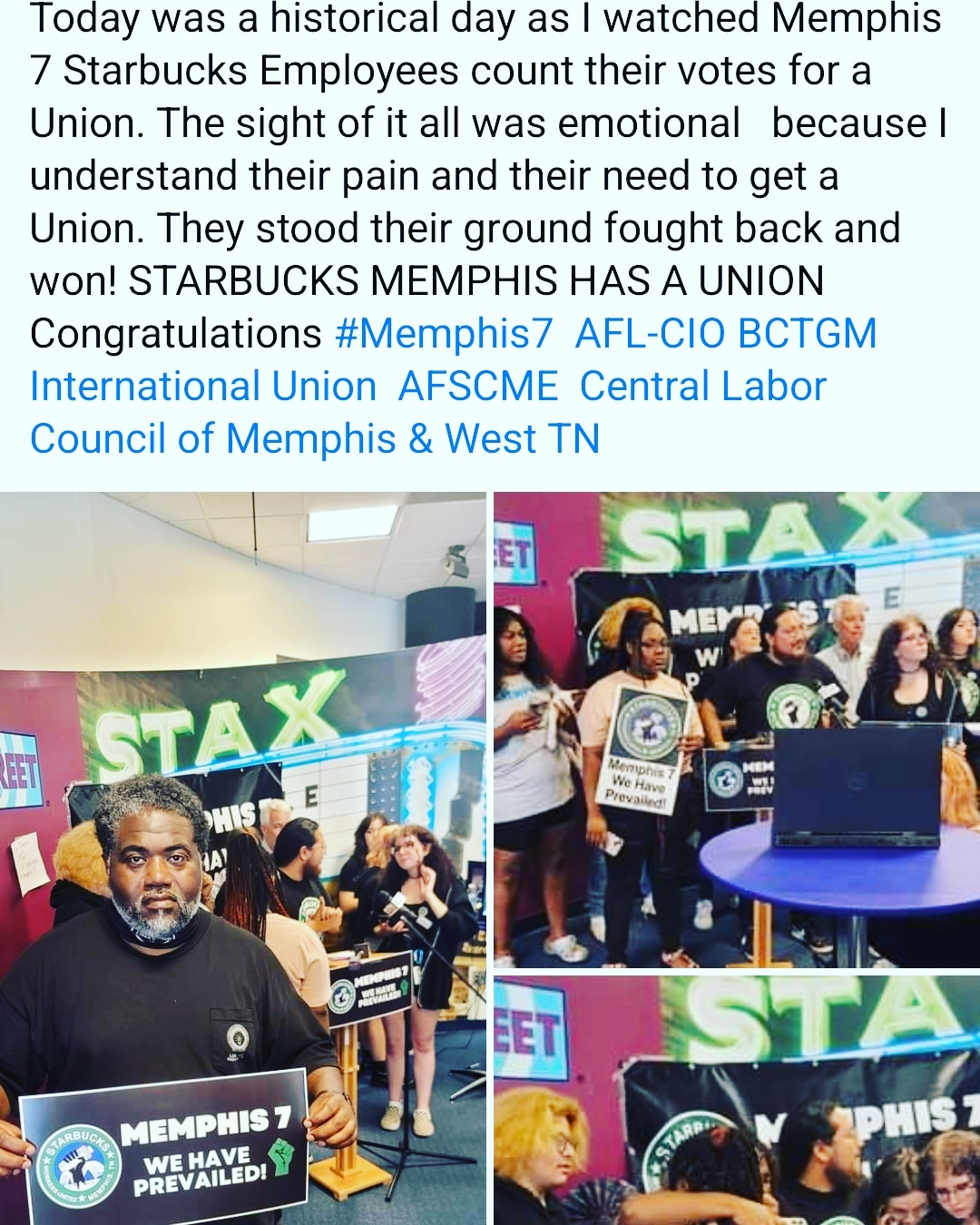
Memphis 7 — Starbucks Memphis Has A Union! "They stood their ground, fought back and won!"
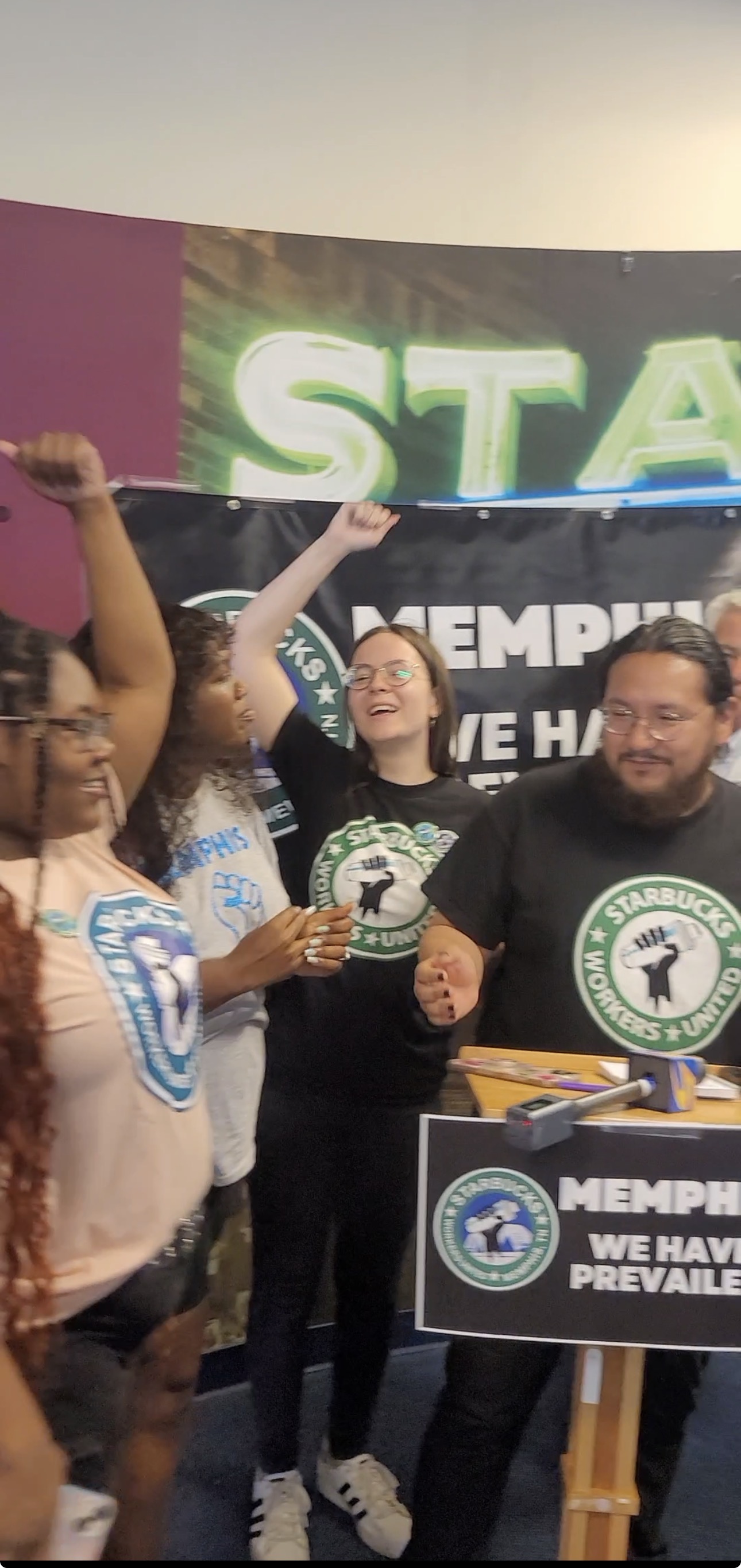
Memphis Starbucks workers celebrate as the vote passes for union rights
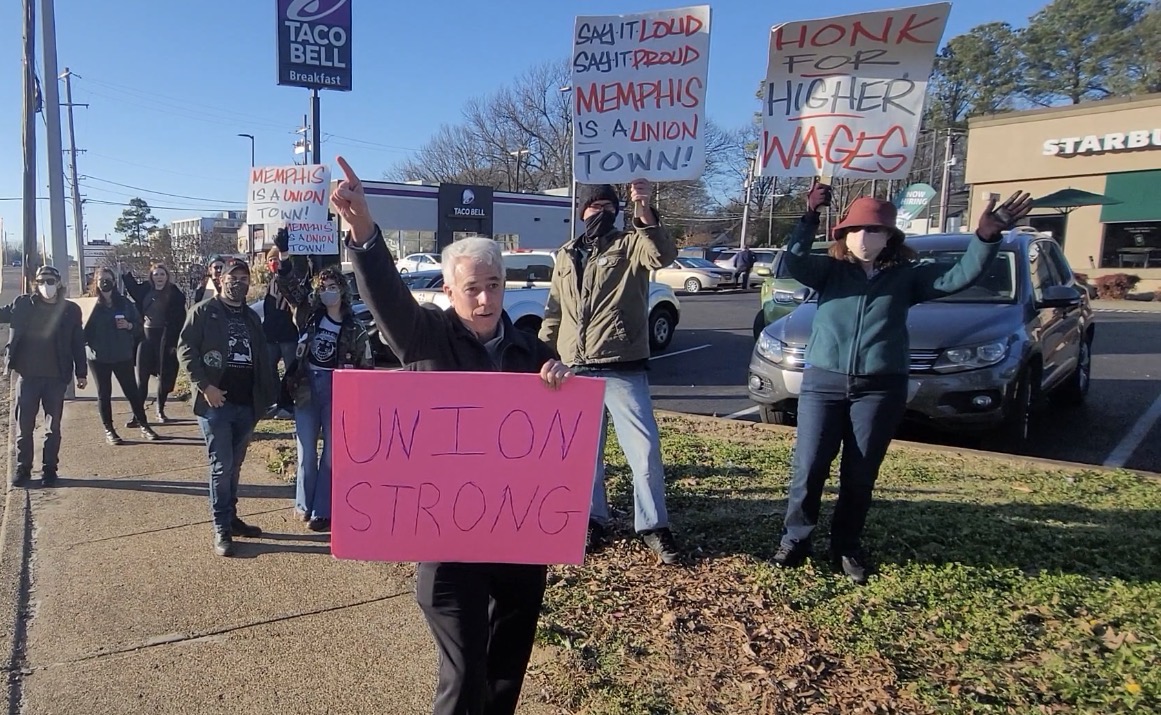
District Attorney Steve Mulroy supporting the strike line at Starbucks — Union Strong
The rise of unionization at Starbucks marked a major shift in labor organizing, especially among young workers in the service industry. Memphis locations became part of a national movement proving that unions are not just for industrial jobs — but for every worker.
Key Issues:
- Low wages despite high company profits
- Unpredictable scheduling
- Understaffing and workplace conditions
- Retaliation against organizers
Outcome: Inspired a new generation of workers to organize, expanded the labor movement into retail and service sectors, and built solidarity with traditional unions.
Fight for $15 — Memphis and the Nation
Led by: Keedran Franklin, Antonio Cathey, Dunetra Merritt, Jayanni Webster & Ashley Cathey — Memphis organizers and leaders
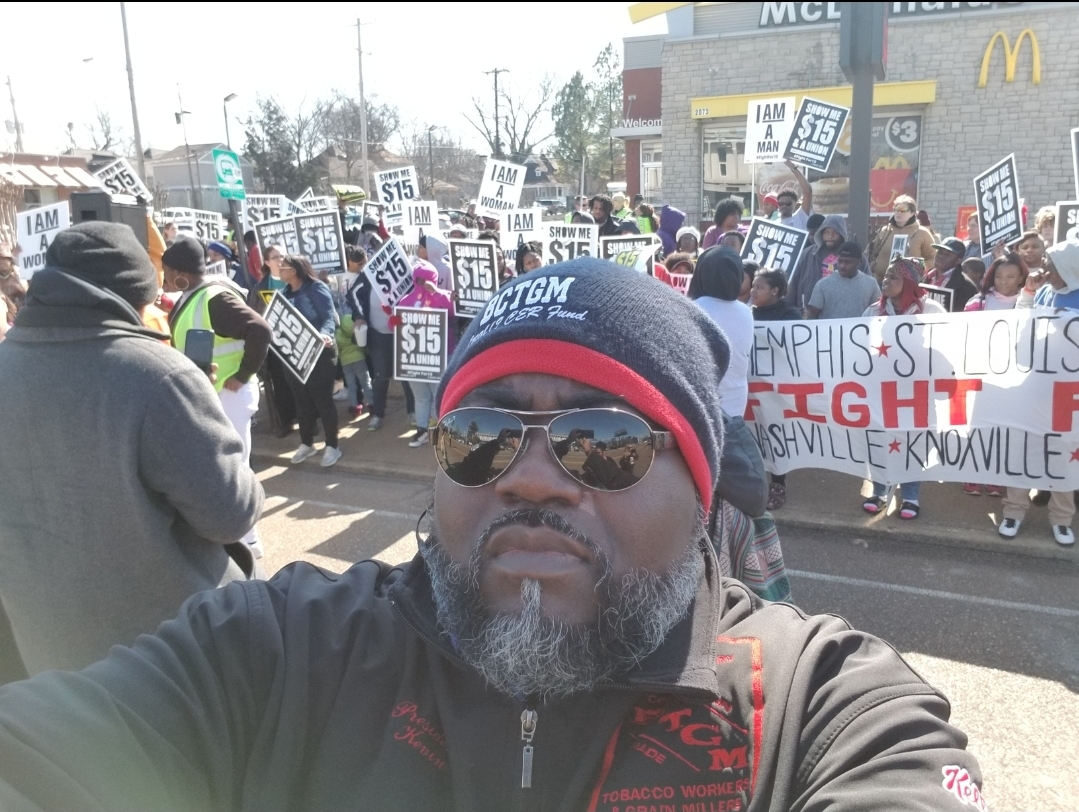
Kevin Bradshaw at the Fight for $15 march in Memphis — "Show Me $15 & A Union" — with workers from Memphis, St. Louis, Nashville & Knoxville
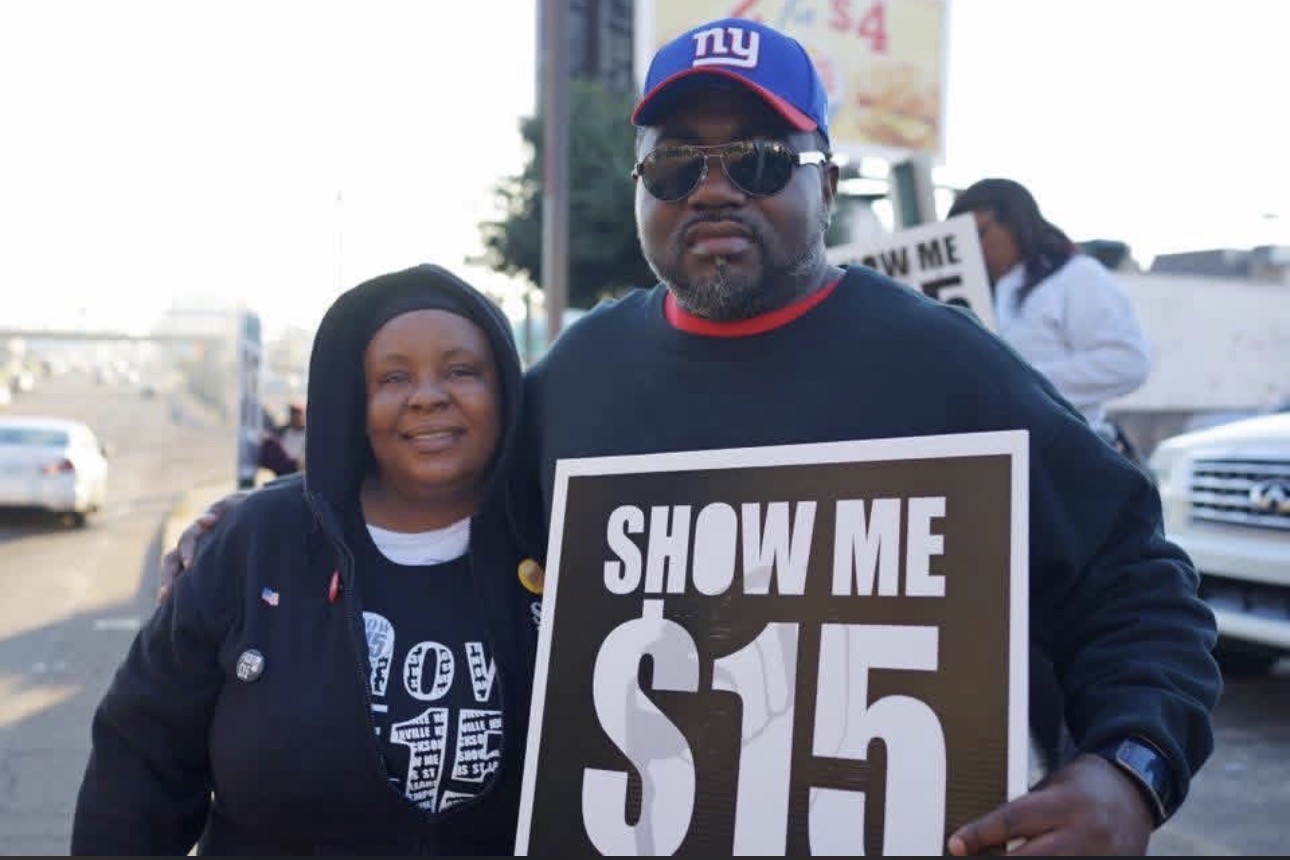
Dunetra Merritt — Fight for $15 Organizer/Leader — "Show Me $15"
In November 2012, 200 fast-food workers in New York City walked off the job demanding $15 an hour and union rights — the largest fast-food strike in U.S. history at the time. Within a year, the Fight for $15 had spread to over 150 cities and 30 countries. Memphis was at the heart of it. Memphis McDonald's worker Ashley Cathey became a national voice for the movement, declaring "We've gone global." But even more power came from young, brilliant, and energetic leaders like Keedran Franklin, Antonio Cathey, Ashley Cathey, Dunetra Merritt, and Jayanni Webster — organizers who had the rare ability to bring people together with purpose. They connected the dots between the 1968 sanitation workers' fight for dignity and the modern fast-food workers' fight for a living wage. It was the same city, the same struggle, and a new generation carrying it forward. The movement was backed by SEIU and community organizations, and it didn't just demand higher wages — it demanded respect. By 2023, over 26 million workers across the country had won $150 billion in raises, and 29 states plus dozens of cities had raised their minimum wage to $15 or more. What started as an "unrealistic" demand became the standard.
Key Issues:
- Federal minimum wage frozen at $7.25/hour
- 64 million U.S. workers earning under $15/hour
- Disproportionate impact on Black and Latino communities
- Corporate retaliation against organizers
Outcome: Over 26 million workers gained raises totaling $150 billion. 29 states and dozens of cities raised wages to $15+. Sparked a new generation of labor organizing in service sectors and shifted the national conversation on wages and worker dignity.
AT&T Workers and CWA
Led by: Communications Workers of America (CWA) leadership
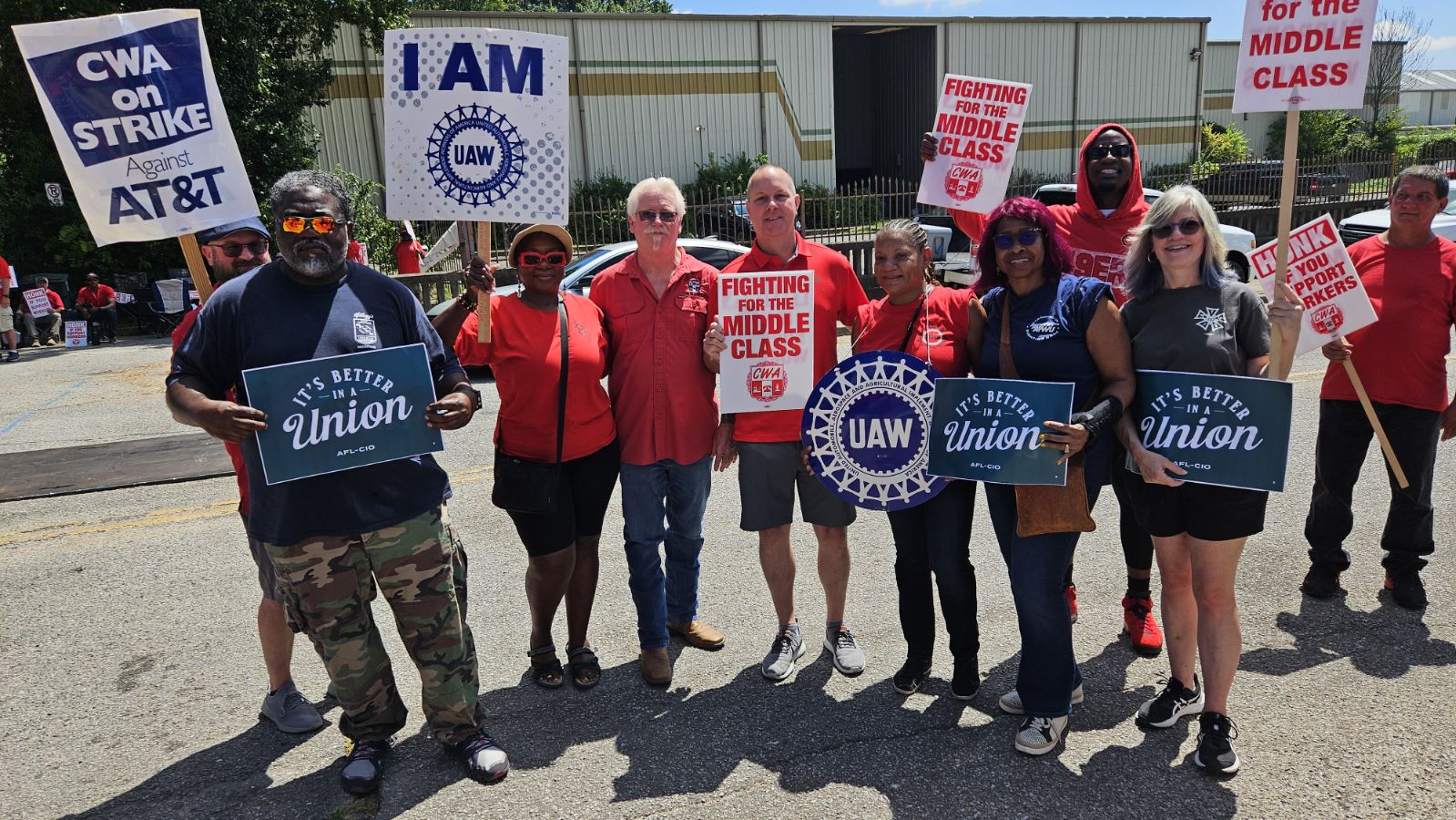
CWA on Strike Against AT&T — union solidarity on the picket line
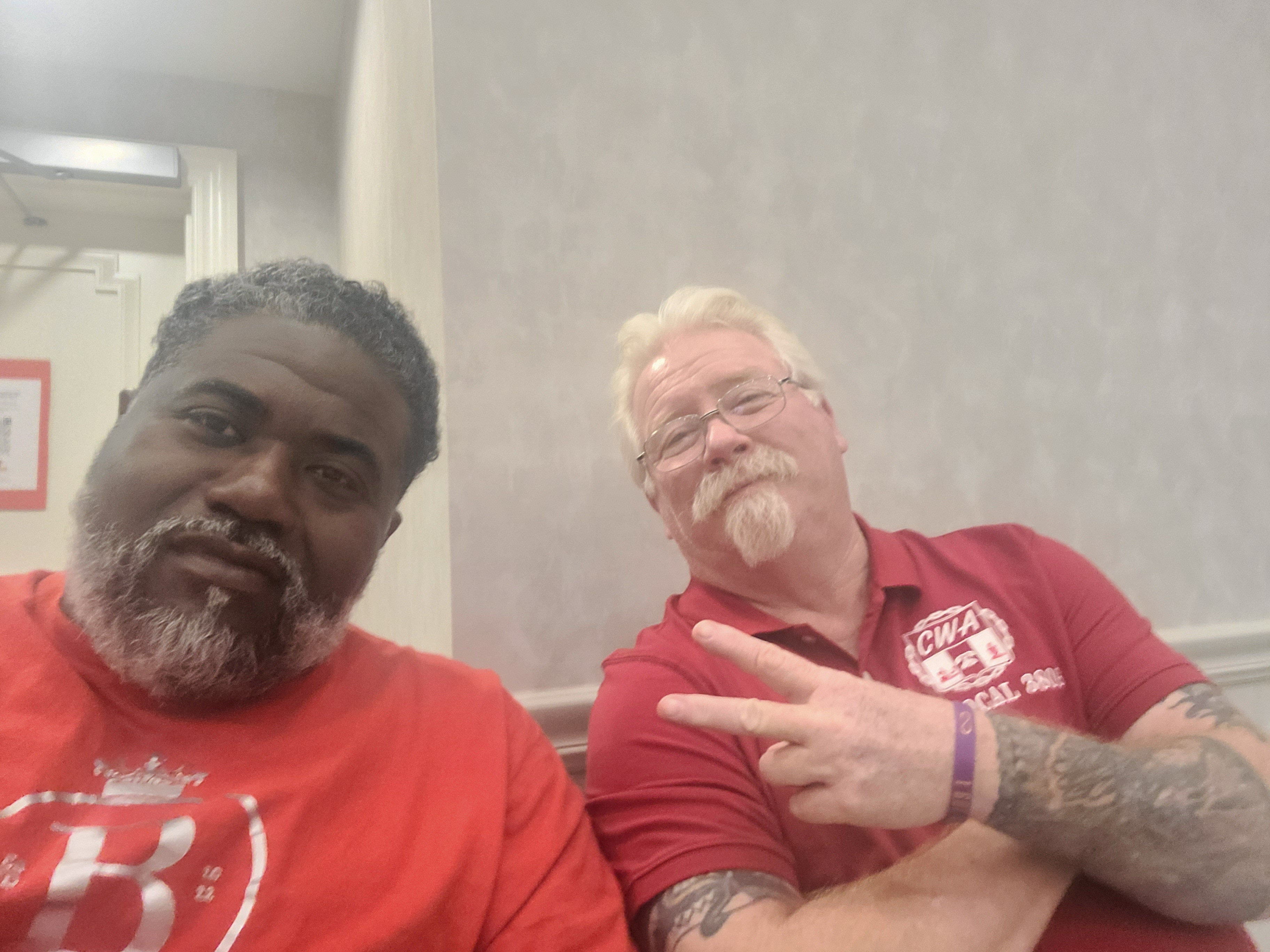
Kevin Bradshaw with CWA Local 3806 President Wayde Boswell
Workers at AT&T, represented by CWA, participated in strikes and labor actions affecting Memphis and the broader Southeast region. The fight highlighted the growing challenge of corporate outsourcing and globalization impacting local workers.
Key Issues:
- Outsourcing of jobs overseas
- Job security concerns
- Rising healthcare costs
- Fair wage demands
Outcome: National pressure campaigns led to contract improvements and increased public awareness of telecom labor issues.
UAW and General Motors
Led by: United Auto Workers (UAW) leadership
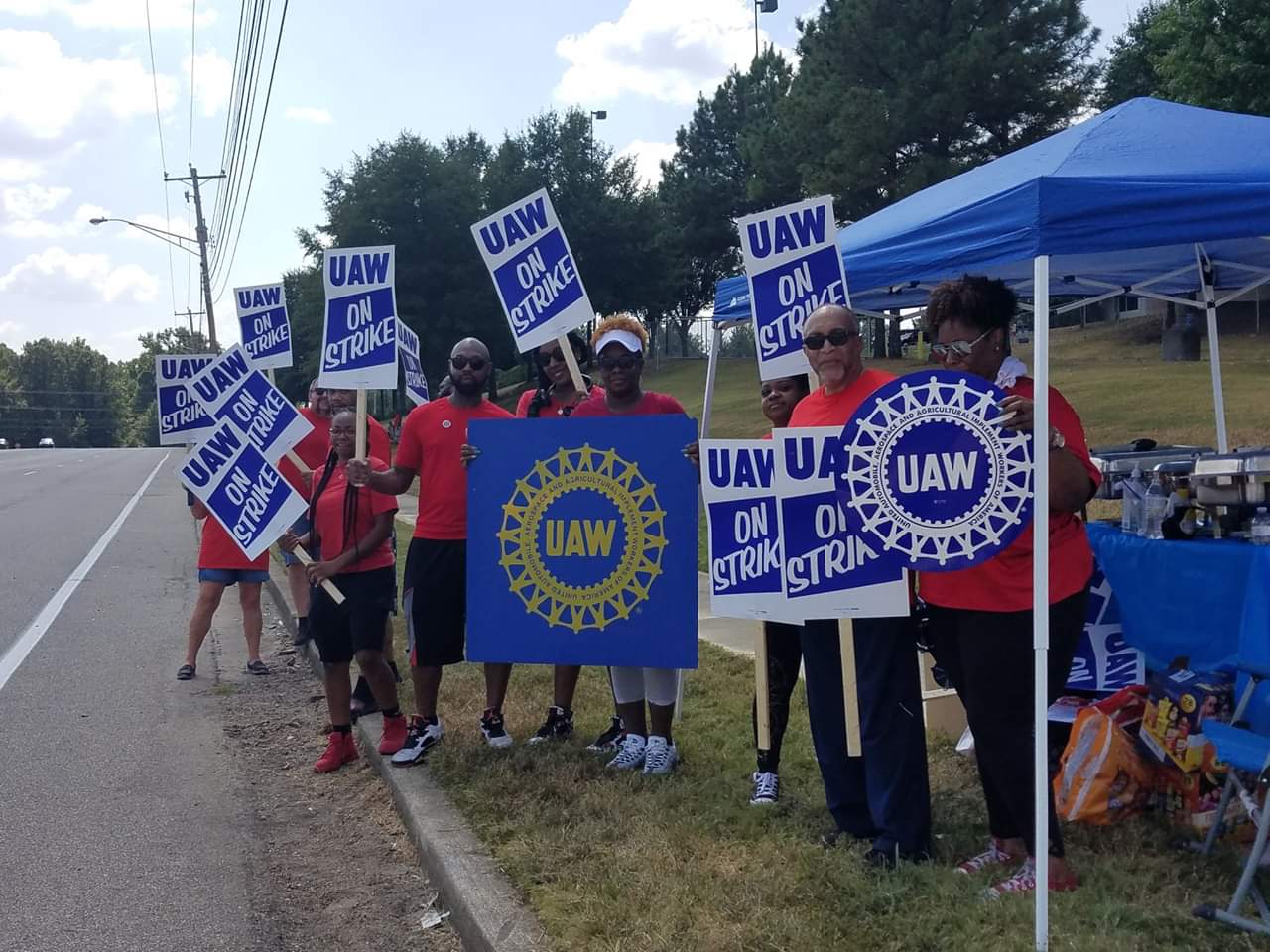
UAW On Strike — workers holding the line on the picket
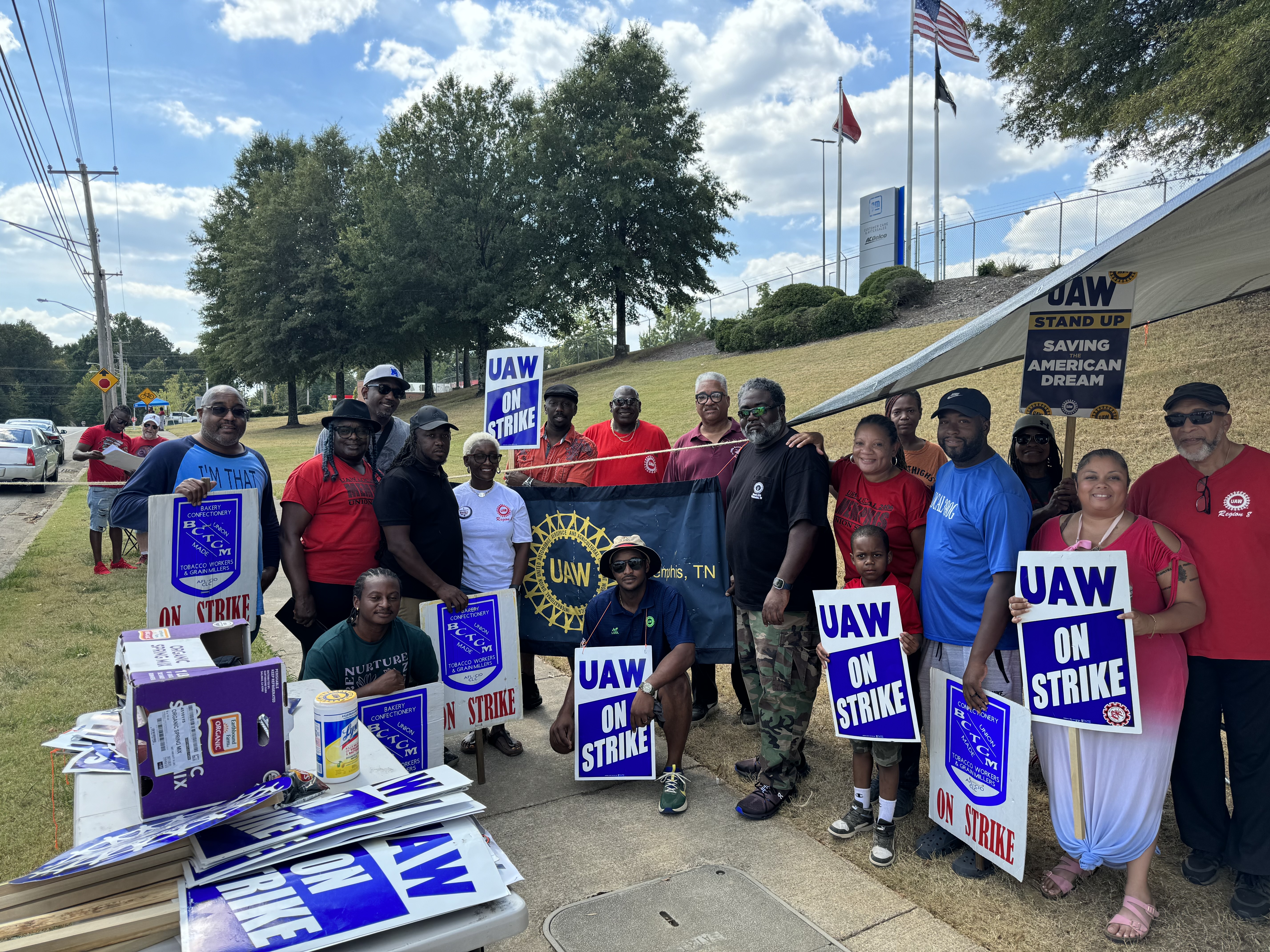
UAW On Strike — BCTGM and UAW members standing together on the GM picket line in Memphis
The UAW led major national strikes against General Motors with ripple effects impacting workers and supply chains connected to Memphis. The strikes showed the continued power of large-scale industrial unionism in shaping the American economy.
Key Issues:
- Wage tiers and inequality
- Temporary worker exploitation
- Job security in the automation era
- Plant closures
Outcome: Major national contract gains including wage increases, improved conditions, and set precedent for industrial labor fights.
IFF Workers and BCTGM — Memphis Manufacturing Fight
Led by: Bakery, Confectionery, Tobacco Workers and Grain Millers (BCTGM)
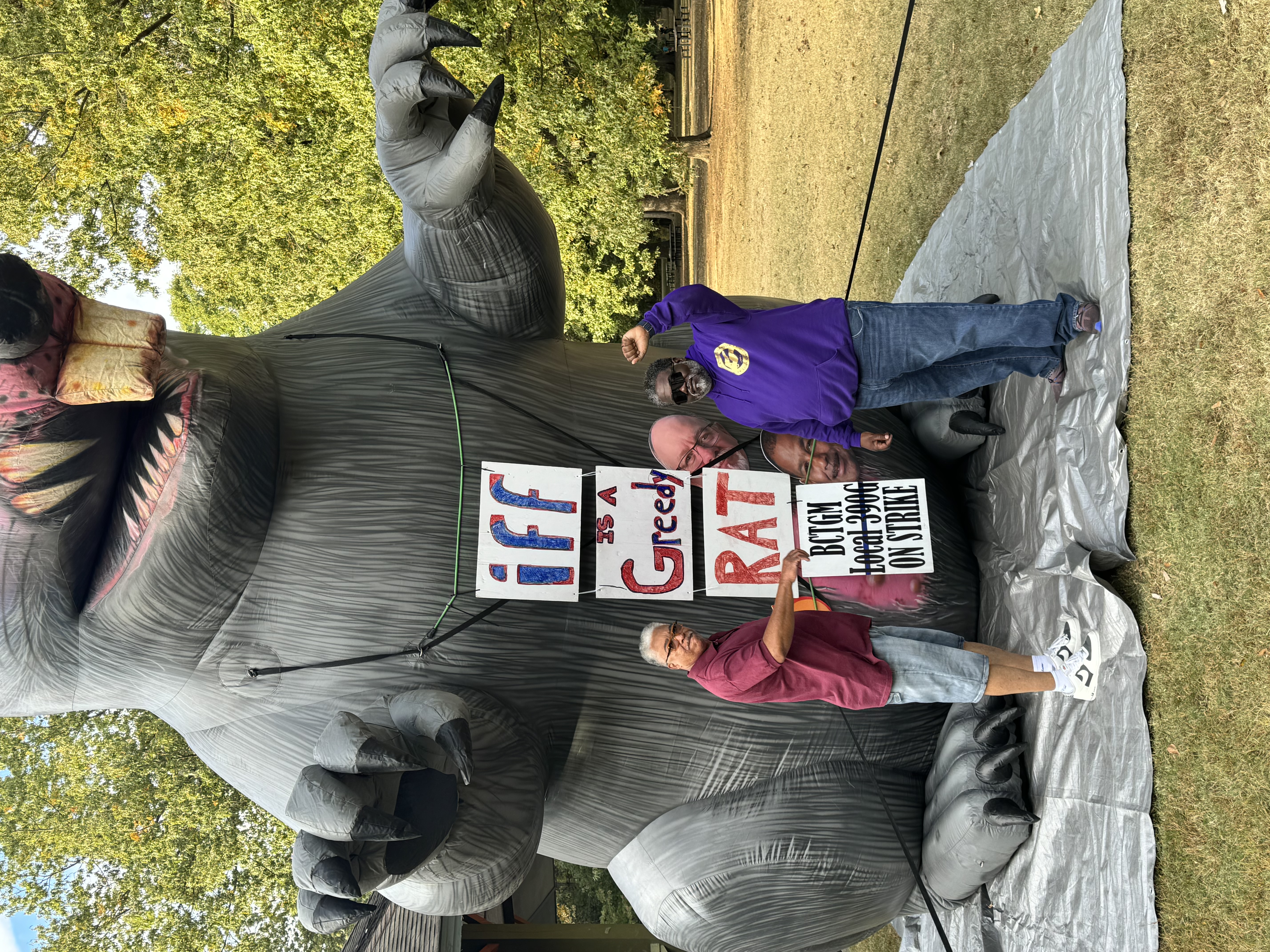
"IFF is a Greedy Rat" — BCTGM Local 390G On Strike
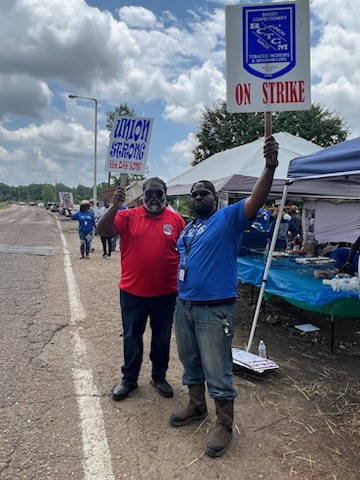
IFF workers on strike — Union Strong, All Day Long
Workers at International Flavors & Fragrances (IFF) in Memphis, represented by BCTGM, engaged in labor struggles over working conditions and contracts. This fight represents the backbone of Memphis labor — manufacturing workers standing strong through union power.
Key Issues:
- Wage fairness
- Healthcare costs
- Working conditions
- Scheduling and overtime
Outcome: Strengthened union solidarity, improved contract negotiations, and maintained BCTGM's presence in Memphis industry.
Workers Interfaith Network (W.I.N.) — Faith and Labor United
Led by: Led by Workers Interfaith Network, Memphis
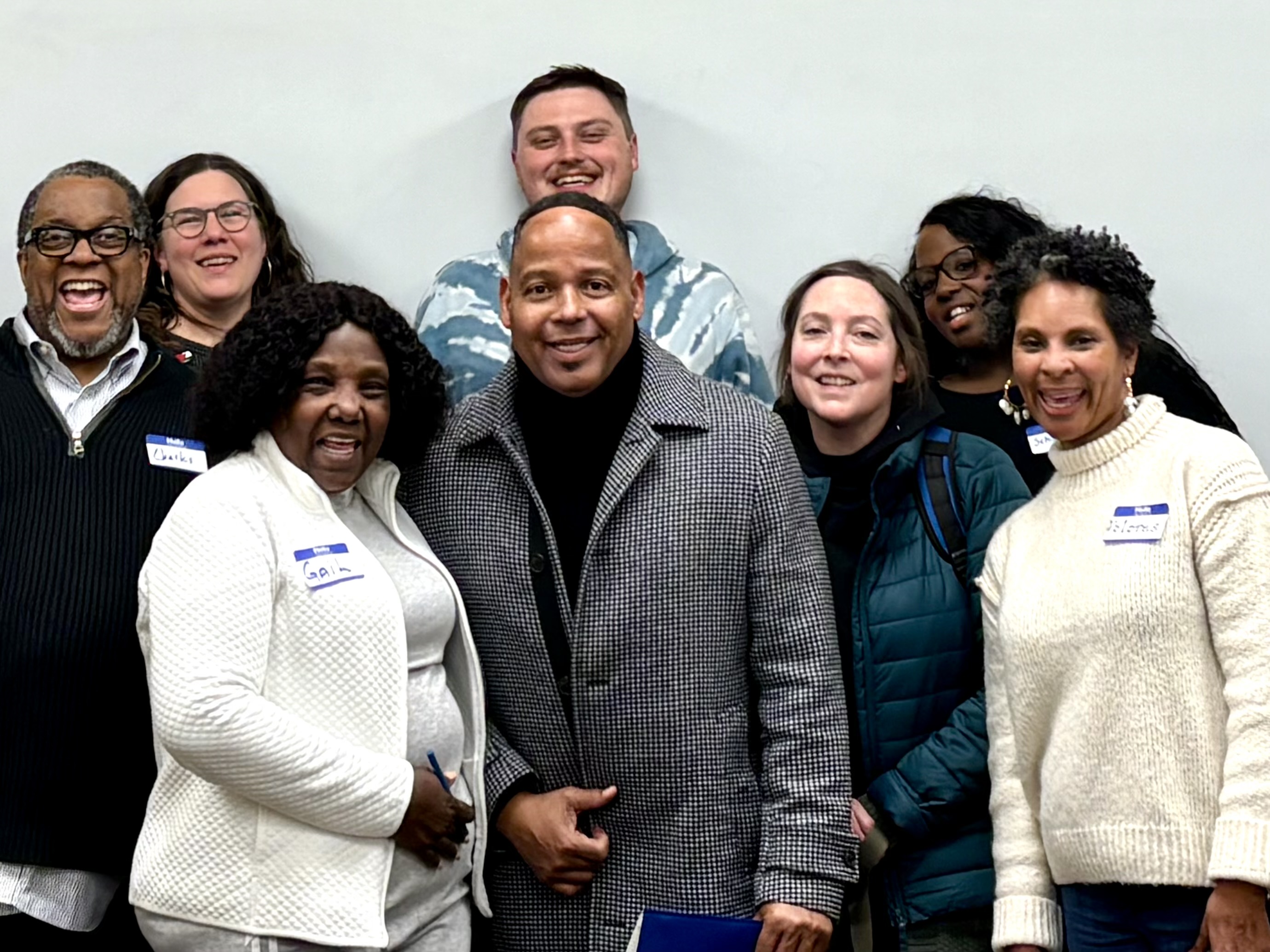
Workers Interfaith Network — faith, labor, and community leaders standing together in Memphis
In 2002, Memphis labor helped start the Workers Interfaith Network (W.I.N.) — a nonprofit that brought together faith communities, labor organizations, and low-wage workers to fight for workplace justice. W.I.N. operates the Memphis Workers' Center, where workers facing wage theft, discrimination, and unsafe conditions can find help and advocacy. In a city built on logistics, warehousing, hospitality, and service work, W.I.N. filled a critical gap — standing up for the workers who fell through the cracks, including undocumented workers who faced exploitation with no voice and no protection. Employers used threats of deportation to silence complaints about unpaid wages and dangerous conditions, and W.I.N. said not on our watch. After being absent for a few years, W.I.N. is back in business — and their mission is more important than ever. Labor in Memphis has always been at the front of this fight, because the movement was never just about union members. It was about every worker's right to dignity, fair pay, and a voice on the job.
Key Issues:
- Wage theft targeting low-wage and undocumented workers
- Employer retaliation and threats of deportation
- Unsafe working conditions in warehousing and logistics
- Lack of access to legal protections for vulnerable workers
Outcome: Created the Memphis Workers' Center, recovered stolen wages, connected faith and labor communities, and gave a voice to the most vulnerable workers in the Mid-South. Now back and rebuilding.
Memphis Library Workers — The Fight for Civil Service Rights
Led by: Memphis Public Libraries-Workers United (MPL-WU) with Communications Workers of America (CWA)
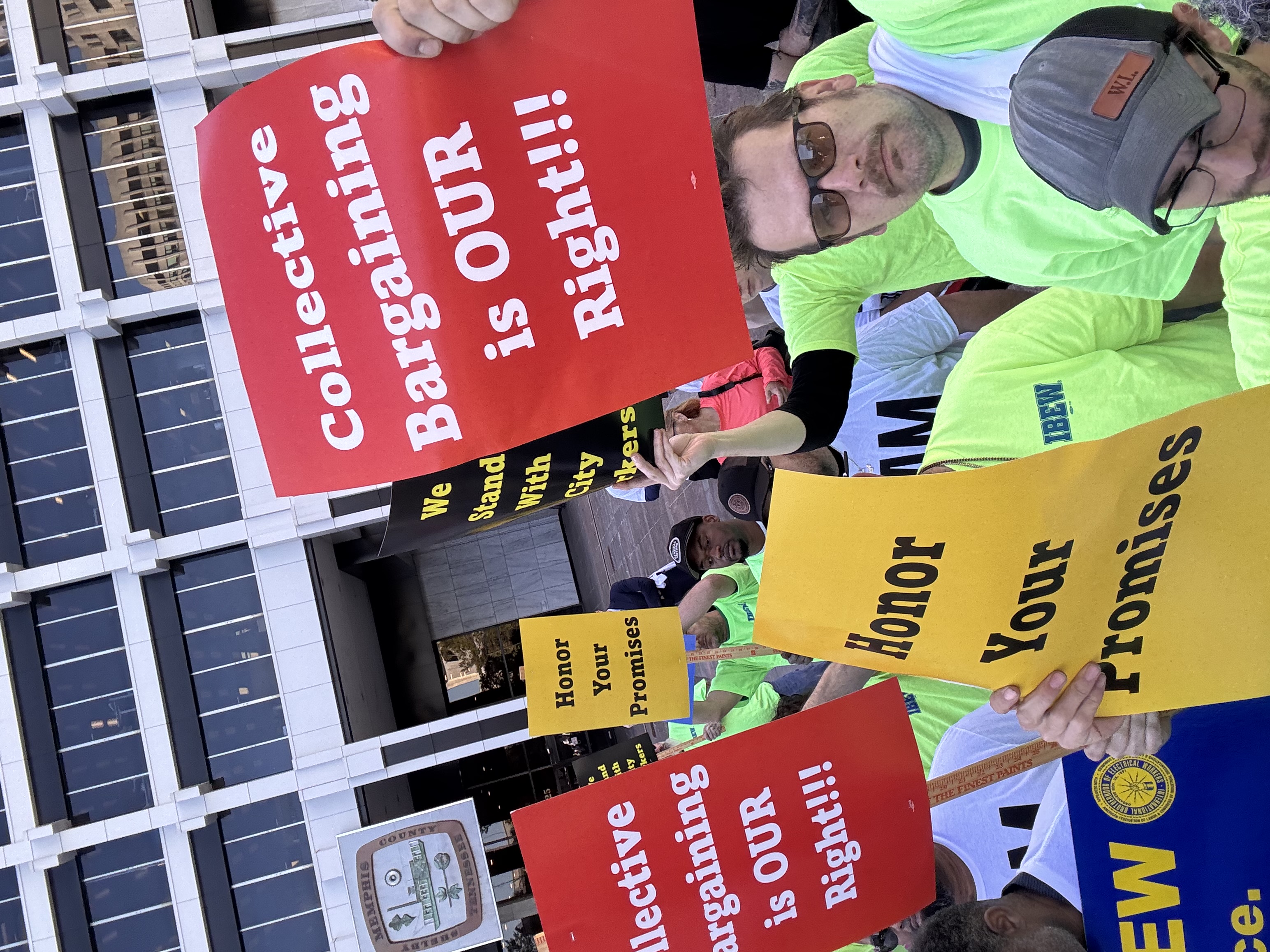
Rally at Memphis City Hall for city workers' right to bargain — "Collective Bargaining is OUR Right!!!"
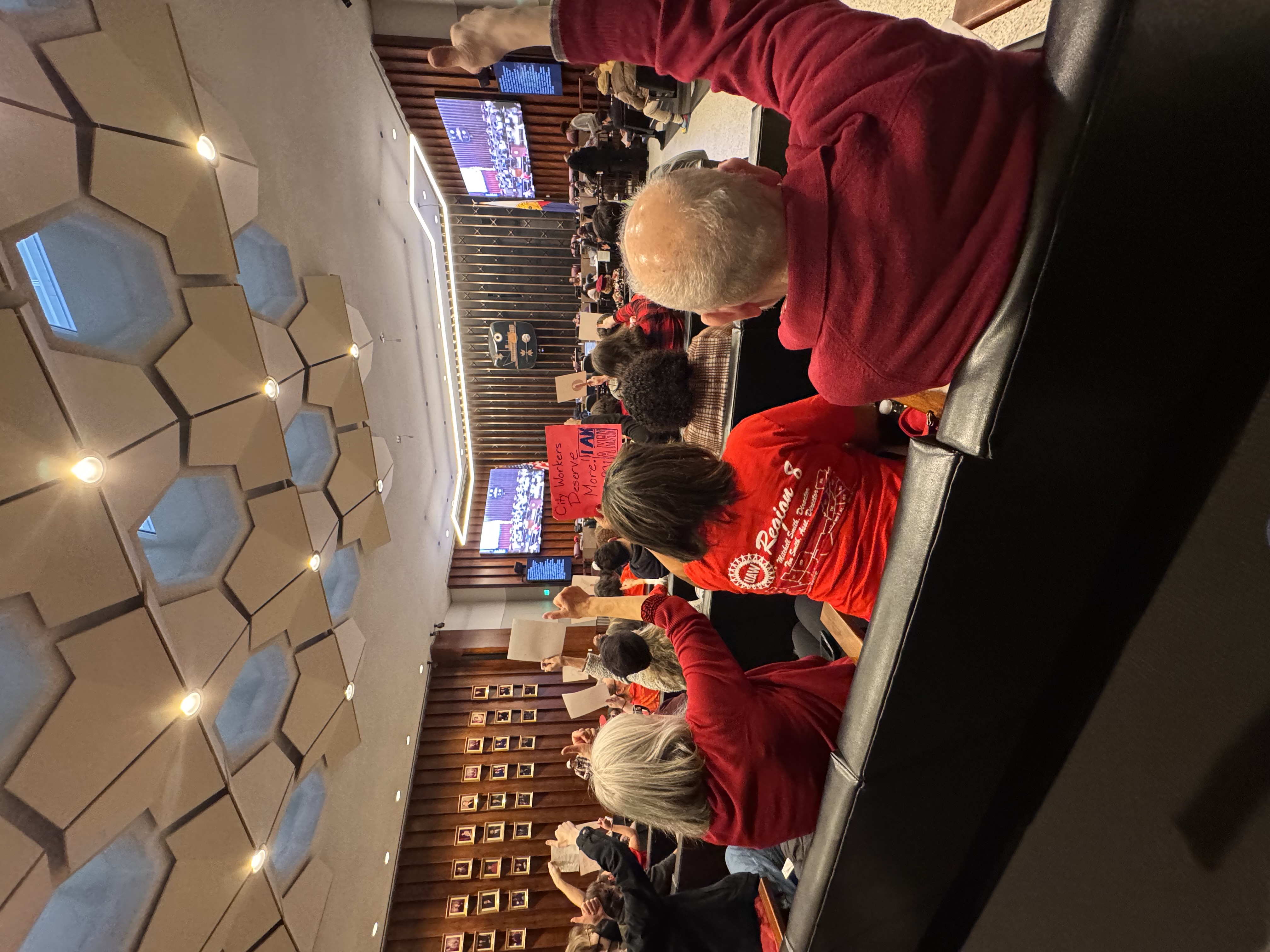
Library workers and supporters attend City Council meeting supporting them to have civil service rights
In 2025, over 200 Memphis Public Library workers across 18 branches took a stand that echoed the very foundations of Memphis labor history. Classified as "appointed" employees — a status typically reserved for division heads and board members — library workers lacked the basic workplace protections enjoyed by nearly every other City of Memphis employee. No transparent hiring or firing process. No formal grievance procedures. No collective bargaining rights. No union. They could be dismissed at will by the mayor with no recourse. A supermajority of workers — roughly 70% — announced their union with the Communications Workers of America (CWA) in September 2025, calling for a union election and demanding a seat at the table. Workers rallied at City Council meetings, organized community events, and built broad public support for their cause. Key organizers like Alexandra Farmer, Emmaline Rogers, Anthony Lucatelli, and Van Snyder became voices for fairness, stability, and dignity. Councilmember J.B. Smiley championed their fight, introducing a City Charter amendment that the City Council approved 10-1, placing a referendum on the November 2026 ballot. If voters approve, library workers will be reclassified as civil service employees — finally gaining the protections, the voice, and the respect they have earned. A 1984 executive order bars non-civil service employees from forming bargaining units, and workers are urging Mayor Paul Young to amend it. Their fight continues — and the city is watching.
Key Issues:
- Classification as 'appointed' employees denying civil service protections
- No collective bargaining rights or union representation
- Low pay and limited benefits despite essential community work
- No formal grievance process or job security
- A 1984 executive order blocking non-civil service employees from unionizing
Outcome: City Council voted 10-1 to place a charter amendment on the November 2026 ballot. If passed, roughly 230 library workers will gain civil service status, collective bargaining rights, and the ability to join a union — continuing Memphis's legacy as a city where workers fight for and win their dignity.
"From factory floors to coffee shops, from telecom lines to sanitation routes — Memphis workers are still standing up, still organizing, and still fighting for justice."
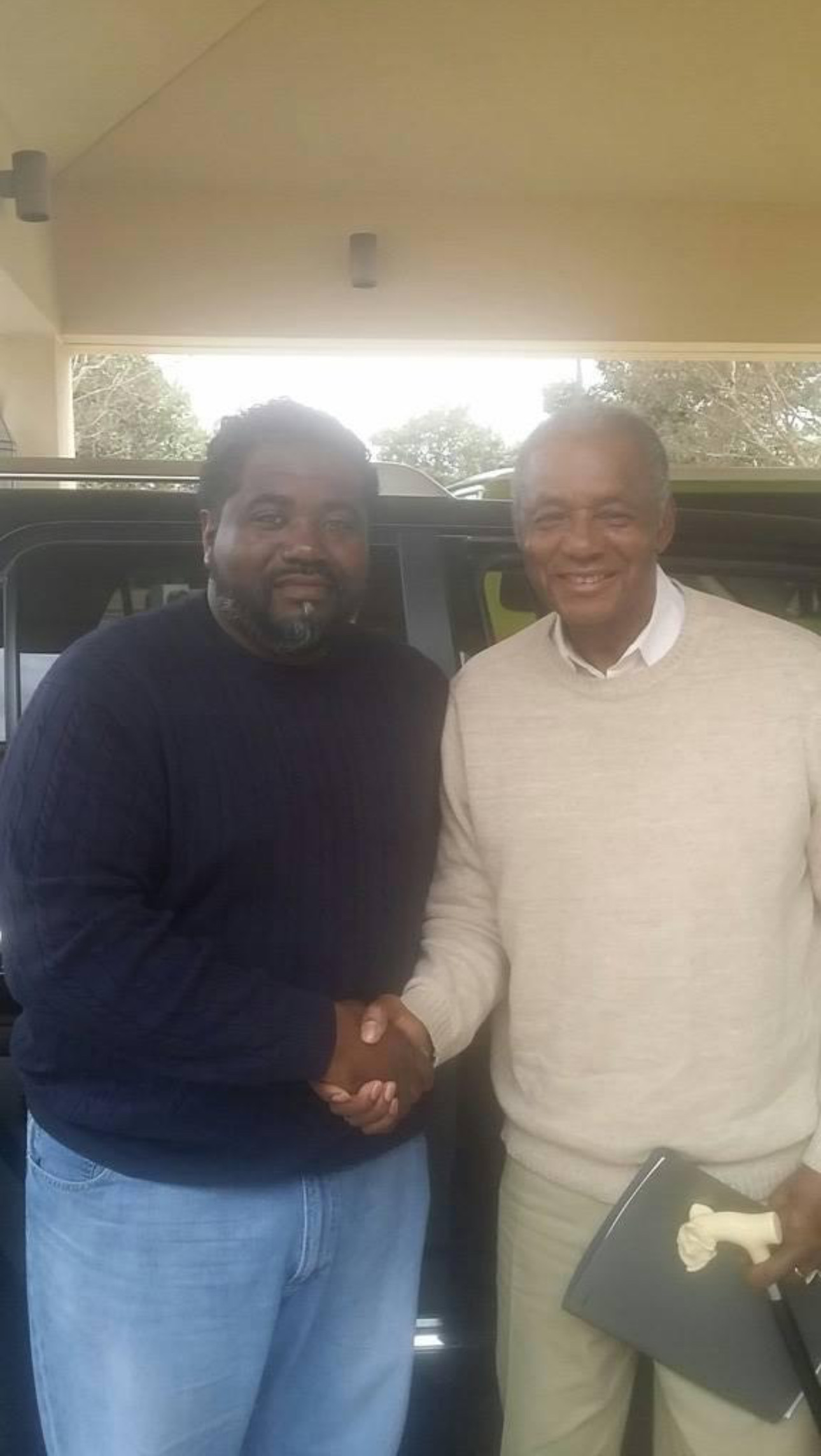
With William Lucy
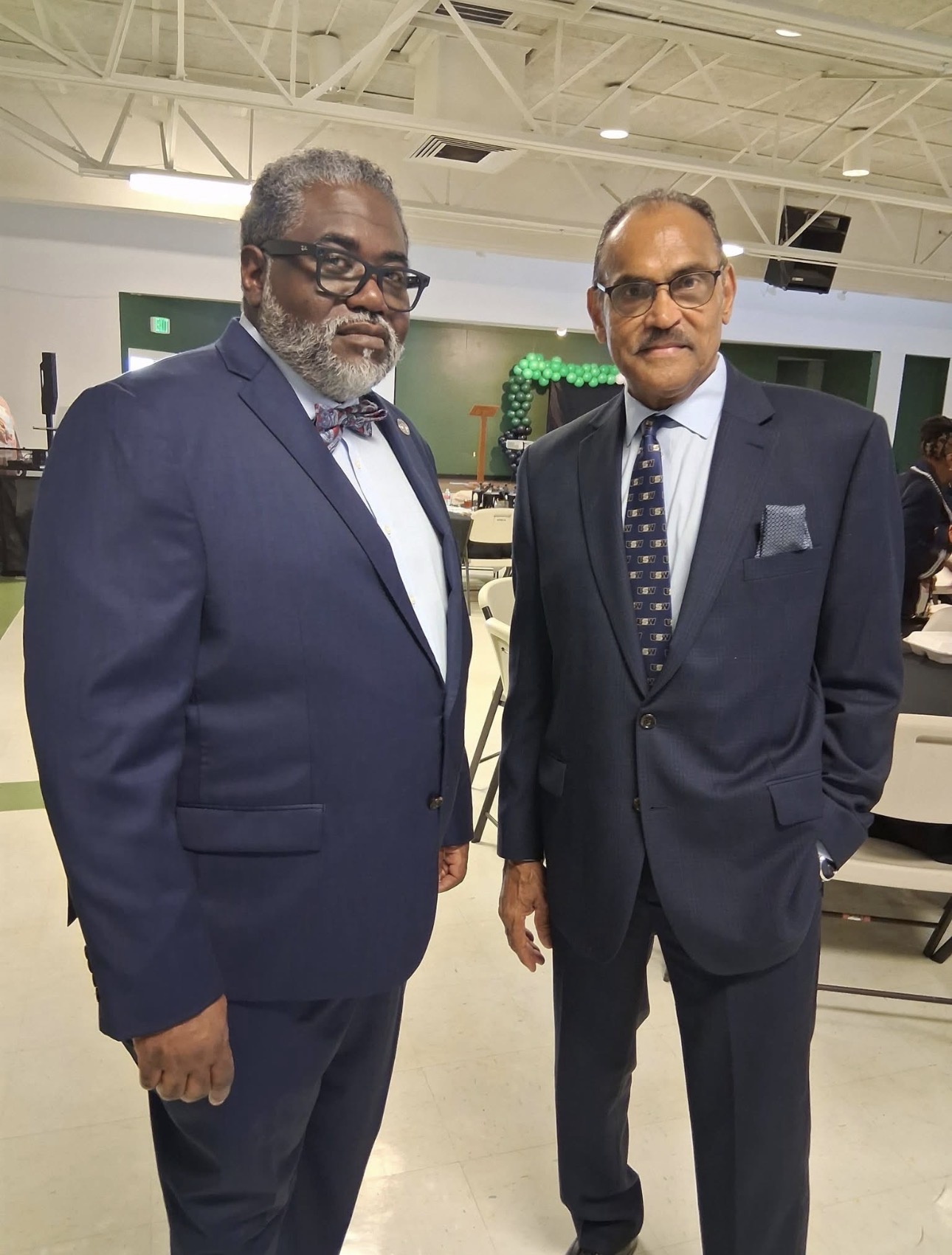
With Irvin Calliste
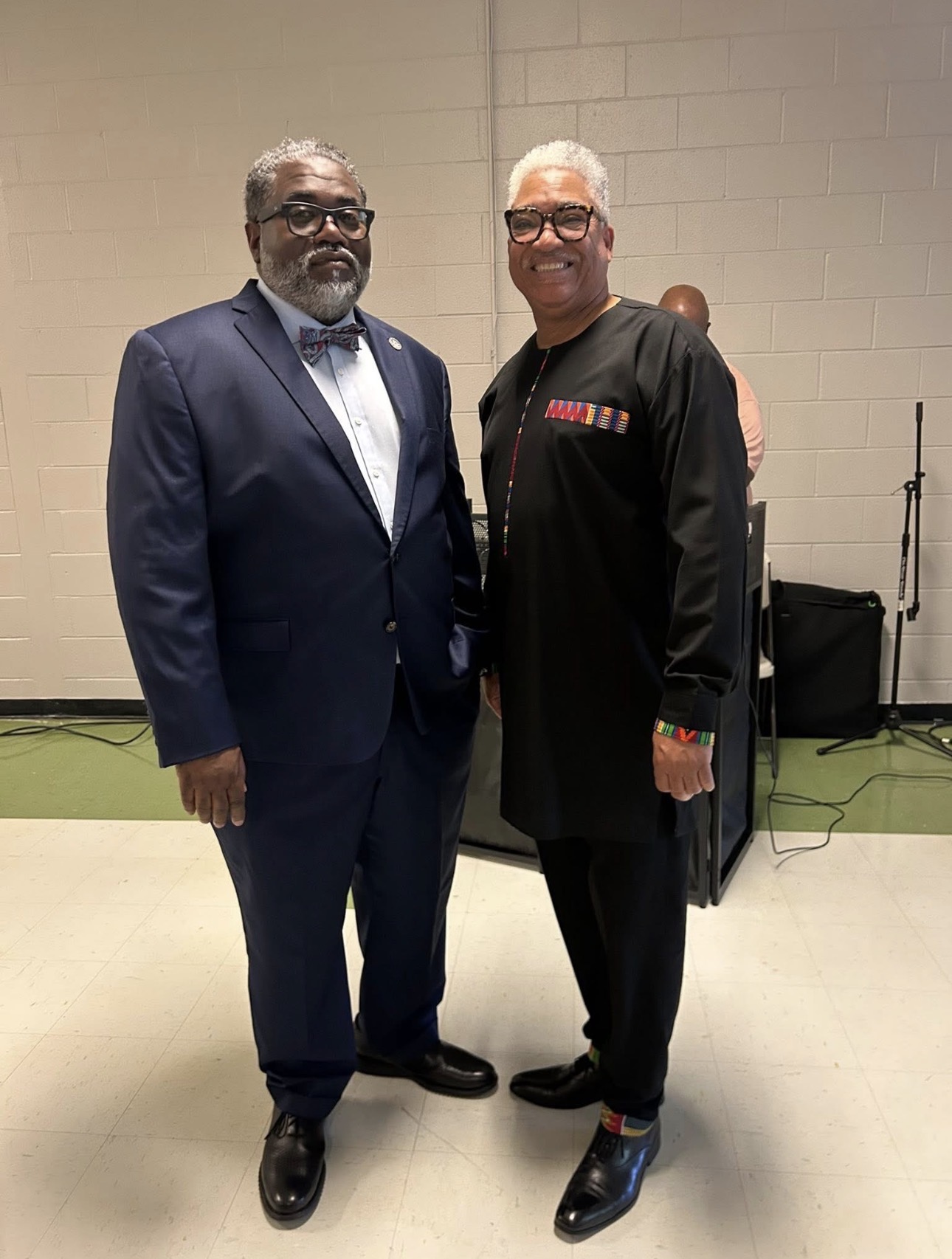
With Kermit Moore
No leader stands alone. The leadership of Kevin Bradshaw was shaped and influenced by some of the most respected figures in Memphis labor history.
William Lucy, a legendary labor leader and co-creator of the "I AM A MAN" campaign, served as a direct mentor to Bradshaw — helping shape his understanding of labor, dignity, and the power of organizing. It was Lucy, along with Dr. Carolyn Bell and Dr. Clifford Black, who encouraged Bradshaw to restart the CBTU chapter in Memphis — bringing the coalition's mission of empowering Black trade unionists back to the city where the labor and civil rights movements intersected forever.
Lorenzo Banks, a 1968 Sanitation Striker, connected Bradshaw directly to the foundation of Memphis labor history.
David Dortch, Casel Jones, former Labor Council President Irvin Calliste and Kermit Moore, each contributed their own lessons in discipline, strategy, and commitment. Through their guidance, Bradshaw developed a leadership style rooted in community, education, and action.
Their collective influence instilled a deep respect for labor history, a strong commitment to worker justice, and the understanding that leadership is not given — it is developed through struggle, mentorship, and standing with the people.
Key Leaders
- William Lucy — Legendary labor leader and mentor
- Lorenzo Banks — 1968 Sanitation Striker
- David Dortch — Influential labor leader and advocate
- Casel Jones — Respected union leader and organizer
- Irvin Calliste — Former Labor Council President
- Kermit Moore — President Memphis A.P.R.I. & N.A.A.C.P.
"Leadership is not given — it is developed through struggle, mentorship, and standing with the people."
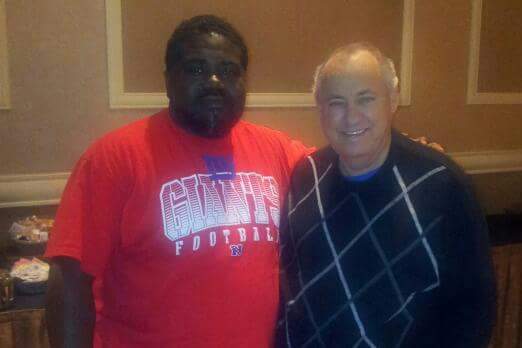
Kevin Bradshaw with BCTGM International Senior Vice President & Chief Negotiator Bob Oakley
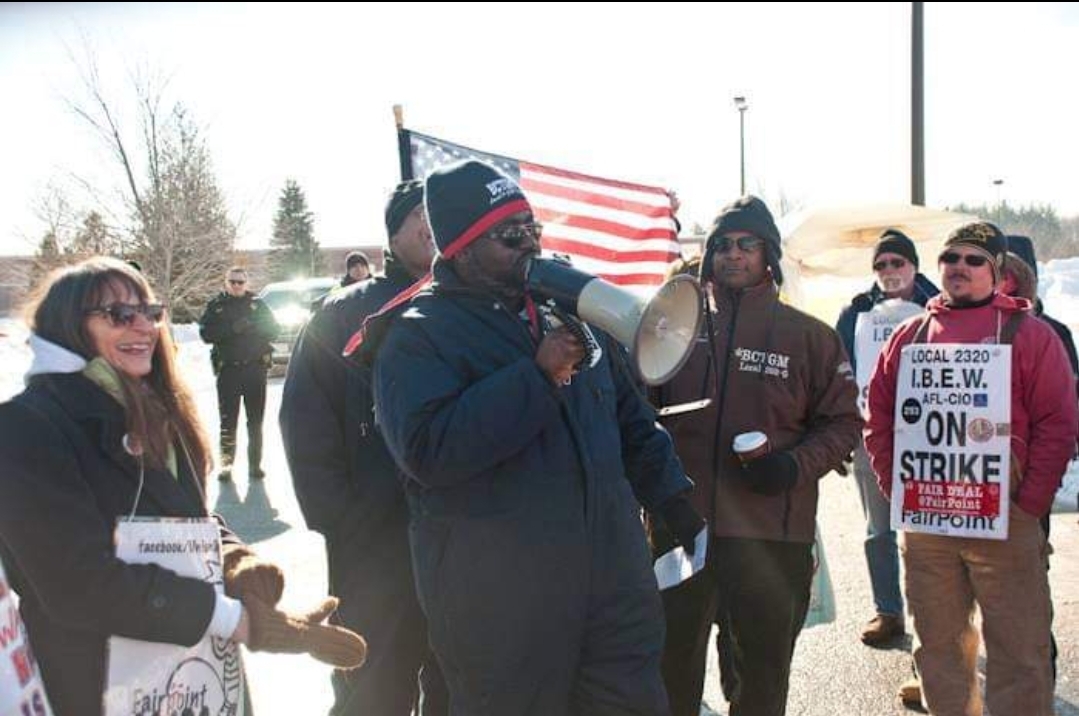
On the strike line in New Hampshire with IBEW Local 2320 and CWA
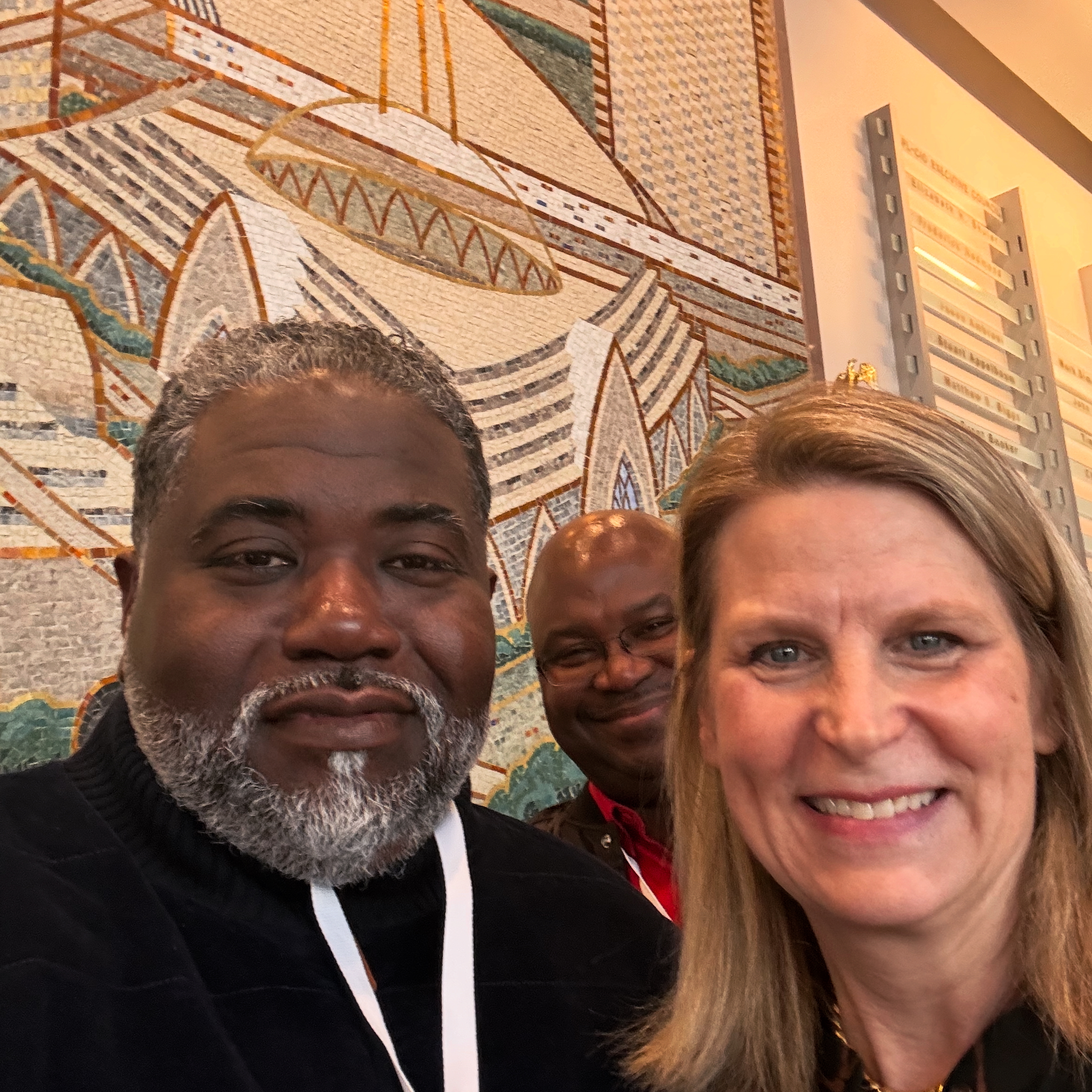
Kevin Bradshaw with AFL-CIO National President Liz Shuler & Corey Hester, Business Agent IBEW Local 1288 Memphis, at the National AFL-CIO Building in Washington, D.C.
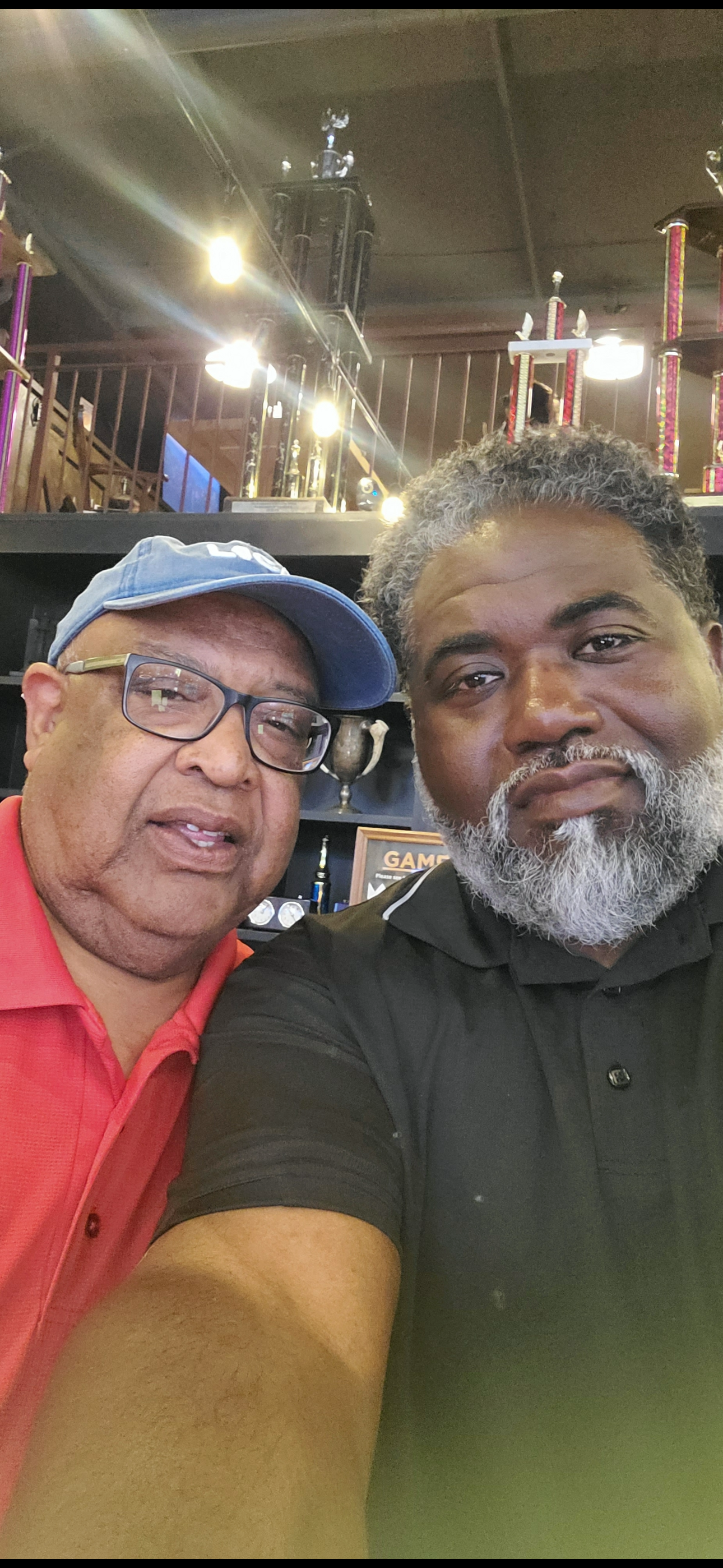
Kevin Bradshaw with AFL-CIO Secretary-Treasurer Fred Redmond
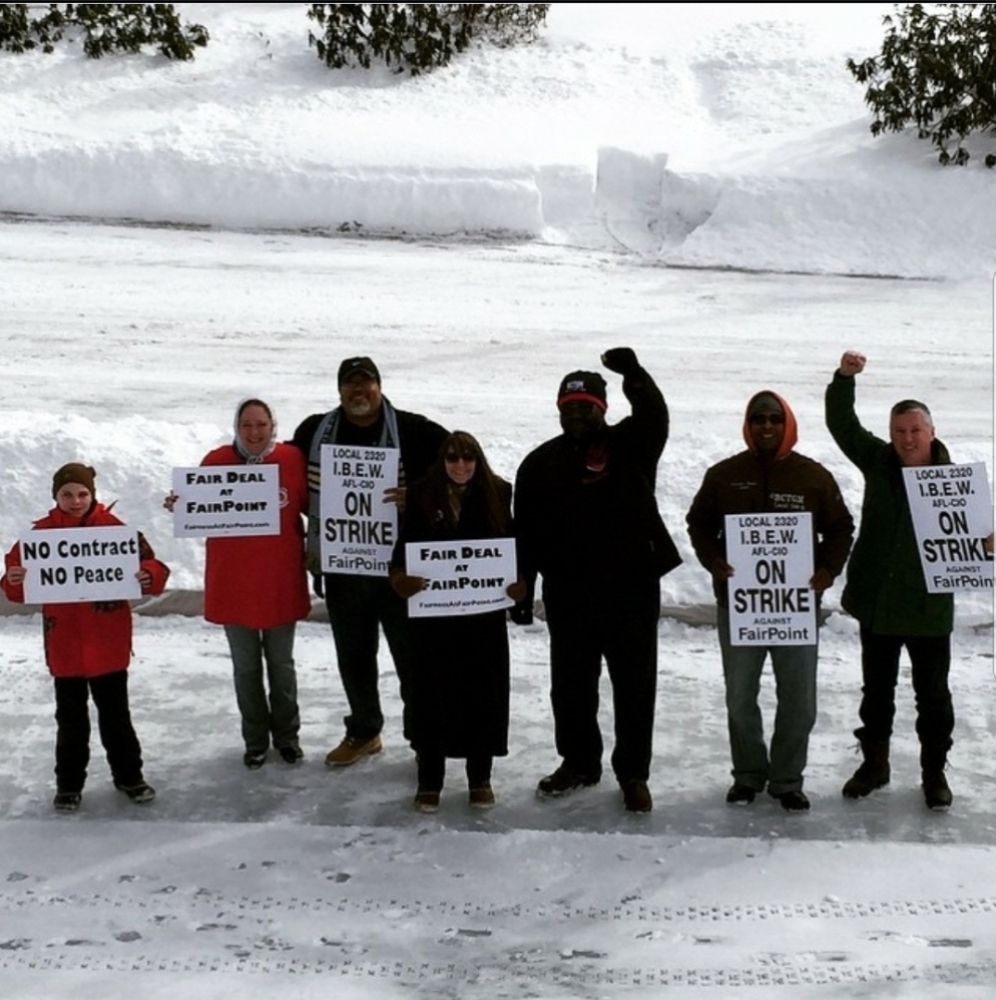
Memphis 3: Greg Miller, Trence Jackson & Kevin Bradshaw on the IBEW Local 2320 & CWA strike line in New Hampshire
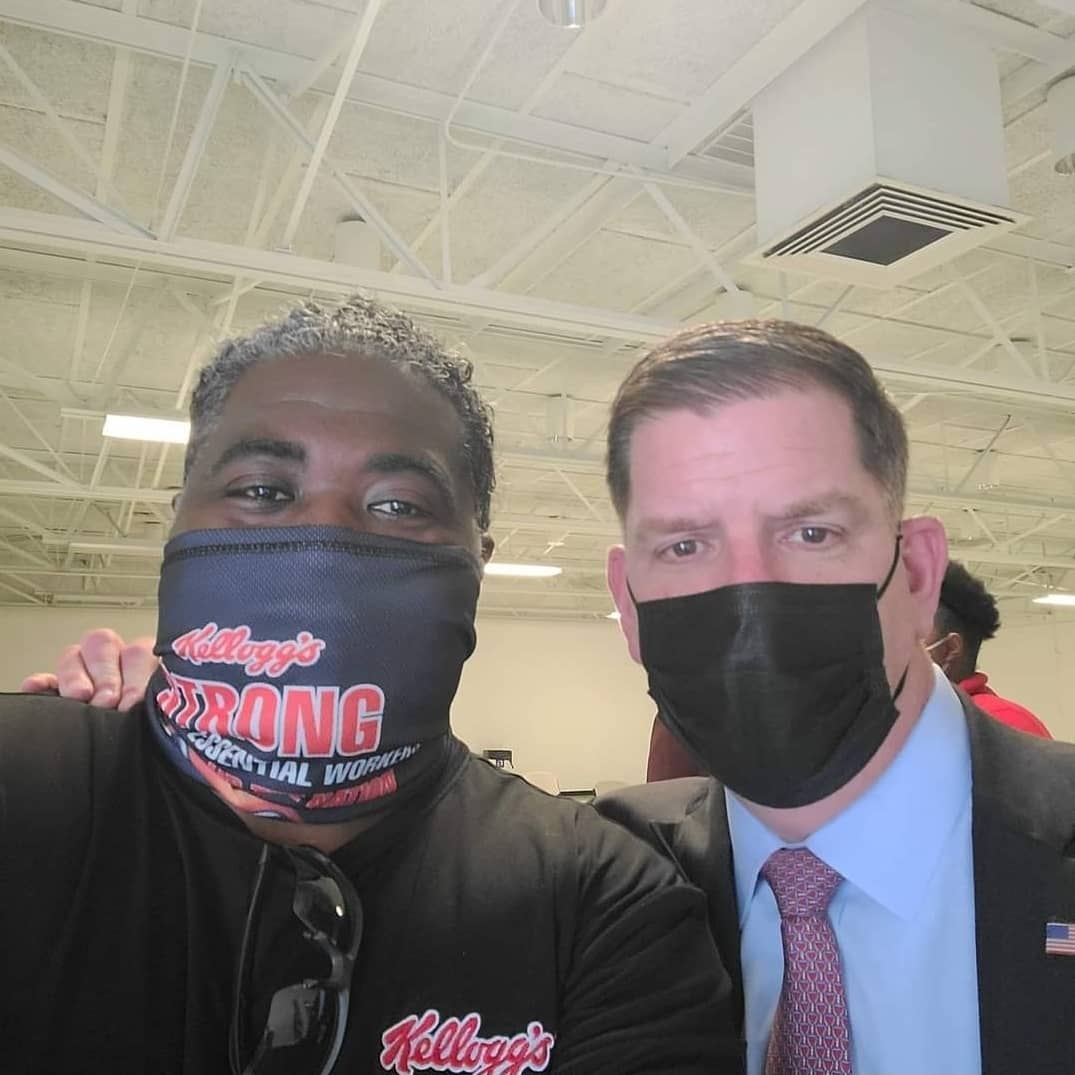
Kevin Bradshaw with U.S. Secretary of Labor Marty Walsh
Memphis labor history is not just something remembered — it is something that continues to be lived and fought for every day. Kevin Bradshaw stands as part of that ongoing movement, carrying forward the legacy built by the sanitation workers of 1968 and the leaders who followed.
One of the most defining chapters of modern labor struggle in Memphis took place at the Kellogg Company Memphis plant, where workers represented by BCTGM faced major battles that would shape the future of labor organizing in the city.
The 2013 Kellogg's Lockout
Led by: Kevin Bradshaw — President, BCTGM Local 252G
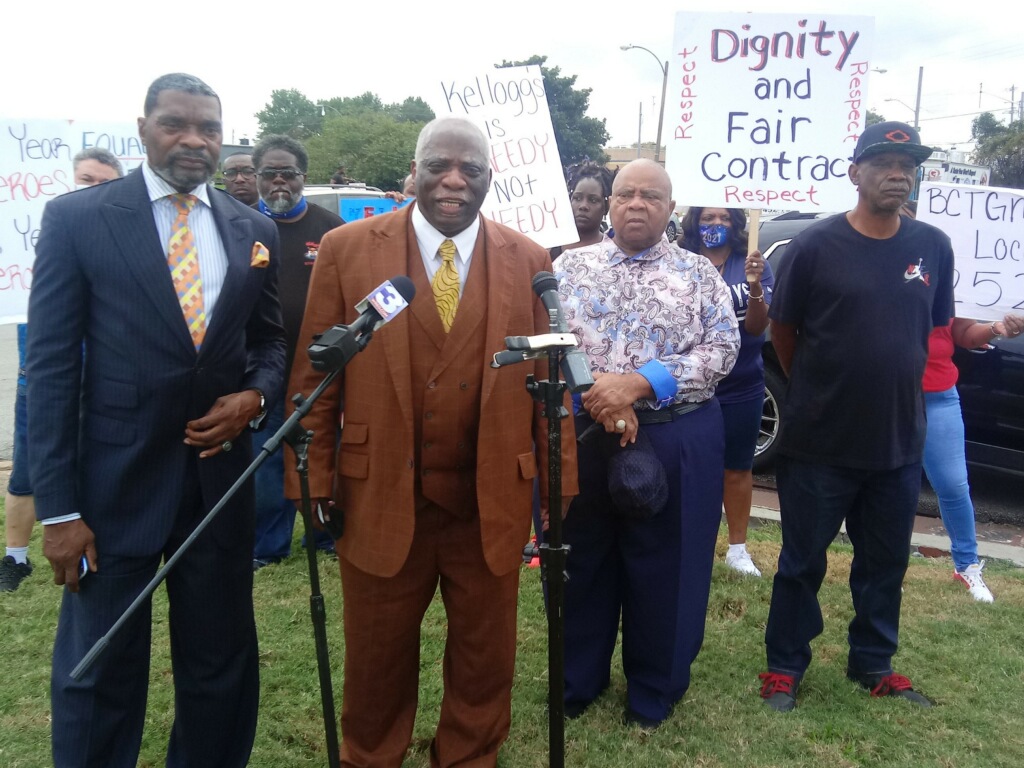
Press conference at the Kellogg's plant during the 2013 lockout — Members of the clergy from the Baptist Ministerial Association presenting a $10,000 check for the Local 252G hardship fund, offering prayer and solidarity on the picket line
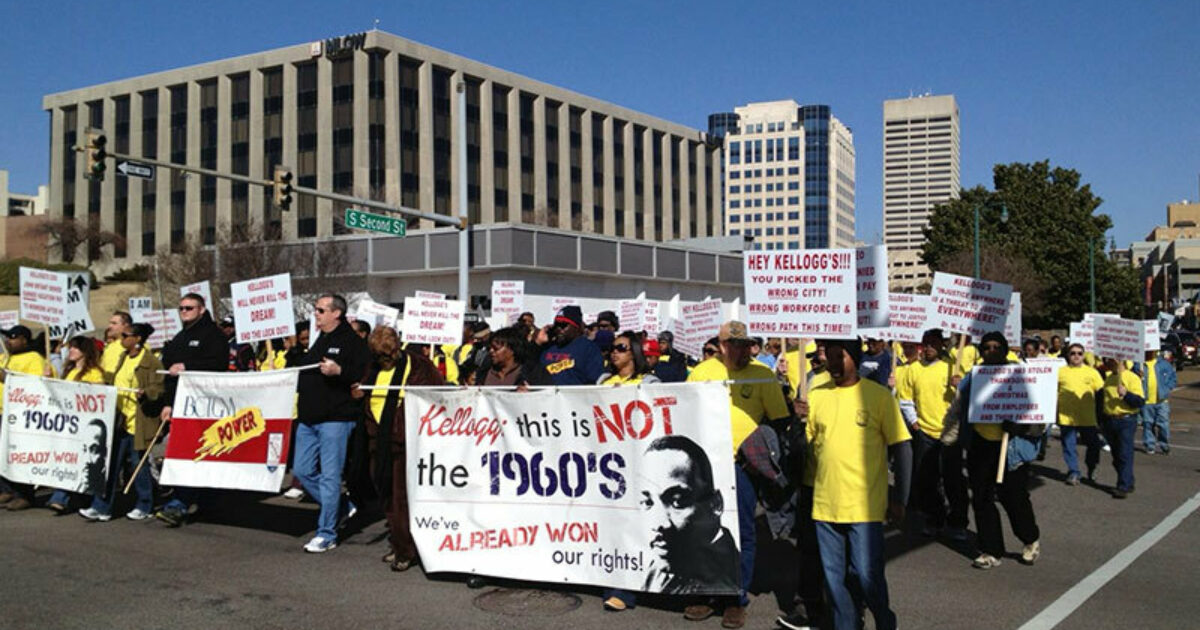
BCTGM Local 252G members during the Kellogg's lockout
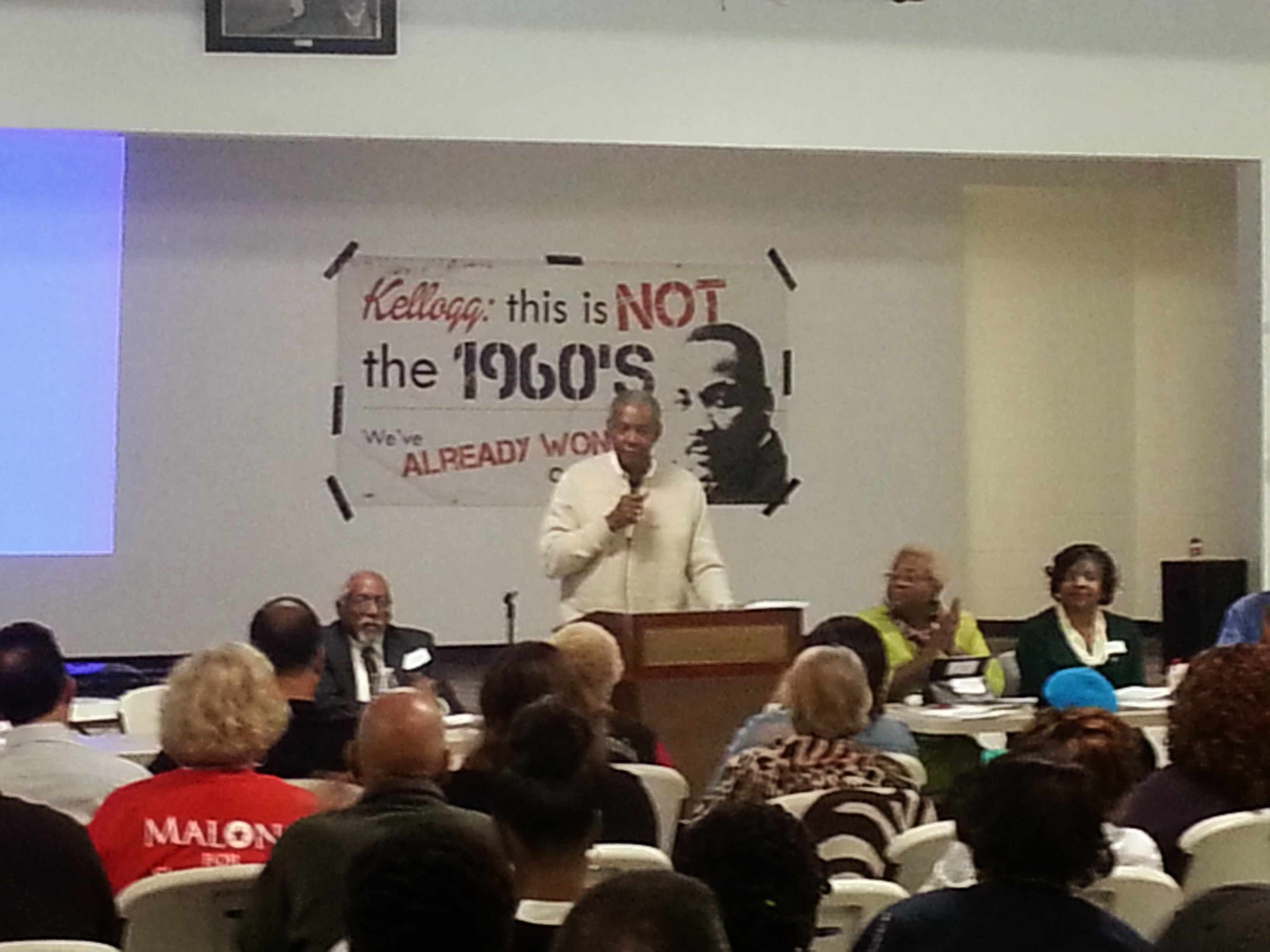
William "Bill" Lucy speaking at a Kellogg's lockout support event — "Kellogg: this is NOT the 1960's... We've Already Won"
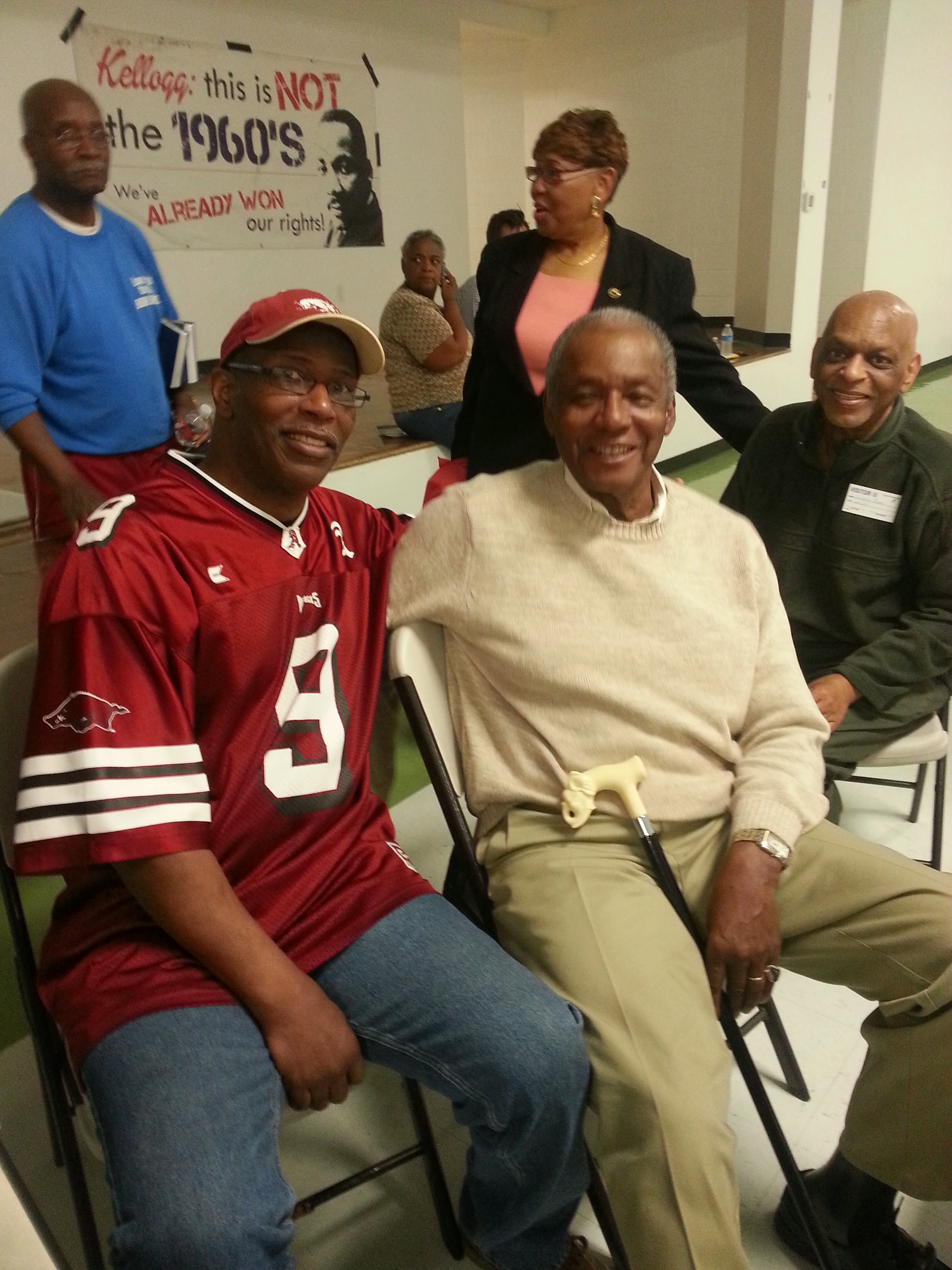
Jerold Lewis (left), William "Bill" Lucy (center) & Lorenzo Banks (right) at AFSCME Local 1733 Union Hall for Kellogg's Lockout Rally
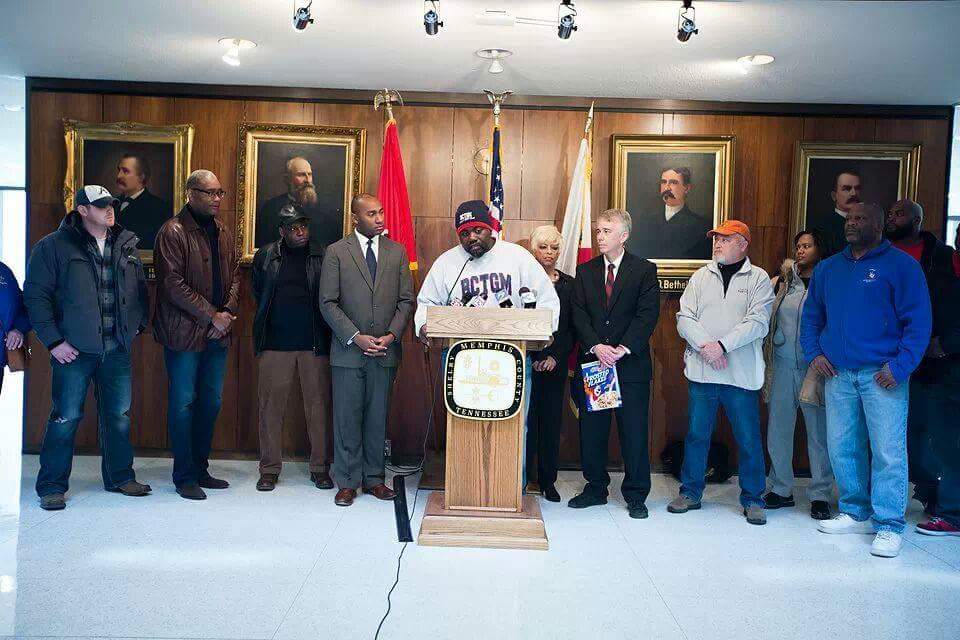
Press conference at Memphis City Hall with elected officials and union members during the Kellogg's lockout
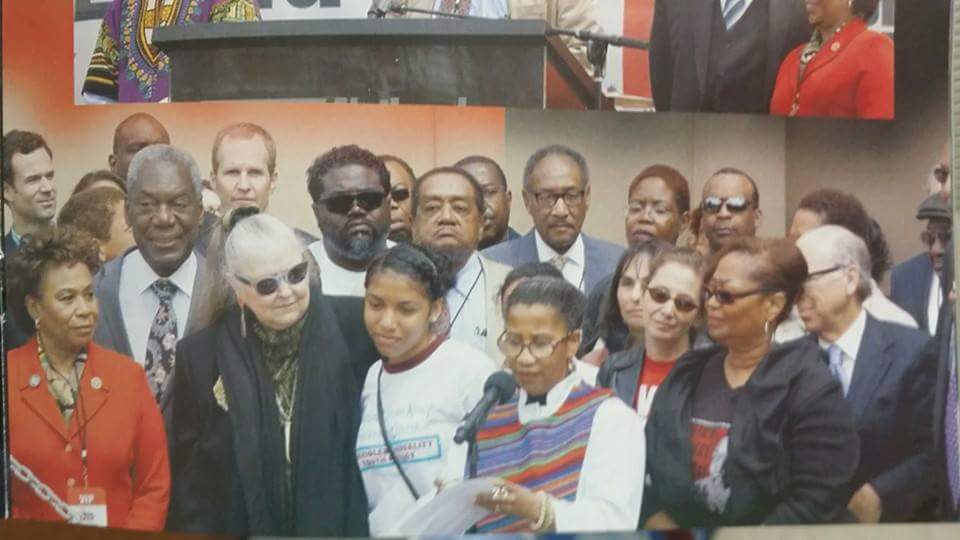
At the 2014 National Civil Rights Museum Grand Reopening with Black Panther co-founder Bobby Seale
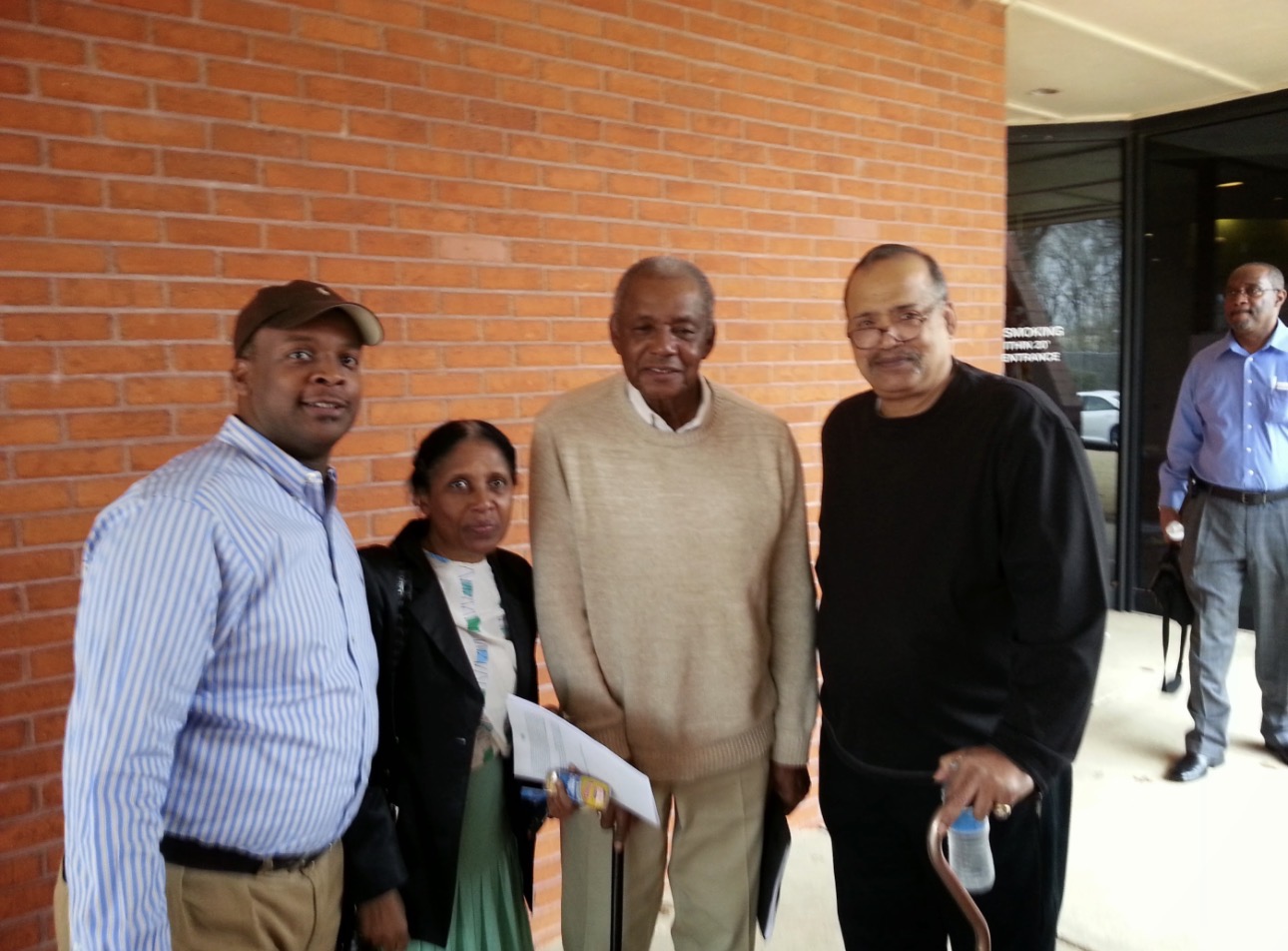
Trence Jackson, Dr. Carolyn Bell, Mr. Bill Lucy, and Dr. Clifford Black
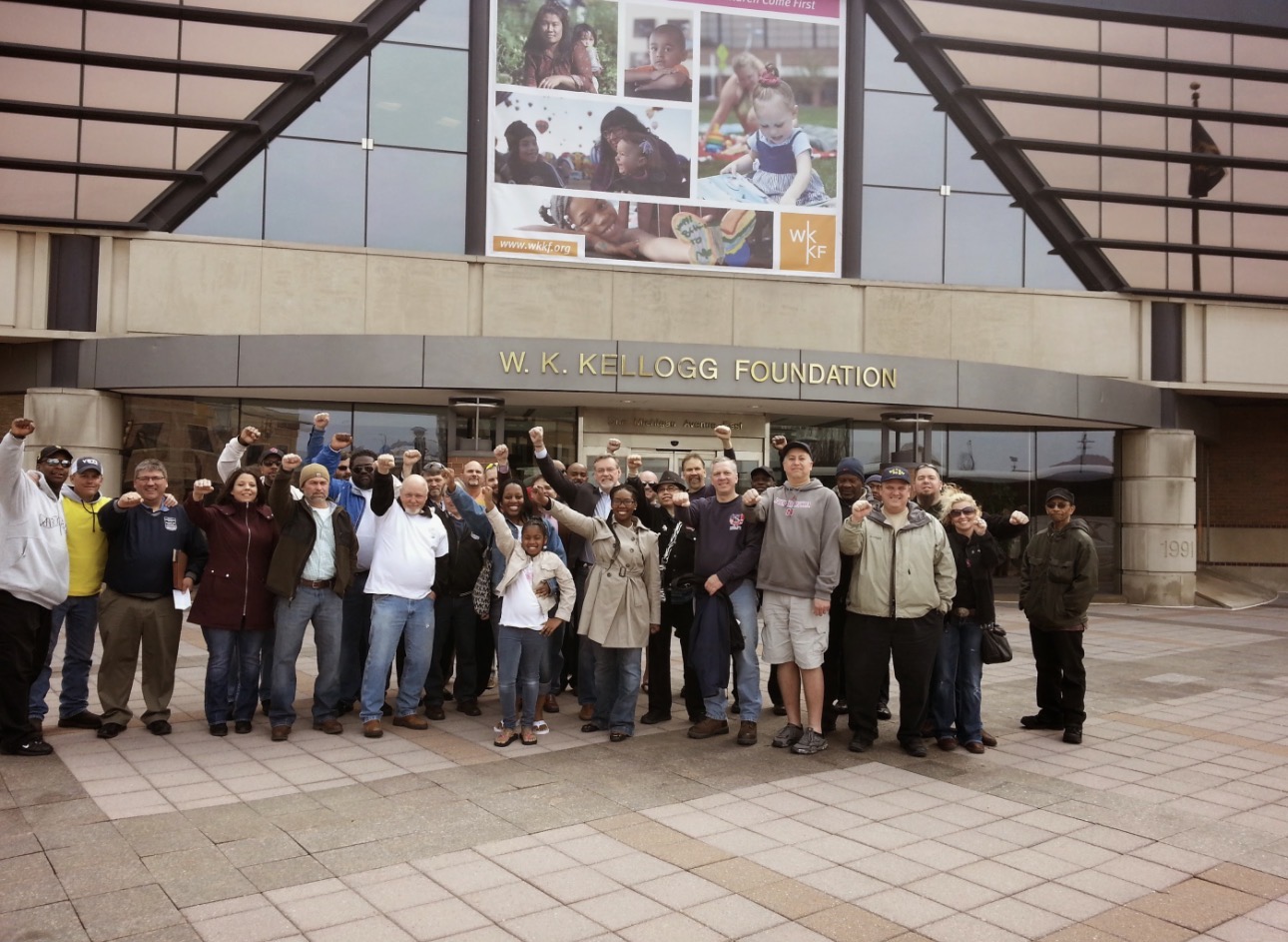
Locked out members at W.K. Kellogg Foundation in Battle Creek, Michigan — seeking justice for the harm inflicted illegally upon our families
In 2013, Kellogg illegally locked out 226 union members at the Memphis plant during a contract dispute. Workers were denied access to their jobs for 10 months — no wages, no benefits, no insurance. It was a brutal tactic designed to break the union. But under the leadership of Kevin Bradshaw and the Local 252G leadership team, workers held the line. Bradshaw organized community support from politicians, the SCLC, NAN, NAACP, judges, lawyers, clergy, and international unions — taking the fight all the way to Capitol Hill. Workers returned to their jobs in August 2014 after a judge's ruling, proving that solidarity and persistence can overcome even the most aggressive corporate tactics.
Key Issues:
- Illegal lockout of 226 workers
- 10 months without wages, benefits, or insurance
- Corporate pressure to force concessions
- Attack on collective bargaining rights
Outcome: Workers returned to their jobs in August 2014. The lockout gained national and international attention, strengthened union solidarity, and directly inspired the creation of C.O.P.P.E.R.
C.O.P.P.E.R. — Born from the Struggle
Led by: Kevin Bradshaw — President & Co-Founder
C.O.P.P.E.R. — Coalition for Organizational Protection of People and Equal Rights
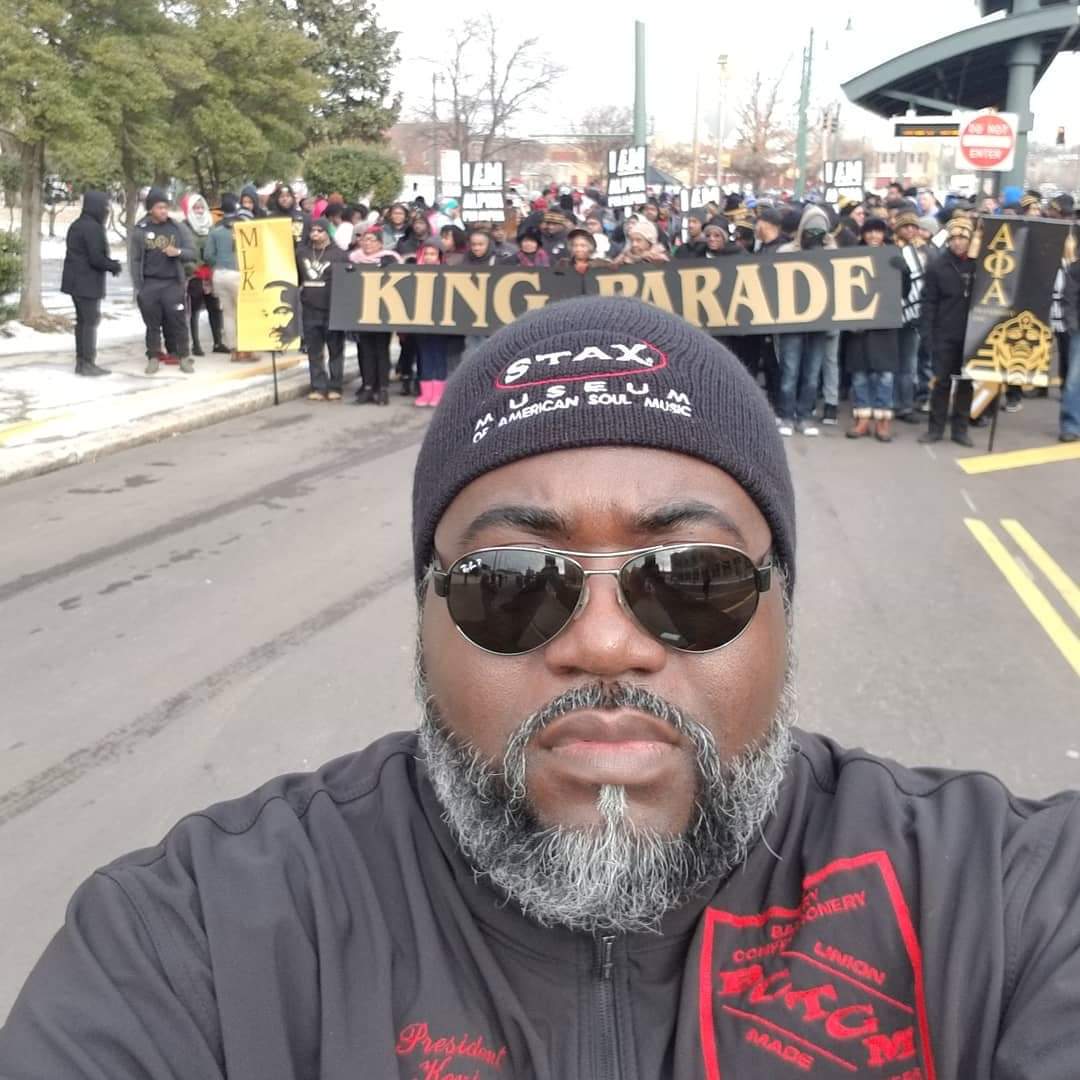
Kevin Bradshaw at the MLK King Parade — "I AM A MAN"
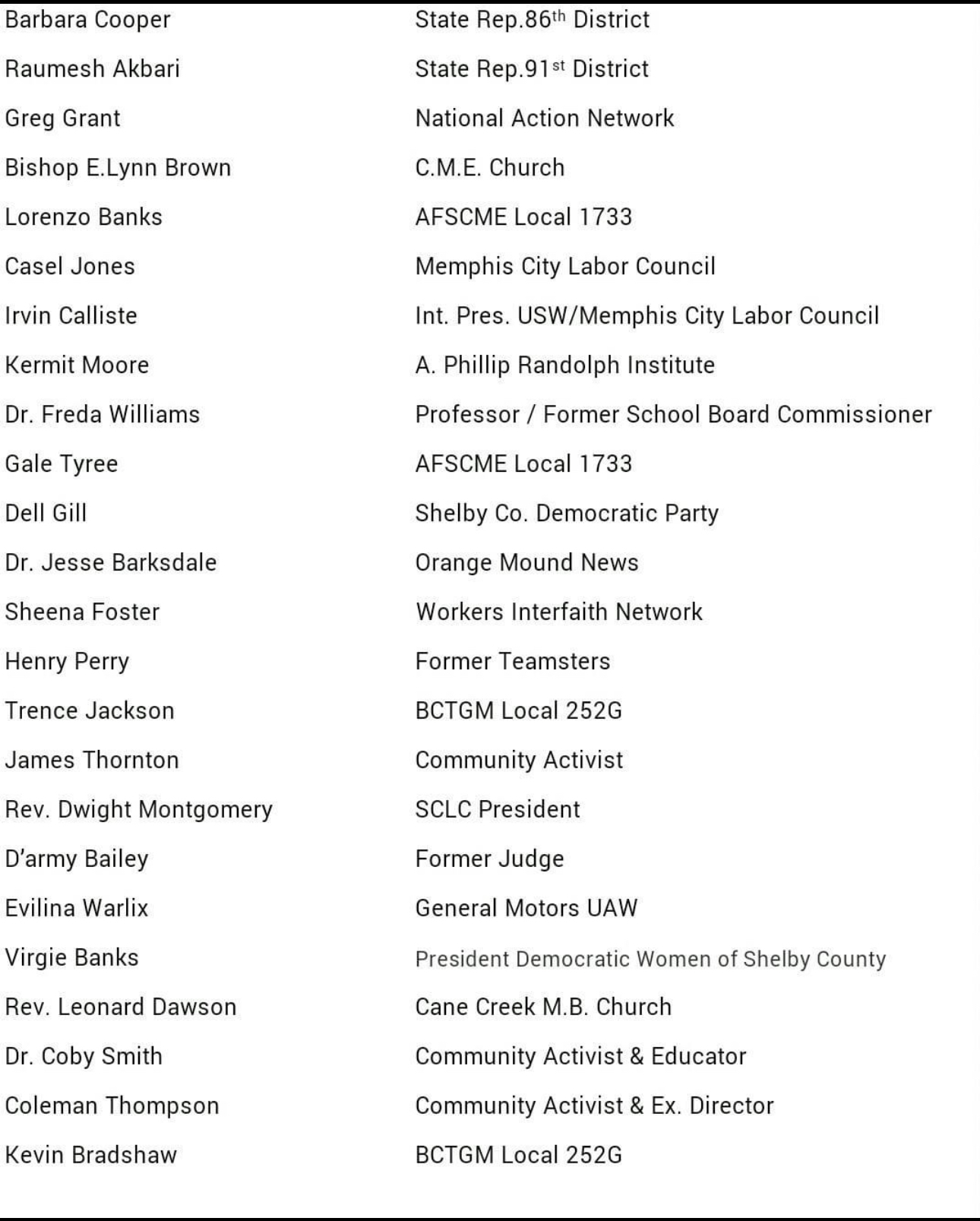
Out of the 2013 lockout came something lasting. The Coalition for the Organizational Protection of People and Equal Rights (C.O.P.P.E.R.) was co-founded by Kevin Bradshaw and a powerful coalition of Memphis community leaders, activists, and organizers. What started as a network of support during the Kellogg's lockout became a permanent organization dedicated to protecting workers' rights and fighting for equal treatment across Memphis. C.O.P.P.E.R. represents the principle that labor struggles don't just end when the picket signs come down — they build into something bigger.
Key Issues:
- Workers' rights protection
- Community organizing and advocacy
- Economic justice and equal rights
- Building lasting coalitions between labor, clergy, and community
Outcome: C.O.P.P.E.R. became a permanent community labor organization in Memphis, uniting leaders across unions, government, clergy, and civil rights to protect working people and advocate for equal rights.
C.O.P.P.E.R. Members & Affiliations:
The 2021 Kellogg's Strike
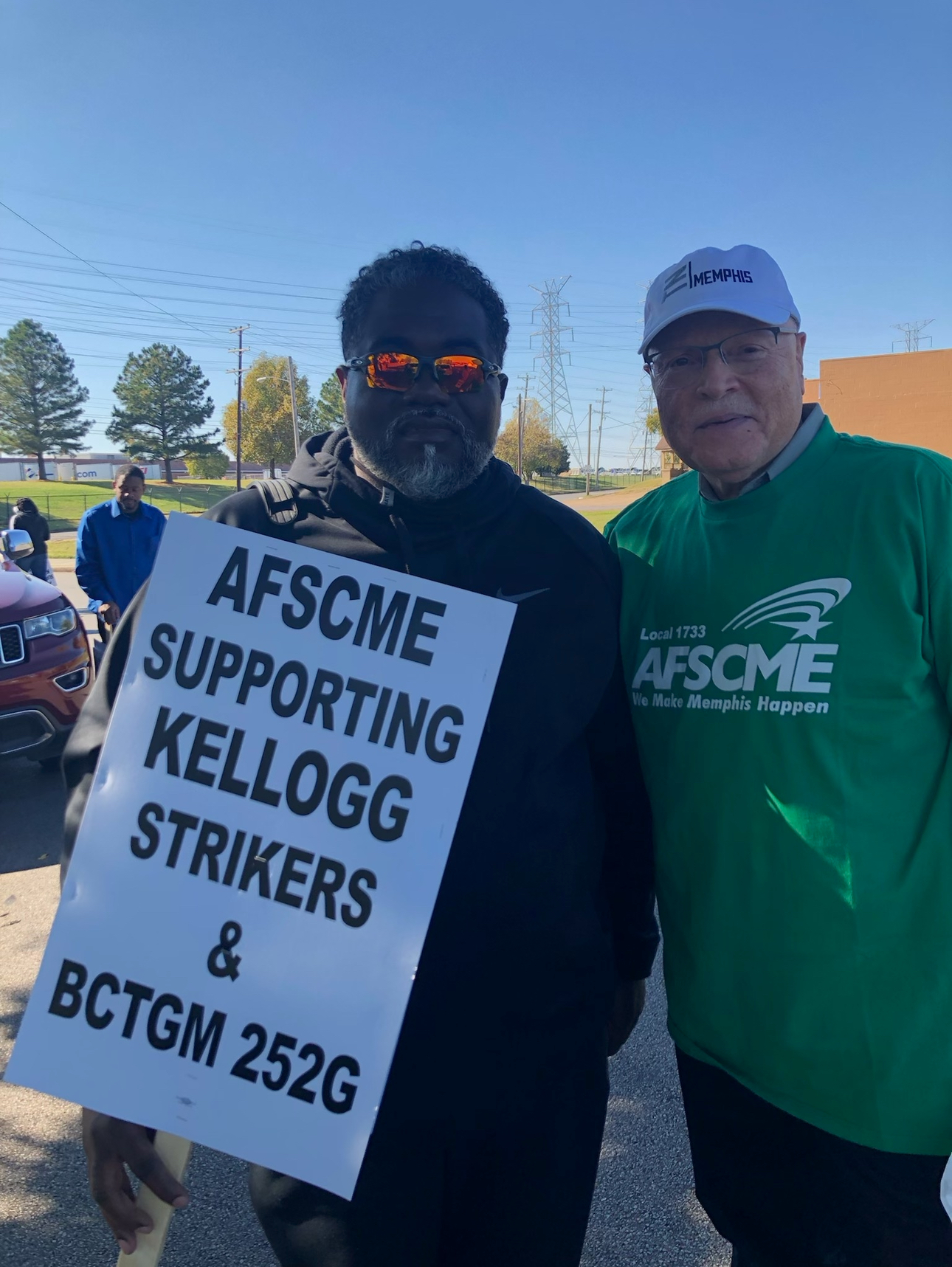
Kevin Bradshaw with AFSCME International President Lee Saunders — "AFSCME Supporting Kellogg Strikers & BCTGM 252G"
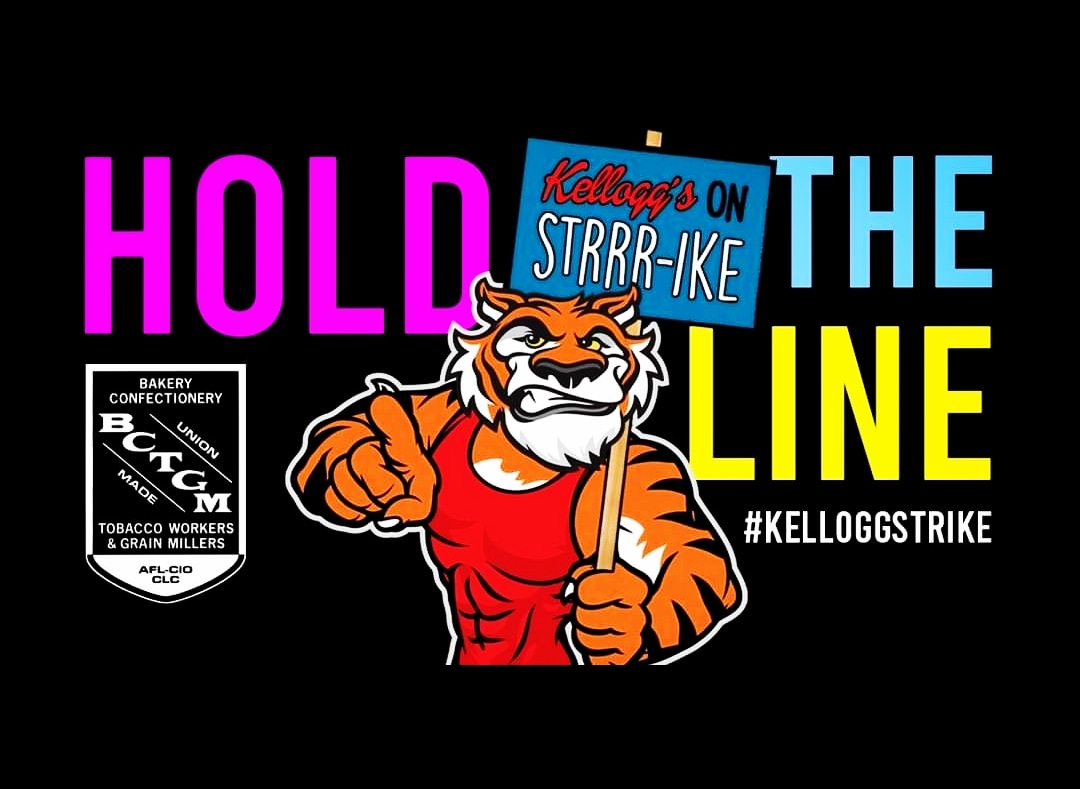
Hold The Line — #KelloggStrike
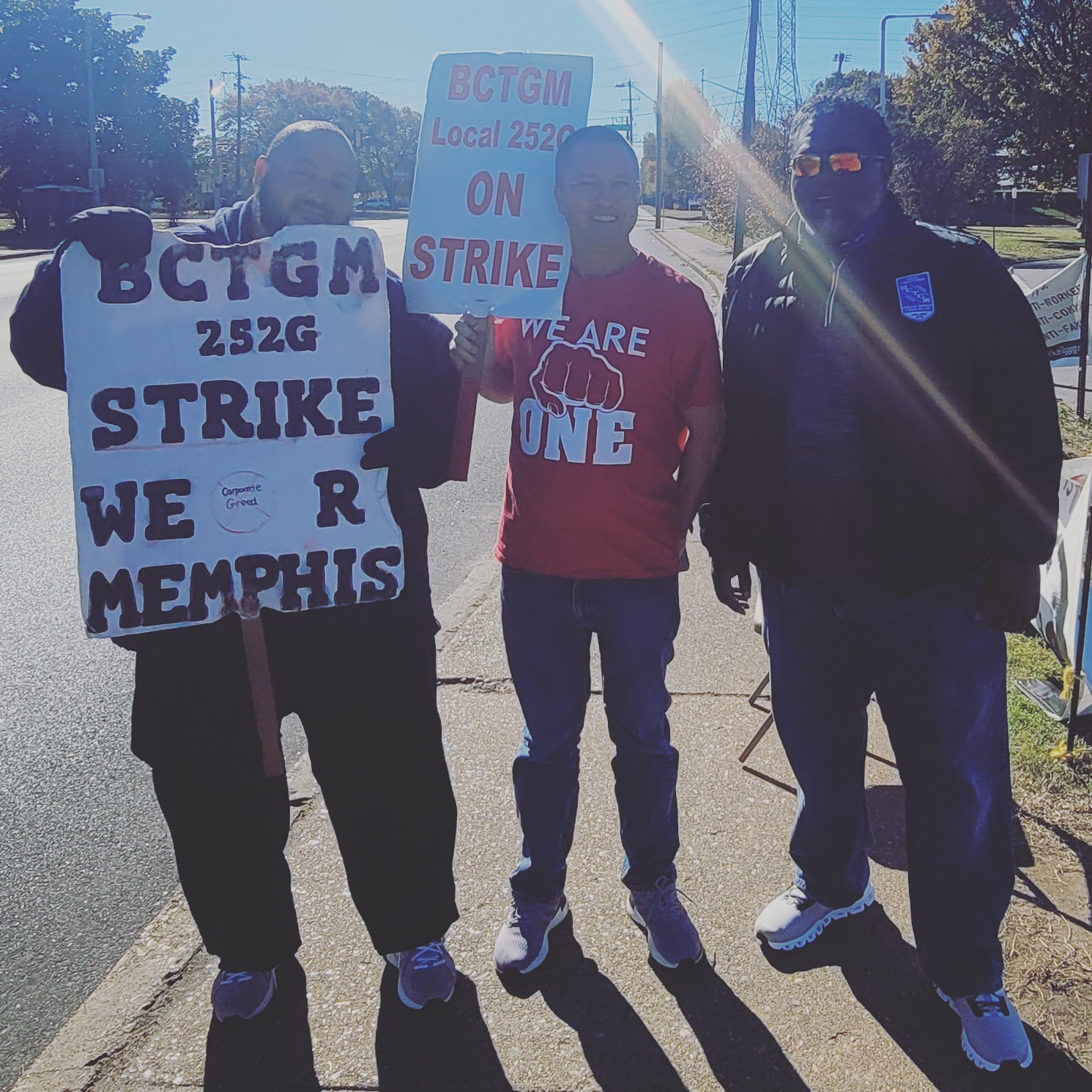
BCTGM 252G Strike — We R Memphis
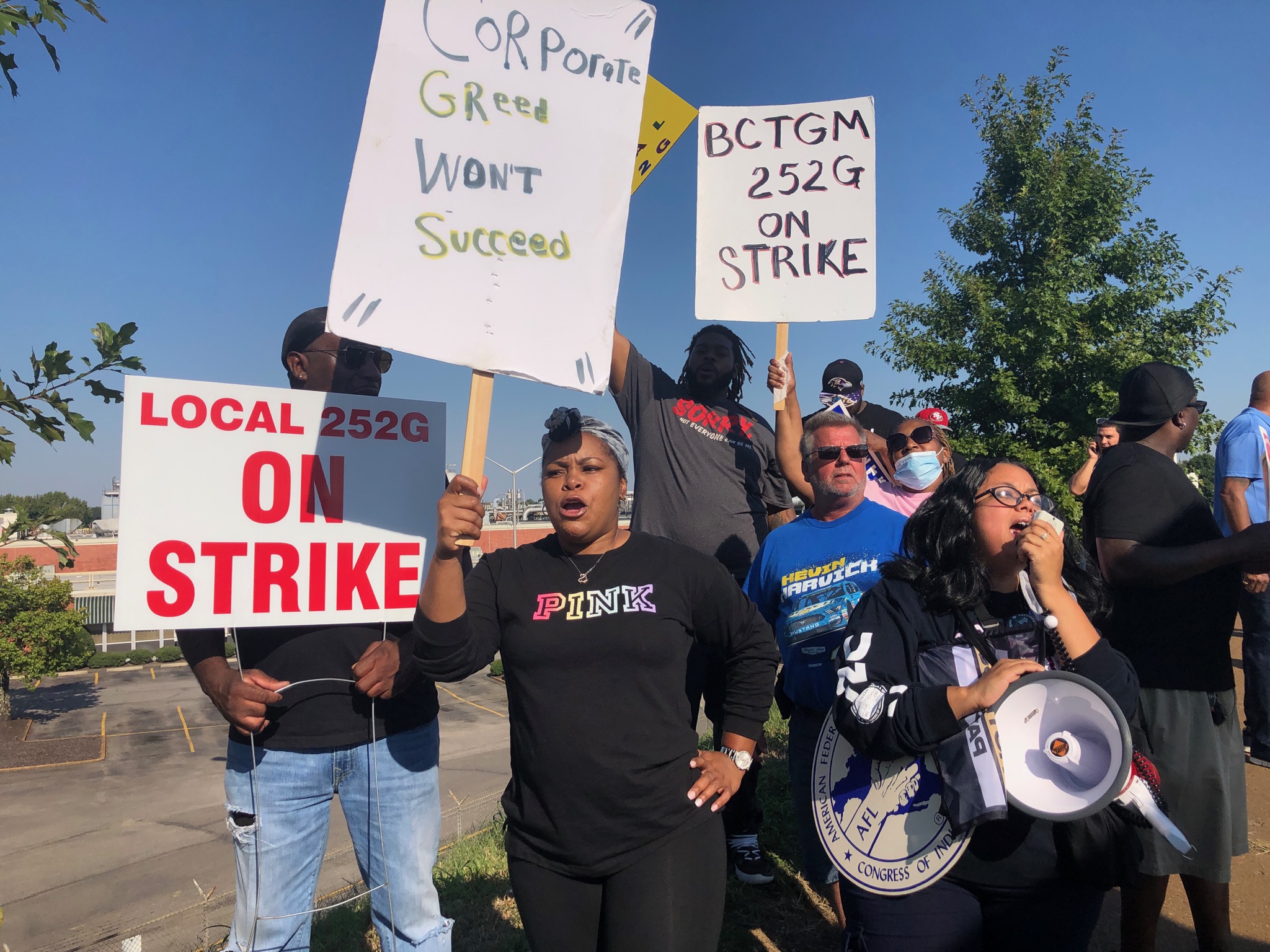
Local 252G On Strike — "Corporate Greed Won't Succeed"
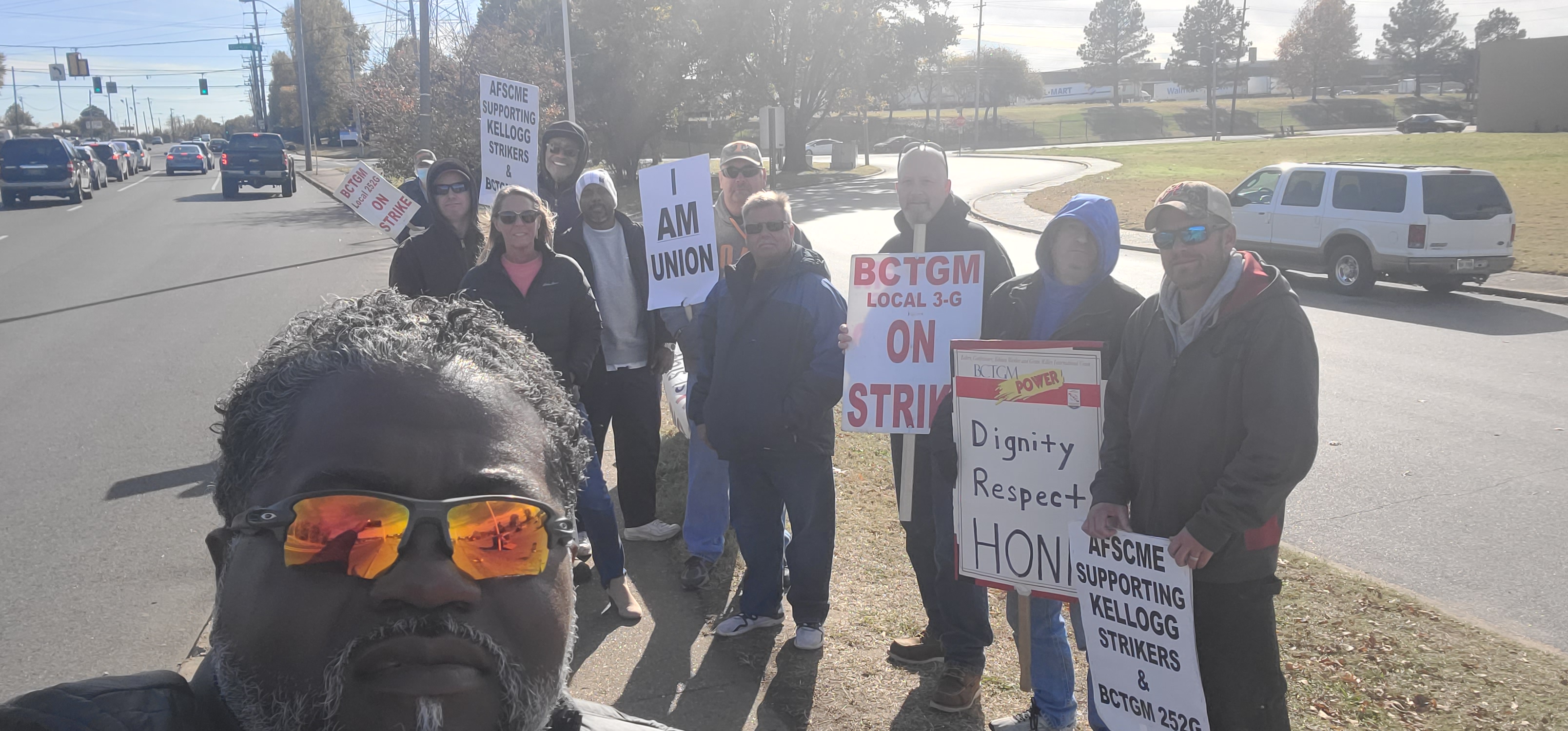
Kevin Bradshaw with BCTGM 252G members on the Kellogg's strike line — "Dignity, Respect, Honor"
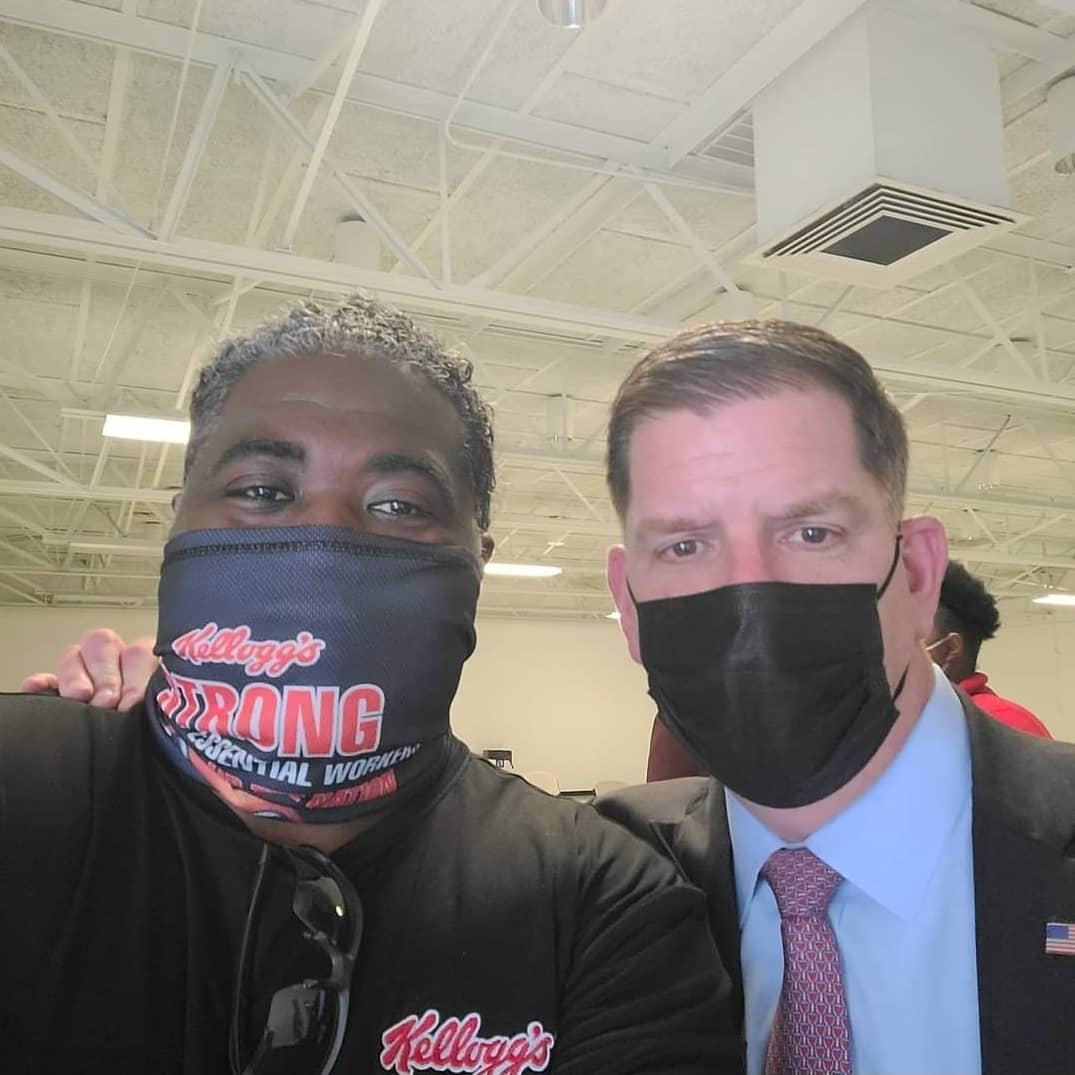
Kevin Bradshaw with U.S. Secretary of Labor Marty Walsh during the 2021 Kellogg's Strike
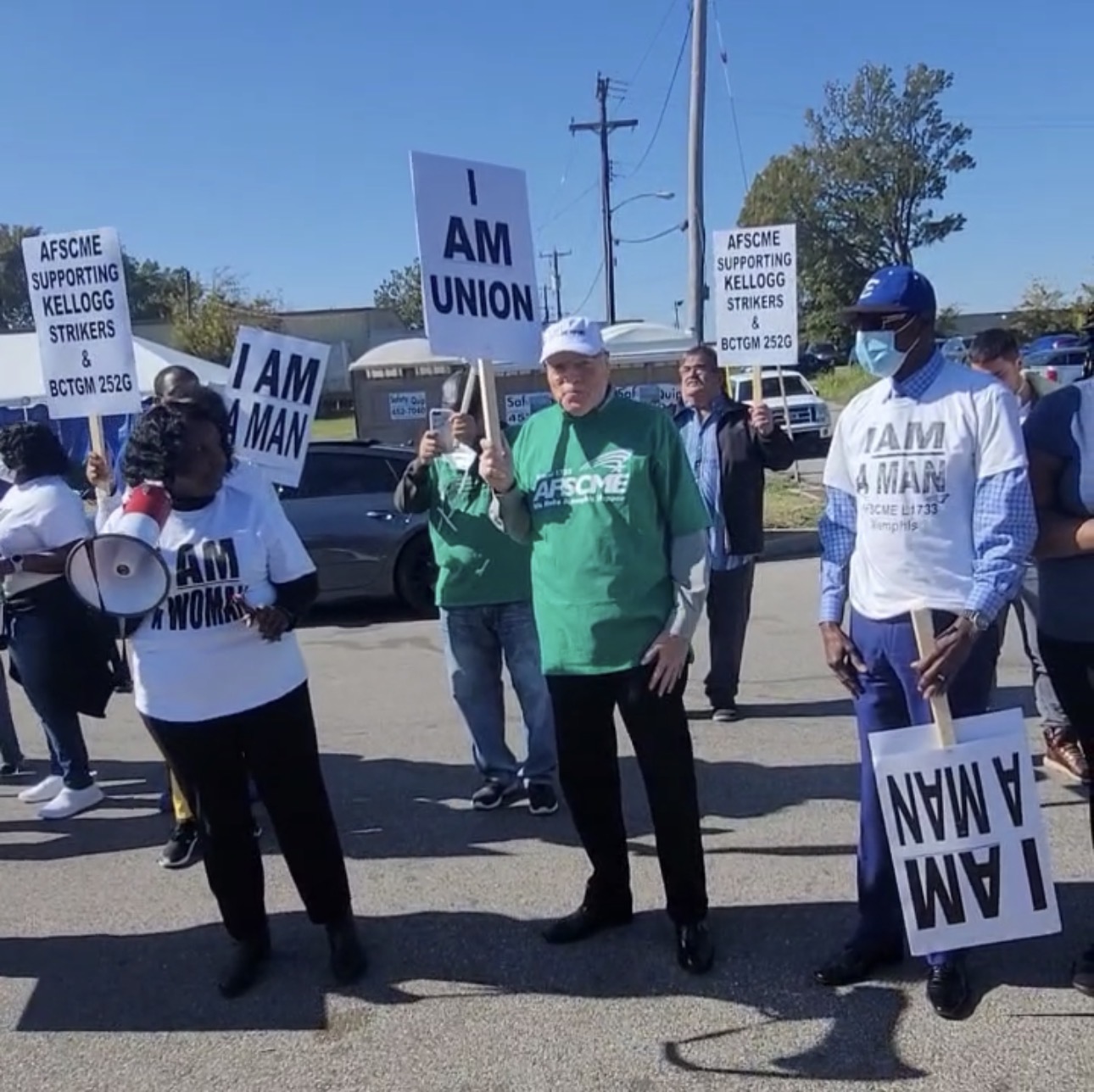
Gail Tyree — living labor legend, former Executive Director of AFSCME 1733 & current Director of Organizing for CWA International — with Rev. Cleo Smith, original 1968 striker and the last one living who was still working for the City of Memphis sanitation department until his death, and AFSCME International President Lee Saunders on the Kellogg's picket line
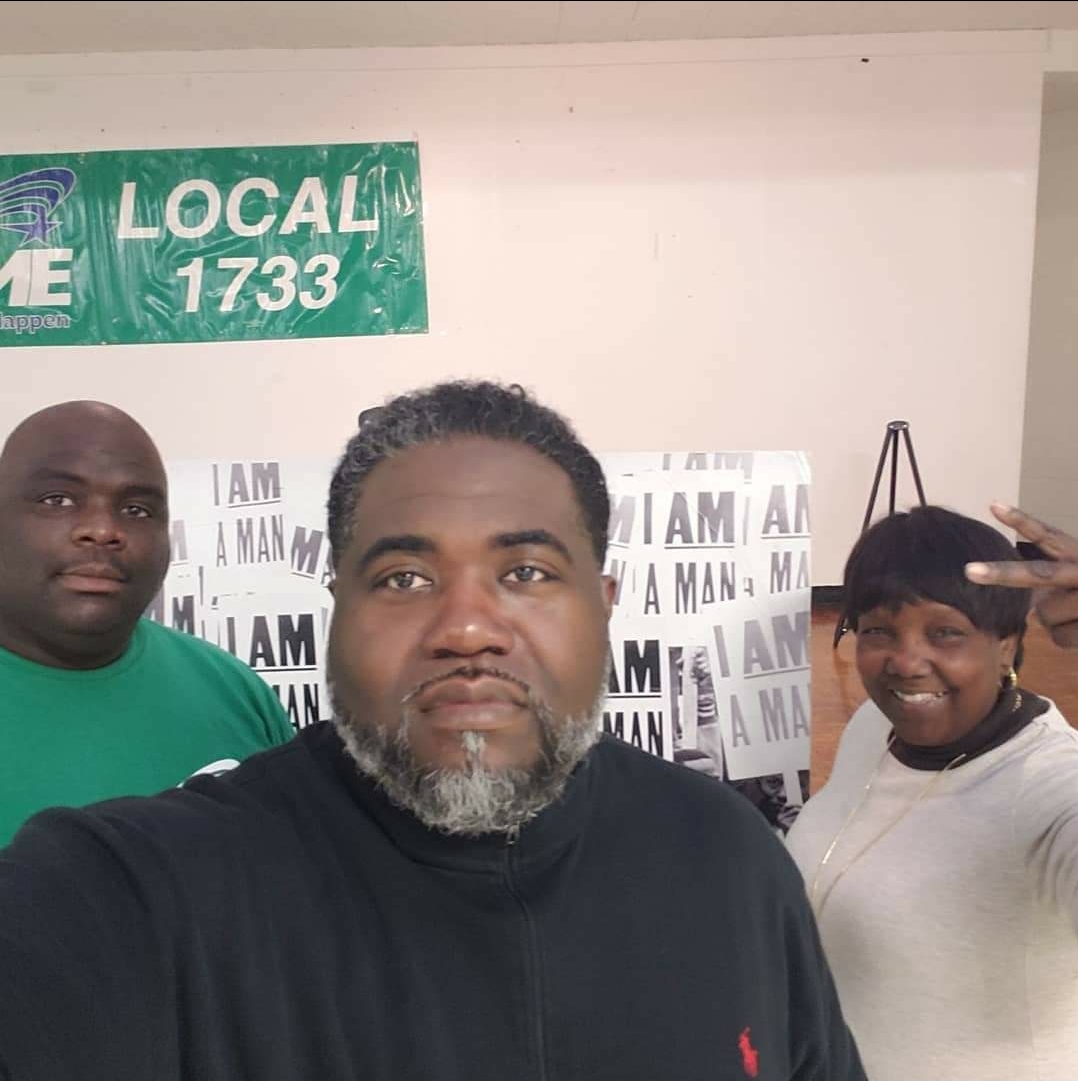
Former AFSCME 1733 President Jason Hunter, Kevin Bradshaw & Gail Tyree at AFSCME Local 1733
In 2021, Kellogg's workers across the country — including Memphis — engaged in a major national strike that gained widespread attention. The company's attempt to expand a two-tier wage system became the central issue, with workers rejecting division and fighting for fairness across all levels. Memphis workers played a critical role by standing firm on the picket line, supporting national solidarity efforts, and representing the strength of Southern labor organizing. After 11 weeks, workers ratified a new contract guaranteeing no plant closures through 2026, wage increases, and a path from two-tier 'transitional' to 'legacy' pay.
Key Issues:
- Two-tier wage system expansion
- Job security concerns
- Demands for fair treatment and better conditions
Outcome: The strike brought national attention to worker issues, pressured corporate leadership, and ended with a ratified 5-year contract with wage increases and no plant closures through 2026.
Through these struggles and beyond, Kevin Bradshaw emerged as a leader committed to defending workers' rights, strengthening union solidarity, educating workers on their power, and building connections between past and present labor movements.
His work extends beyond the picket line — developing labor education platforms, advocating for worker protections, engaging communities across Memphis, and leading within labor organizations.
From the sanitation workers of 1968 to the Kellogg's workers of 2013 and 2021, the message remains the same: workers deserve dignity, fairness, and respect.
"The fight didn't end in 1968 — and it didn't end in 2021. It continues every day workers stand together."
Closing Statement
Memphis did not just make labor history.
Memphis continues to live it.
From the sanitation workers who declared "I AM A MAN" to today's workers demanding fairness and respect — the fight continues.
And that movement continues today through every worker who walks a picket line, speaks up for fairness, and organizes for change.
"The labor movement in Memphis is not finished — it is evolving. And through leadership, education, and action, the legacy remains strong for future generations."
— Kevin Bradshaw
Standing on Their Shoulders
Community Elders & Visionaries
Some people shape your life not through titles or positions, but through wisdom, presence, and an unwavering commitment to building stronger communities. These elders have been a guiding force — sharing the vision, setting the example, and proving that real leadership is about lifting others.
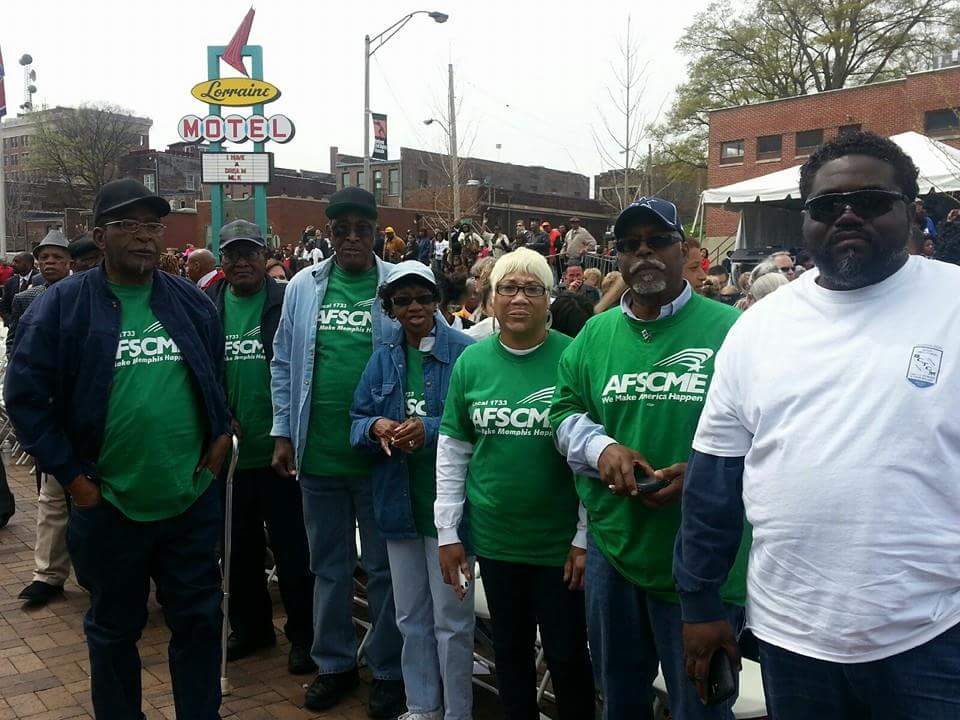
AFSCME Local 1733 members and community leaders at the Lorraine Motel — standing on the shoulders of the 1968 strikers
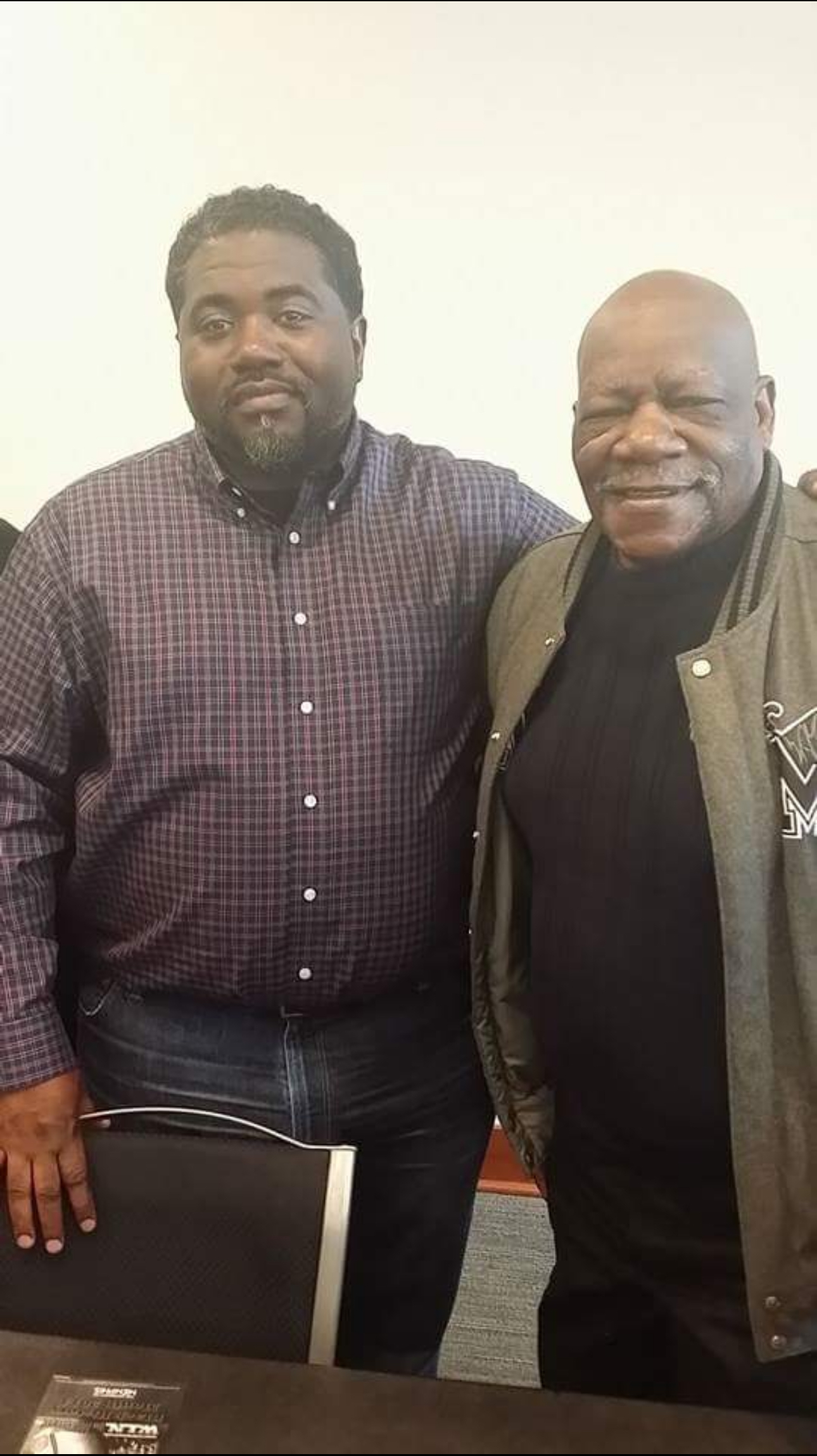
Kevin Bradshaw with AFSCME 1968 striker Mr. Alvin Turner
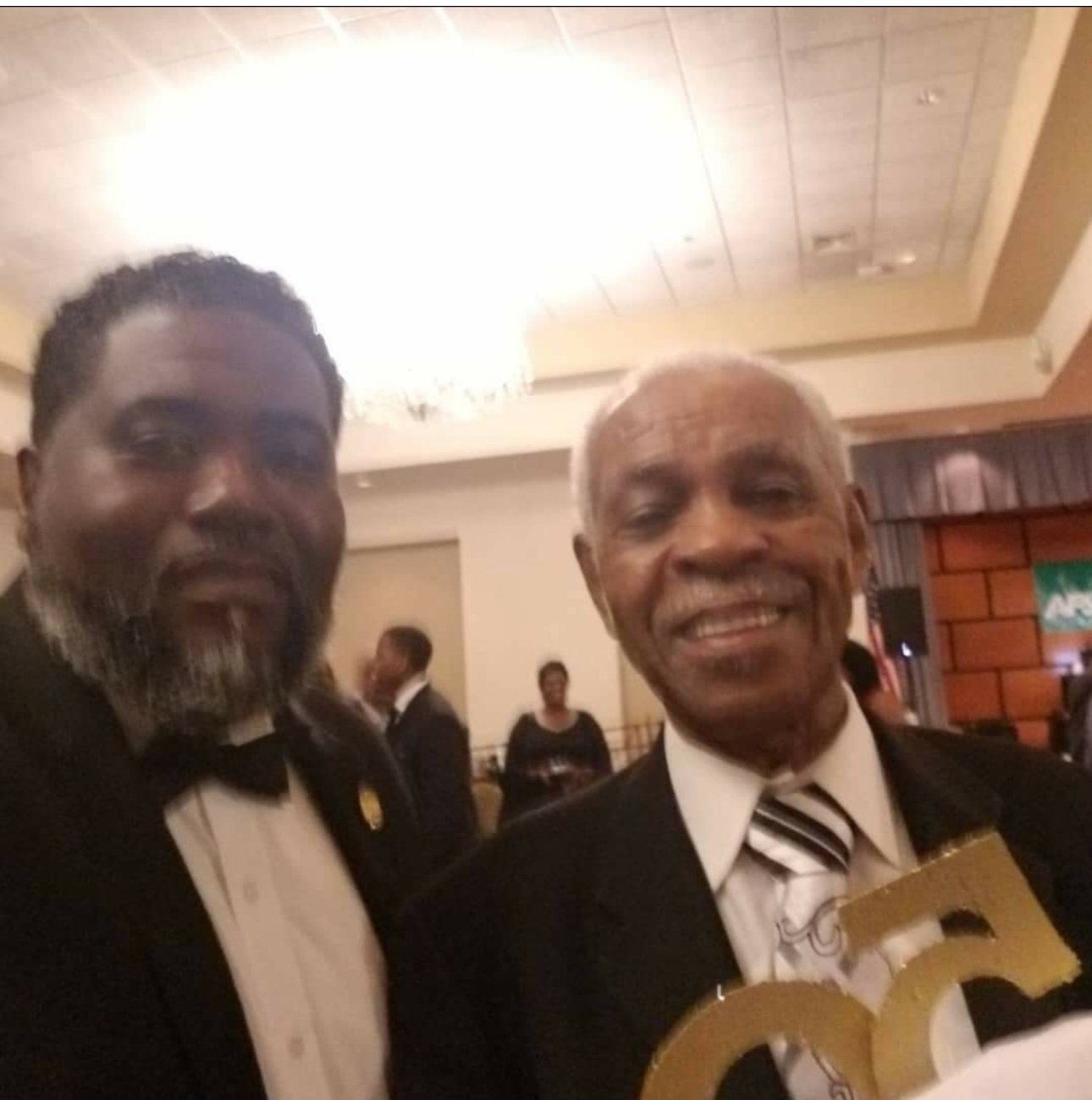
Kevin Bradshaw with Elmore Nickelberry — original 1968 sanitation striker, at the AFSCME 50th anniversary celebration
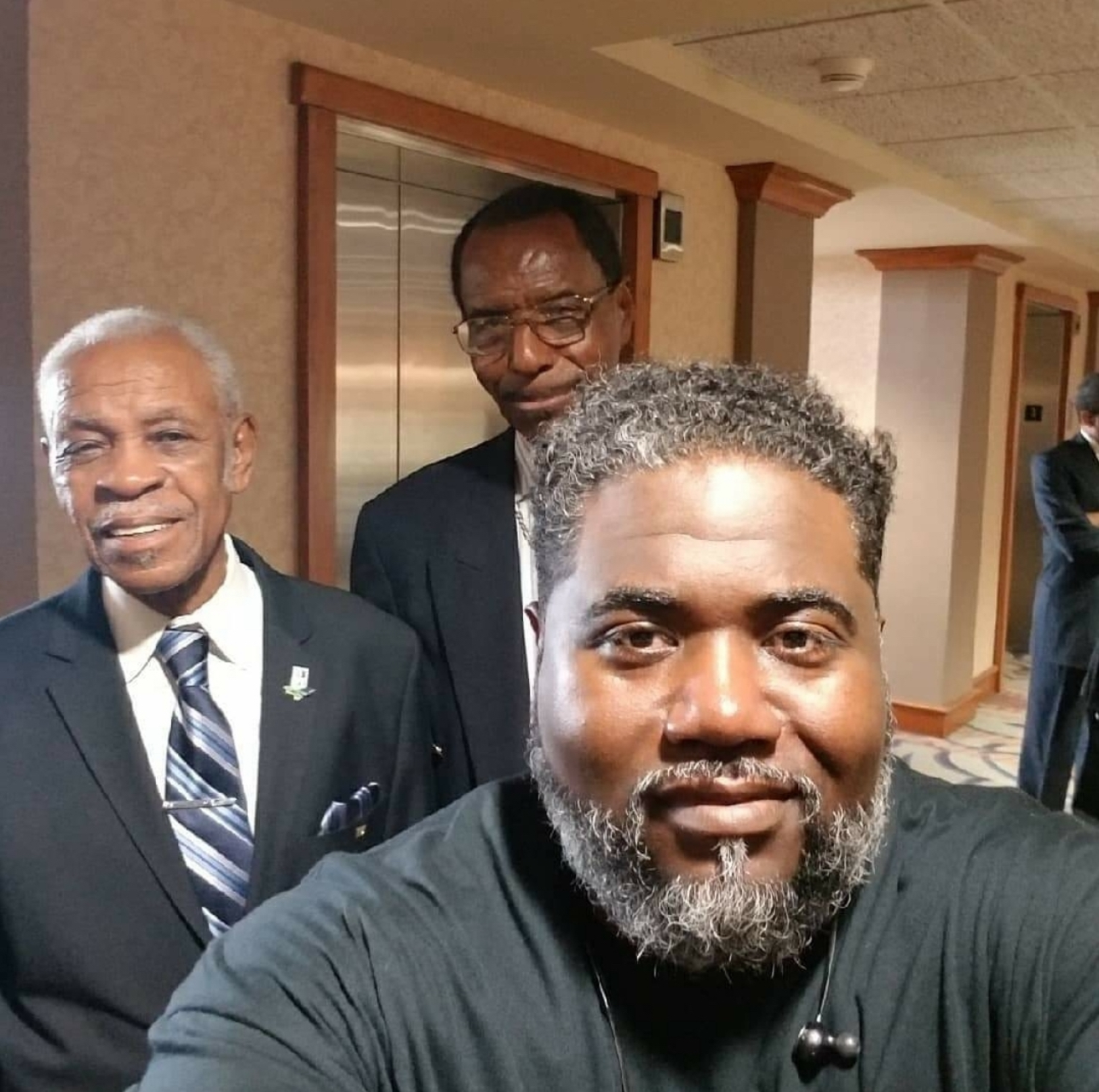
Kevin Bradshaw with AFSCME 1968 strikers Mr. Elmore Nickelberry & Rev. Cleo Smith
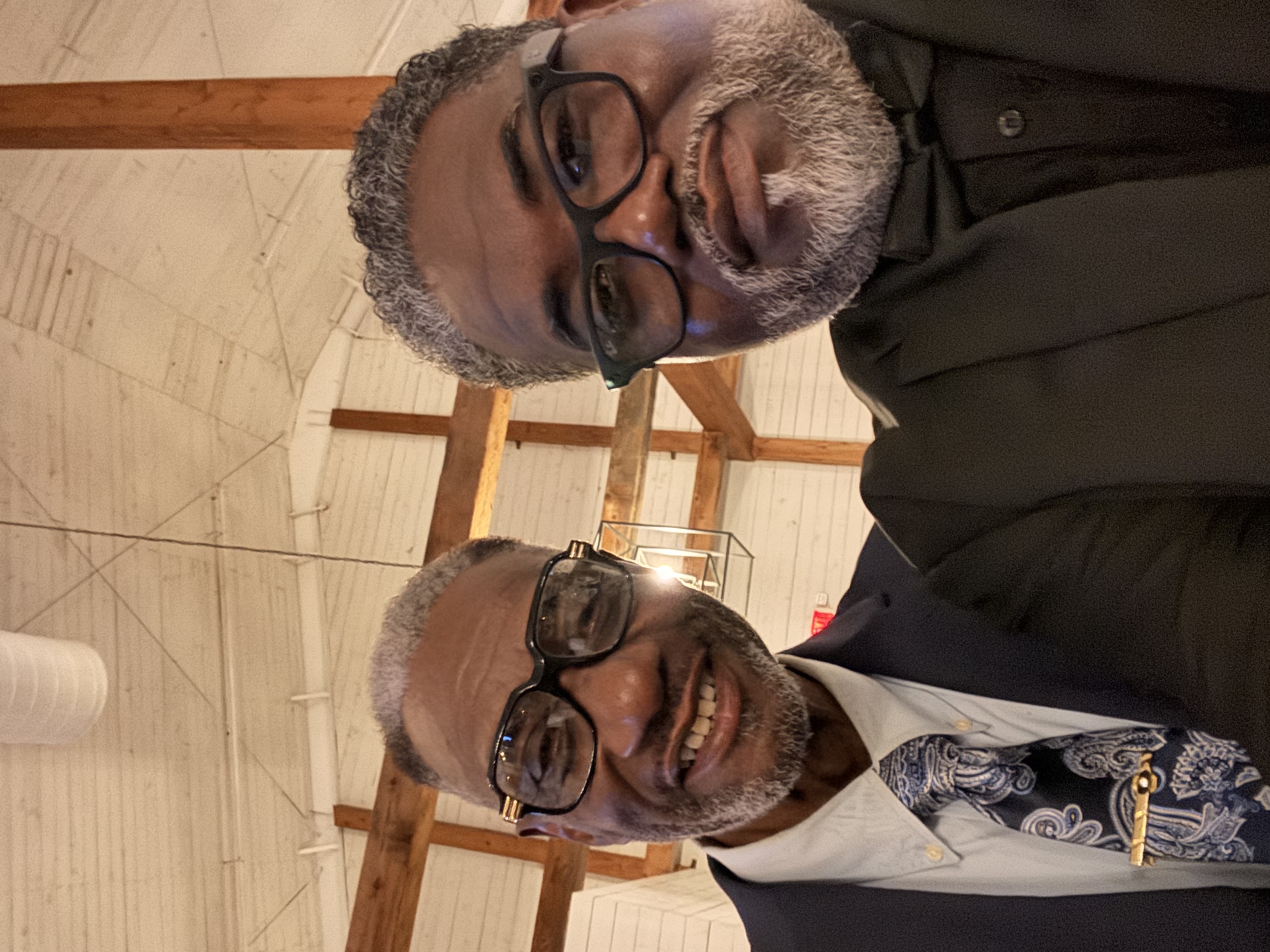
Kevin Bradshaw with Henry Perry — Former President of the Teamsters
Dr. Clifford Black
Educator & Founder, Super Learning Literacy Class
Dr. Carolyn Bell
Community Visionary & Leader
"Their wisdom built the foundation. Their vision lights the way forward."
The Movement Continues
Young Leaders Building Stronger Communities
The labor movement and the fight for stronger communities didn't stop with one generation. These young leaders are stepping up — organizing, advocating, and building the Memphis that working people deserve. They carry the torch forward with energy, courage, and a deep commitment to justice.
Sweetrica Baker
Community Leader & Organizer
Antonio Cathey
Community Leader & Organizer
Keedran Franklin
Community Organizer & Activist
Richard Massey
Community Organizer & Activist
Victoria Terry
Community Leader/Organizer
Jayanni Webster
Community Organizer/Activist
State Rep. Justin Pearson
Tennessee State Representative
State Rep. Justin Jones
Tennessee State Representative
Britney Thornton
Shelby County Commissioner
Rob Brown
Business Owner & Community Activist
LJ Abraham
Community Activist
Judge Taylor Bachelor
Memphis Judge
These are only a few of the young leaders building stronger communities — there are many more not listed here. They know who they are.
We apologize for not listing everyone, but know this: your work matters, your voice matters, and your fight matters.
Never give up your voice. Unity is your superpower.
"The fight didn't end with us — it lives on through them. And that's how we know the movement is strong."
 Translate