UFCW Local 1529 — Gold Sponsor
★ GOLD SPONSOR ★

UFCW Local 1529

Standing strong for working families

Powering · Labor Education

Install Union Strong

Get the full app on your home screen — works offline, no app store needed.

THE SOUTH GOT SOMETHING TO SAYTake the Pledge
AMERICAN LABOR POWER • THE MEMPHIS LINEAGE

The Four Pillars

Black leaders whose work built the labor movement for every worker in America.

Four lives. One unbroken chain. From Randolph's first march that never marched, to Rustin's ten days that built the largest demonstration in American history, to Lawson's basement classroom in Nashville, to Bill Lucy putting four words on a sign in Memphis — I AM A MAN.

These are not statues. They are working tools. Read them. Use them. Pass them to the next steward, the next clergy member, the next worker on your shift.

Why this page exists

Most labor history books treat these four men as separate chapters. They were not separate. They knew each other. They worked together. They handed the work, hand-to-hand, from the porter's car to the bus boycott to the Nashville lunch counter to the Memphis sanitation truck.

Randolph taught Rustin. Rustin taught Lawson. Lawson trained Lucy's generation in the Nashville basement and then came to Memphis in 1968 because Lucy was already there. That chain is the lineage of Black labor power in America. It runs straight through this city.

Memphis is the only city in America where all four of these lineages converge. Randolph sent Lucy. Rustin sent Lawson. Lawson trained the marshals. Lucy printed the signs. Together they made the strike that brought Dr. King to the Lorraine Motel — and the strike that built the modern Memphis labor movement.

The chain, hand to hand

1925
Randolph organizes the Brotherhood of Sleeping Car Porters
First successful Black-led union. The institutional foundation everything else builds on.
1941
Randolph forces Executive Order 8802
FDR signs the first federal anti-discrimination employment order to prevent Randolph's threatened march on Washington.
1948
Randolph forces Executive Order 9981
Truman desegregates the U.S. Armed Forces under Randolph's threat to refuse a segregated draft.
1955
Rustin arrives in Montgomery
Spends six months teaching Dr. King the Gandhian method. The Montgomery Bus Boycott becomes a nonviolent campaign.
1959-60
Lawson opens the Nashville workshops
Trains 200 students. The Nashville sit-ins integrate the lunch counters. The Freedom Rides and Selma marchers all came through this basement.
1963
Rustin organizes the March on Washington
Randolph opens the program. 250,000 people. King's 'I Have a Dream.' Ten days of preparation.
1965
Randolph & Rustin co-found the A. Philip Randolph Institute
The institutional spine of the Black labor-civil rights coalition.
1968
Lawson and Lucy converge on Memphis
Sanitation workers strike. Lawson runs the discipline. Lucy creates the 'I AM A MAN' signs. Dr. King comes here at Lawson's invitation and never leaves.
1972
Lucy co-founds the Coalition of Black Trade Unionists
CBTU becomes the institutional home of Black labor leadership inside the AFL-CIO. Lucy serves as its president until 2014.
2024
Lawson and Lucy go home
Both die within five months of each other. The work they handed us did not retire with them.
THE LINEAGE LIVES • MEMPHIS 2026

The chain ends in Memphis hands.

Randolph trained Rustin. Rustin trained Lawson. Lawson trained Caldwell. Lucy chartered the council Bradshaw now leads. Randolph and Rustin chartered the institute Moore now leads. The work of 1925, 1941, 1948, 1963, and 1968 still has a postal address in Memphis, Tennessee.

DON'T JUST READ THE HISTORY — JOIN IT

Join the Legacy

Two of the Four Pillars built organizations that are alive in Memphis right now — and they need members. Takes two minutes. A chapter leader follows up with you directly.

JOIN THE INSTITUTE RANDOLPH BUILT

APRI Memphis

A. Philip Randolph Institute · Founded 1965 by A. Philip Randolph & Bayard Rustin

Randolph and Rustin built APRI to keep the March on Washington marching — permanently linking the labor movement and the Black community. Today's fights over voting rights, wages, and worker power are exactly what it was built for.

Register voters and run get-out-the-vote drives in working-class Memphis
Bridge unions and the community on jobs, justice, and civil rights
Develop the next generation of Black labor-civil rights leaders

Open to union members, retirees, students, and community allies.

Age group (optional — helps the chapter plan outreach)

Learn more about APRI Memphis
JOIN THE COALITION LUCY BUILT

CBTU Memphis

Coalition of Black Trade Unionists · Founded 1972 — Bill Lucy served as president for four decades

Bill Lucy printed the I AM A MAN signs in 1968 — then built CBTU so Black workers would always have an independent voice inside the labor movement. With Black workers concentrated in the jobs under attack today, that voice matters more than ever.

Fight for Black worker power in every union, every contract, every workplace
Train and mentor young trade unionists into leadership
Mobilize on economic justice, health equity, and voter protection

Open to trade unionists of every union — and allies who stand with them.

Age group (optional — helps the chapter plan outreach)

Learn more about CBTU Memphis
MEMPHIS LABOR TORCH CARRIERS

Other leaders carrying the Memphis labor torch right now.

Not every torchbearer maps to one of the four pillars. These are Memphis labor leaders building power for working families across every union, every industry, every contract — today.

CARRIES THE TORCH

Adrian Rogers

President, AFSCME Local 1733
Delegate to the Memphis & West Tennessee Central Labor Council
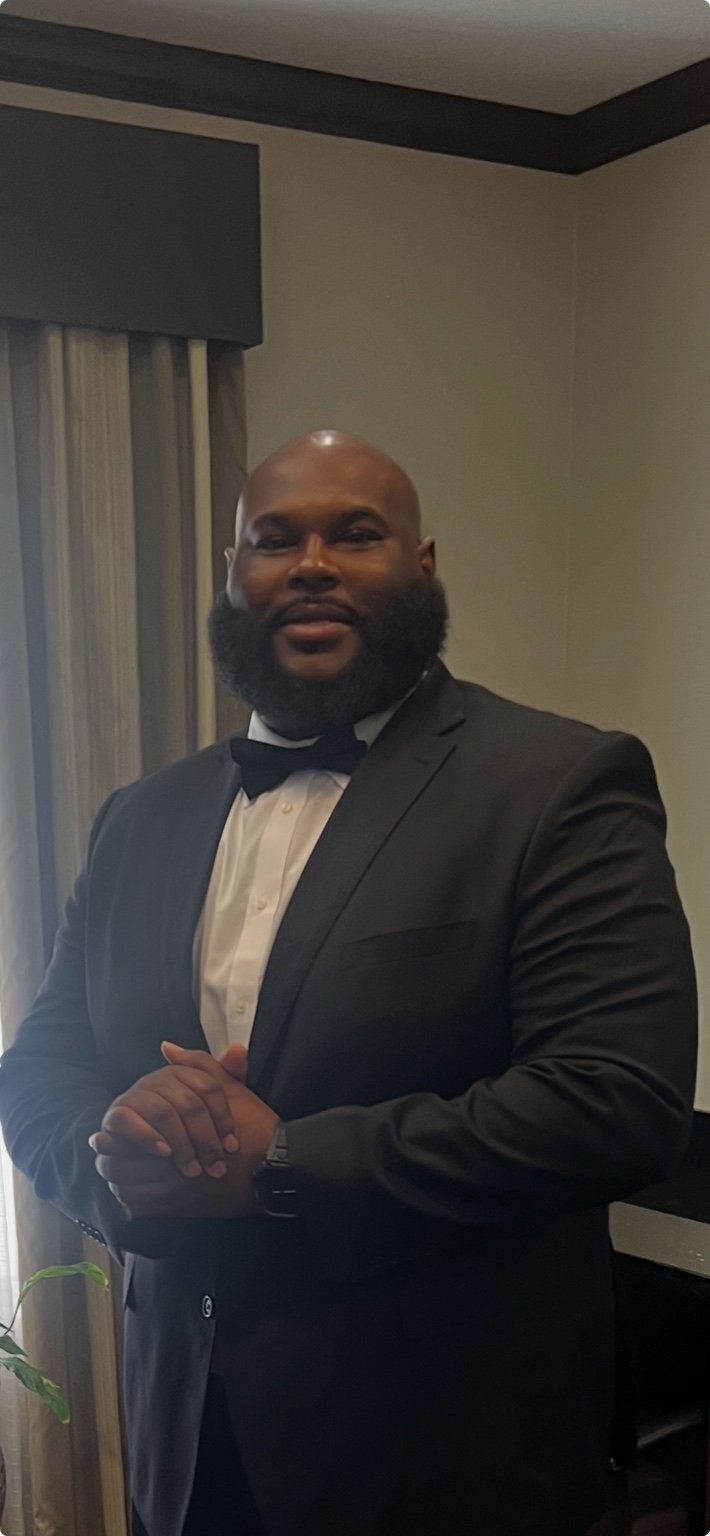
Adrian Rogers — photo 1
President Adrian Rogers, AFSCME Local 1733.
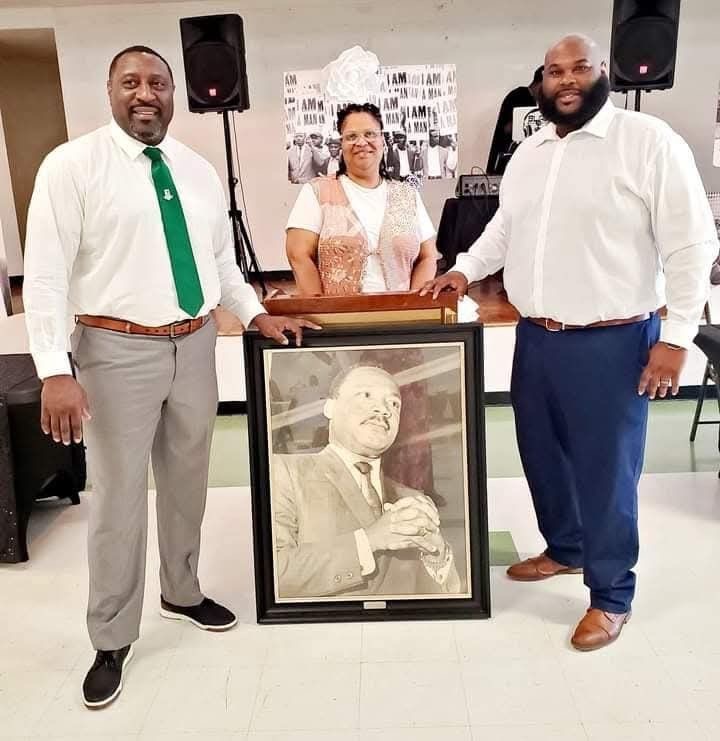
Adrian Rogers — photo 2
AFSCME Local 1733 leadership — Maurice Spivey (senior staff representative), Vice President Vita West, and President Adrian Rogers — with a portrait of Dr. King beneath the 1968 "I AM A MAN" banner.
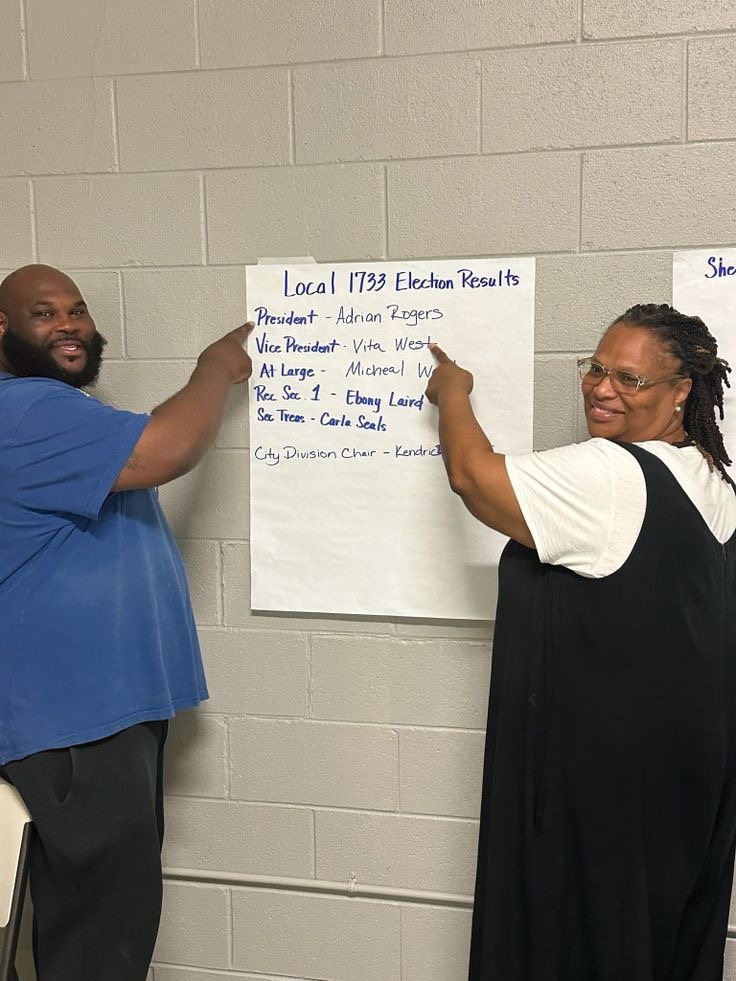
Adrian Rogers — photo 3
Local 1733 election results — Adrian Rogers elected President and Vita West elected Vice President, carrying the union's leadership forward.
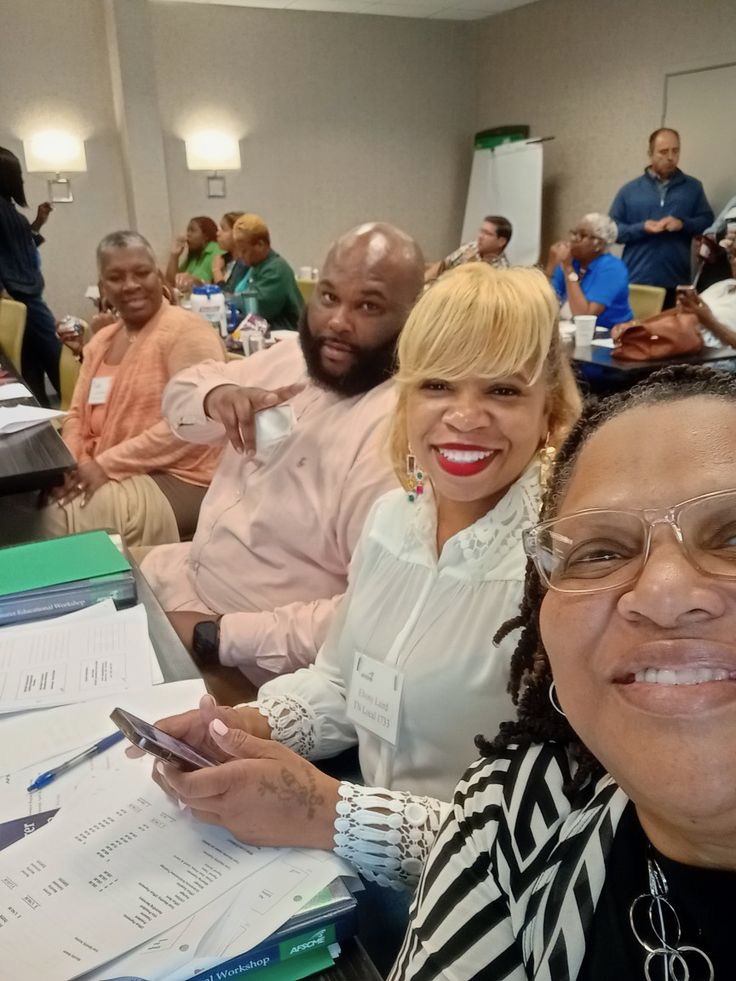
Adrian Rogers — photo 4
President Adrian Rogers and Vice President Vita West at an AFSCME educational workshop — investing in member training and leadership development.
Adrian Rogers — photo 5
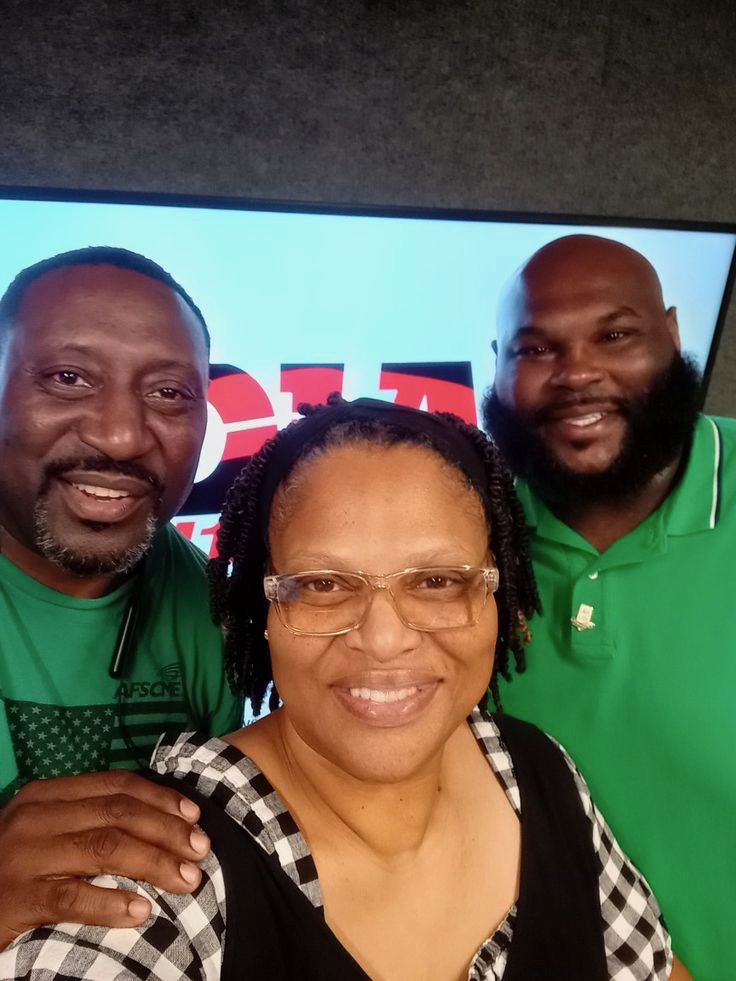
Vice President Vita West, President Adrian Rogers, and senior staff representative Maurice Spivey repping the AFSCME green.

Adrian Rogers leads the most storied local in the American labor movement — AFSCME Local 1733, the Memphis sanitation workers' union whose 1968 strike behind the words "I AM A MAN" gave the entire labor movement its conscience.

As President, he has been a strong and steady voice for the members of Local 1733 and a relentless advocate in the ongoing fight to get Memorandums of Understanding (MOUs) signed by the City of Memphis — a city that says it appreciates and respects labor, yet still refuses to put its commitments in writing.

He carries the 1968 torch forward every day: holding the City of Memphis and Shelby County accountable, defending the dignity of public-service workers, and reminding Memphis that the promises made on the strike line are not yet fully kept.
UNION WEBSITElocal1733.org
James E. Jones III
CARRIES THE TORCH

James E. Jones III

President / Business Agent, Teamsters Local 667
Vice President, Memphis & West Tennessee Central Labor Council
James E. Jones III — photo 1
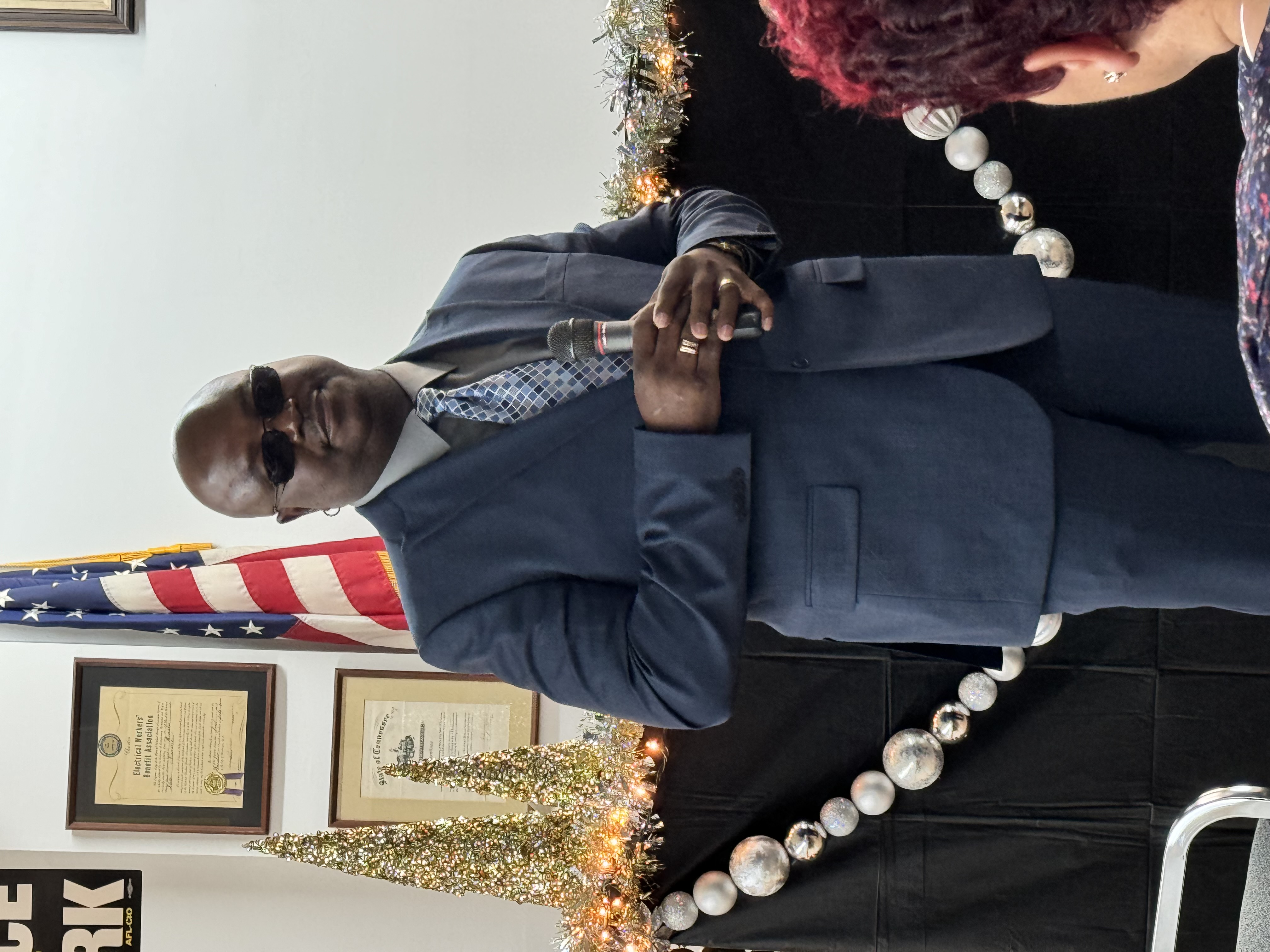
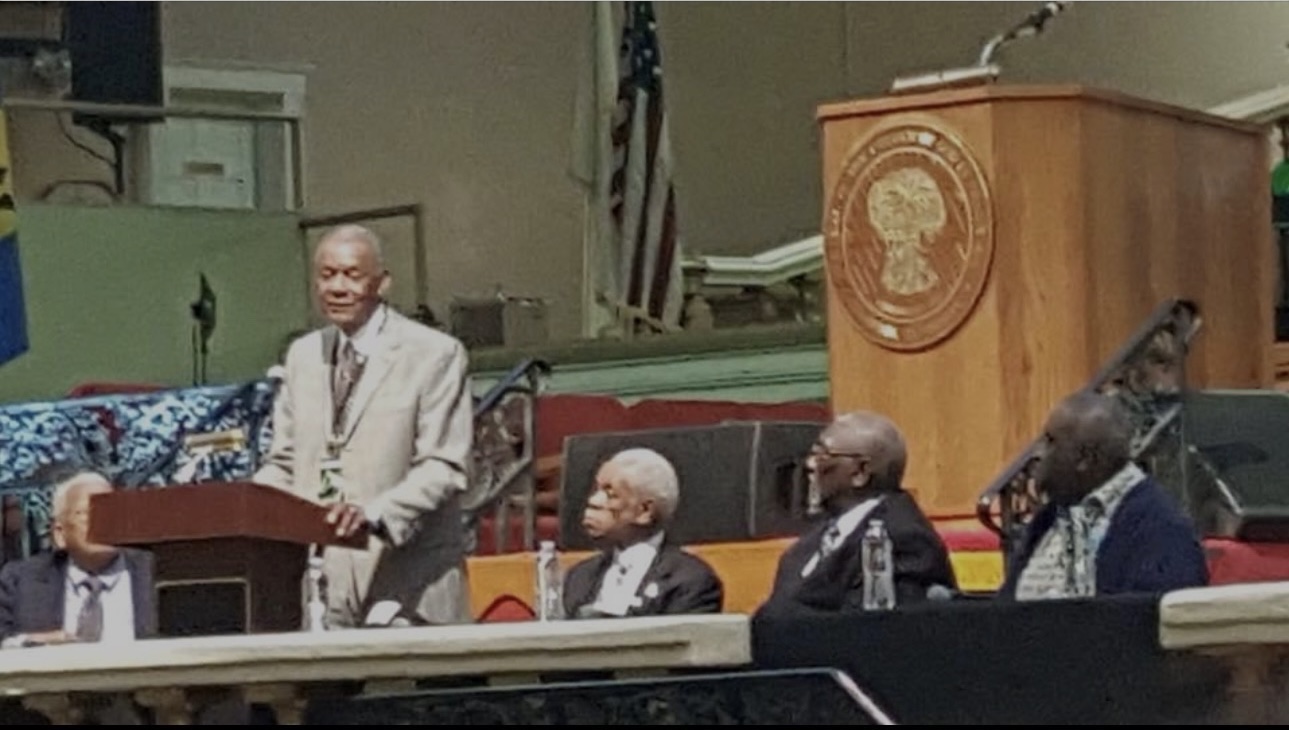
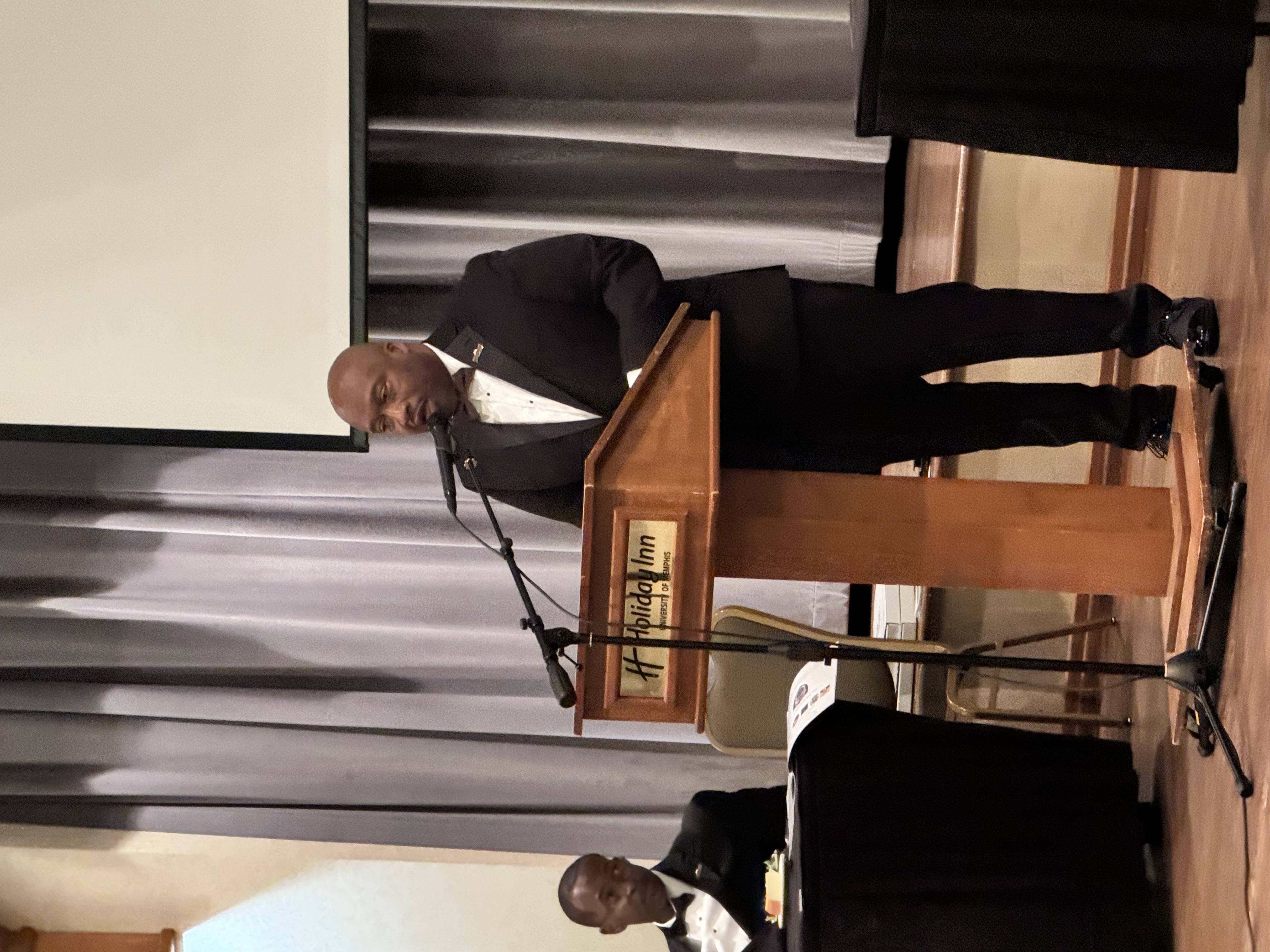
President James E. Jones III addressing the Memphis CLC at the Holiday Inn — University of Memphis.
James E. Jones III — photo 2
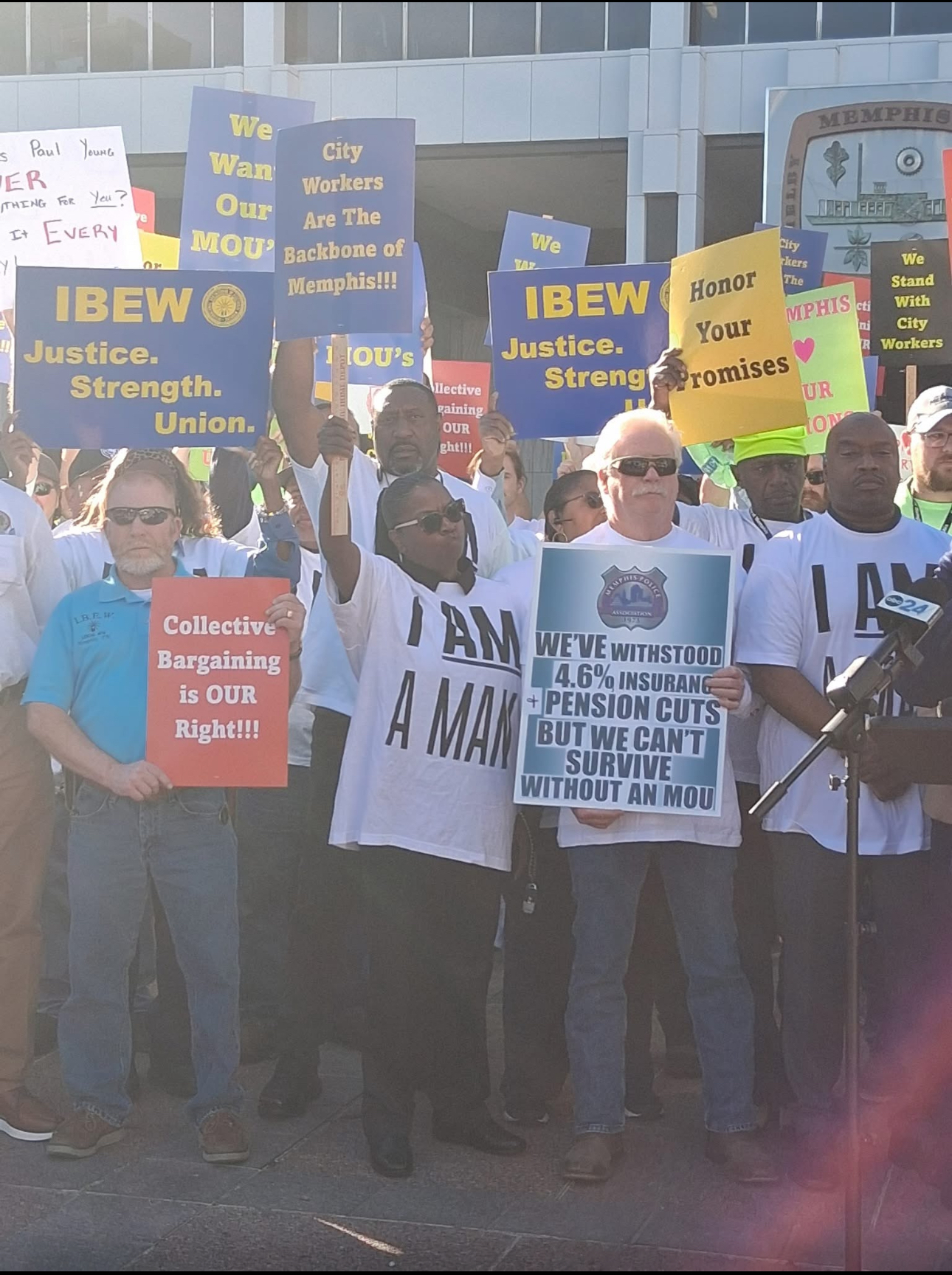
President James E. Jones III standing with Memphis city workers and IBEW at the collective-bargaining rally — "I AM A MAN" signs still on the line.
James E. Jones III — photo 3
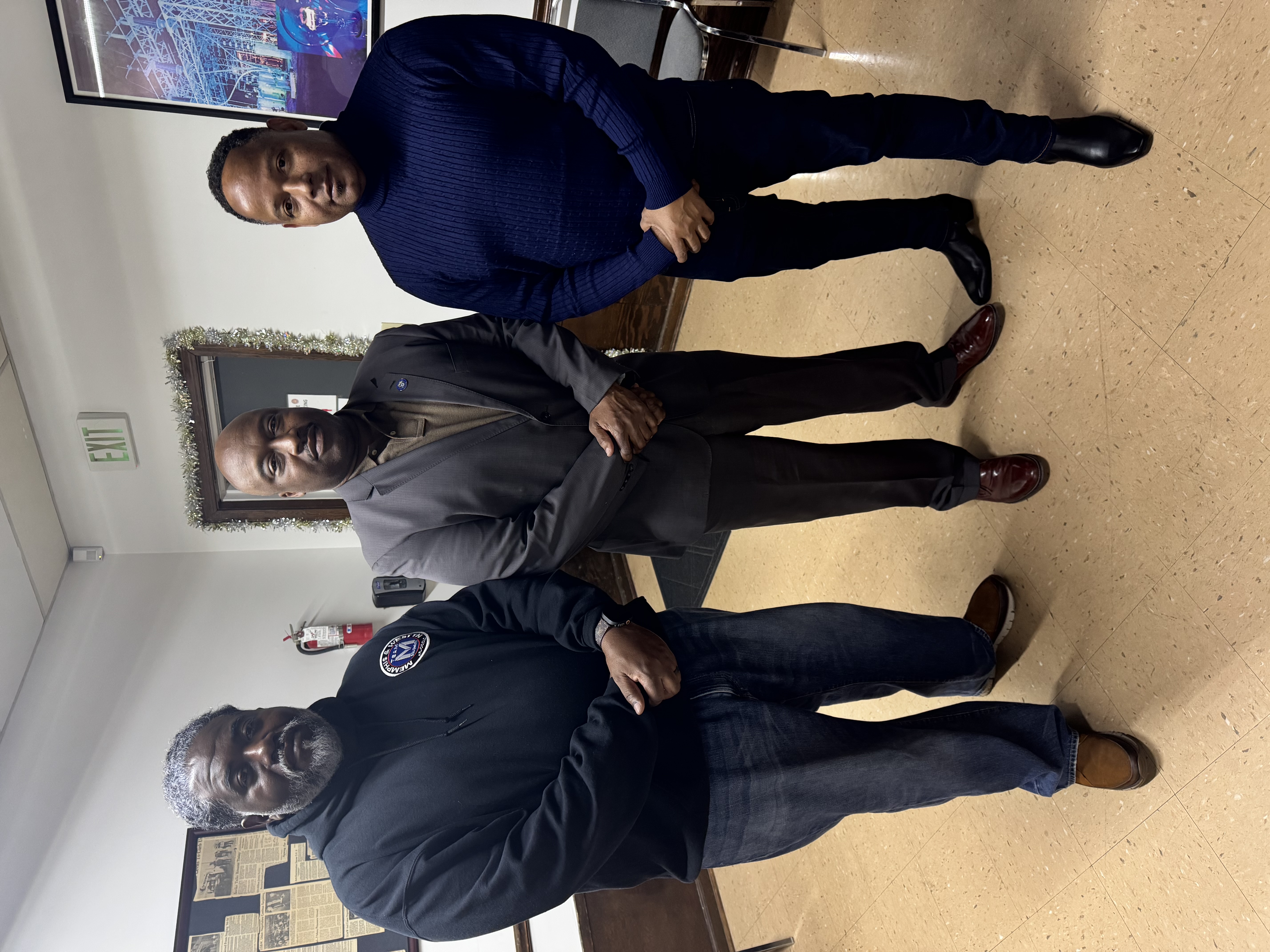
President James E. Jones III (center) with brothers in labor at the Local 667 hall.
James E. Jones III — photo 4
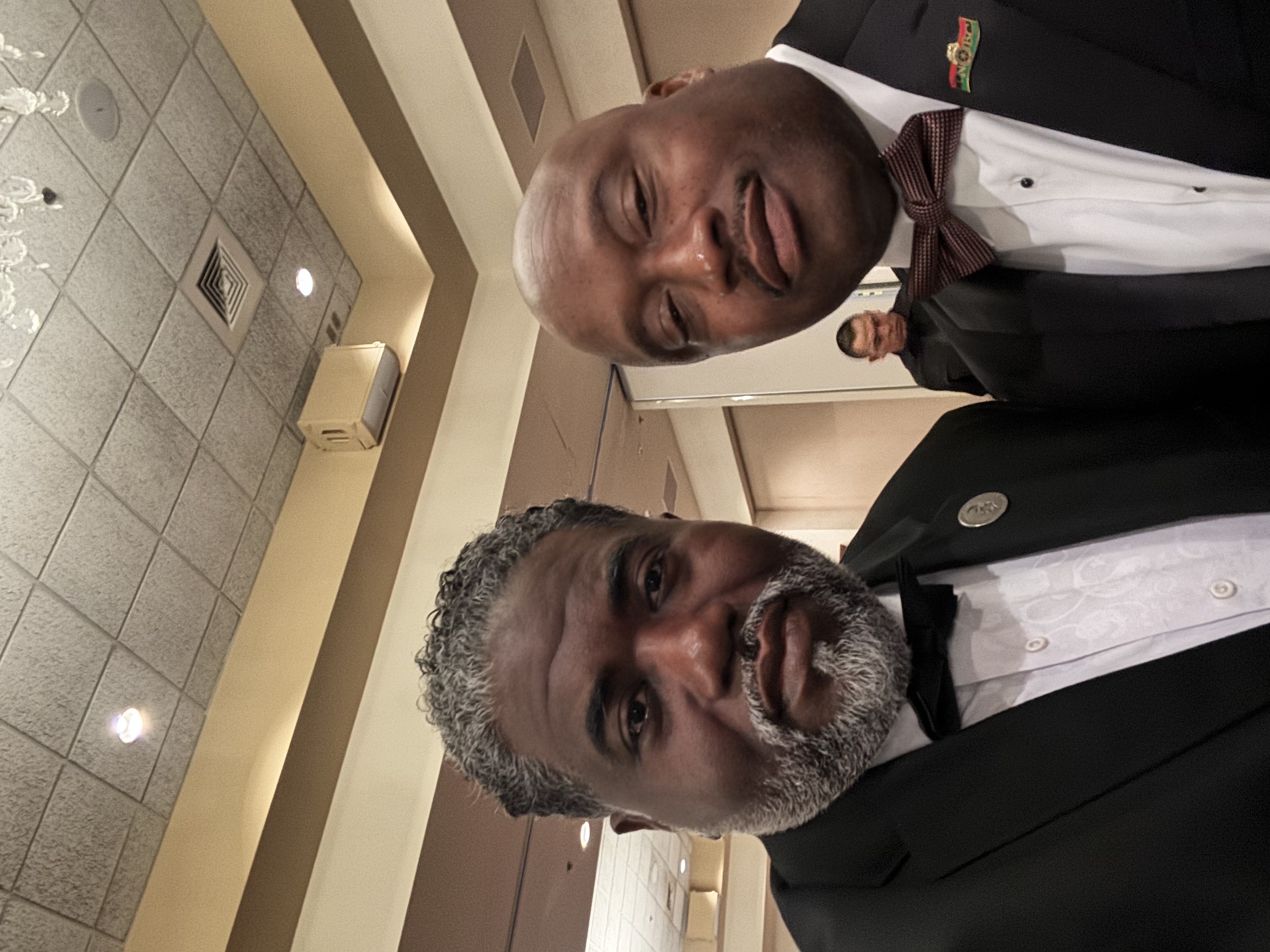
President James E. Jones III with President Kevin Bradshaw at the Memphis CLC banquet.
James E. Jones III — photo 5
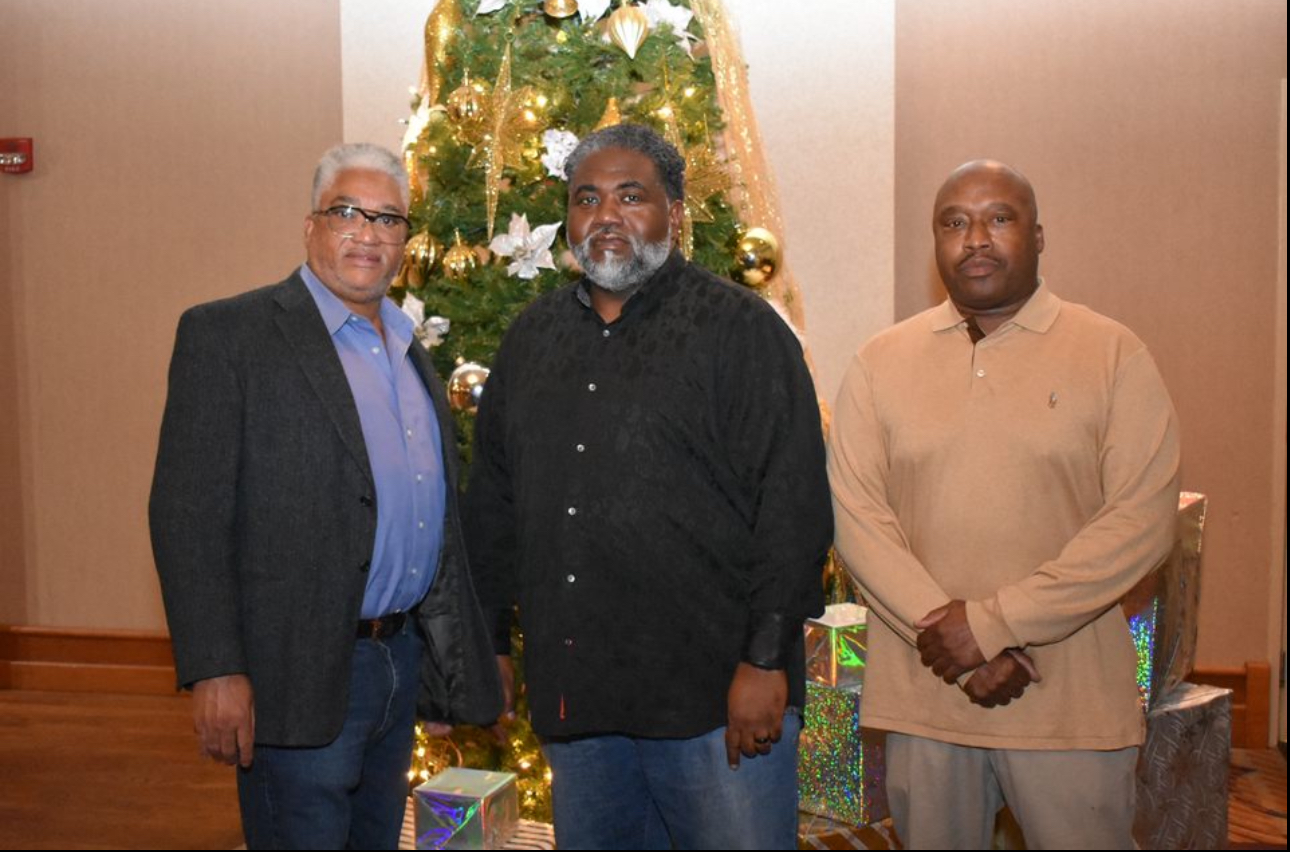
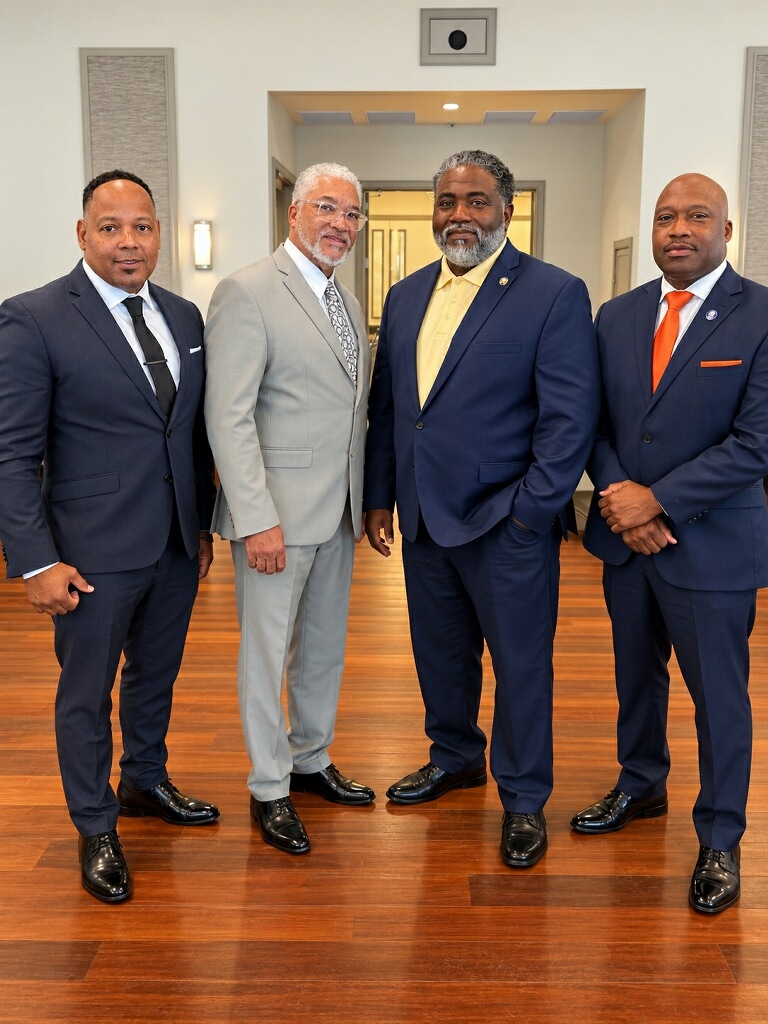
President James E. Jones III (center) with fellow Memphis labor leaders.

Second-generation Teamster. UPS worker since 1990 — served 12 years as steward and 5 years as chief steward before being elected President of Teamsters Local 667 in 2016. Now concurrently serves as Vice President of the Memphis & West Tennessee Central Labor Council.

Under his leadership, Local 667 has grown into one of the strongest labor forces in the Mid-South — representing UPS drivers, sanitation and waste workers, freight haulers, distribution and school bus workers across Memphis.

In April 2023 he led a 9-day strike at Republic Services that won members up to 28% in wage increases over five years — a fight that echoed the 1968 sanitation workers' demands for dignity and safety on the job. In 2023 he also made Dr. Martin Luther King Jr. an honorary Local 667 member on the 55th anniversary of his assassination, and awarded plaques to descendants of the original 1968 strikers.

James puts labor first — always.

CARRIES THE TORCH

Corey Hester

Business Agent IBEW Local 1288
Sergeant at Arms / E-Board Member, Memphis & West Tennessee CLC
Corey Hester — photo 1
Corey Hester addressing members at the IBEW Local 1288 Union Hall.
Corey Hester — photo 2
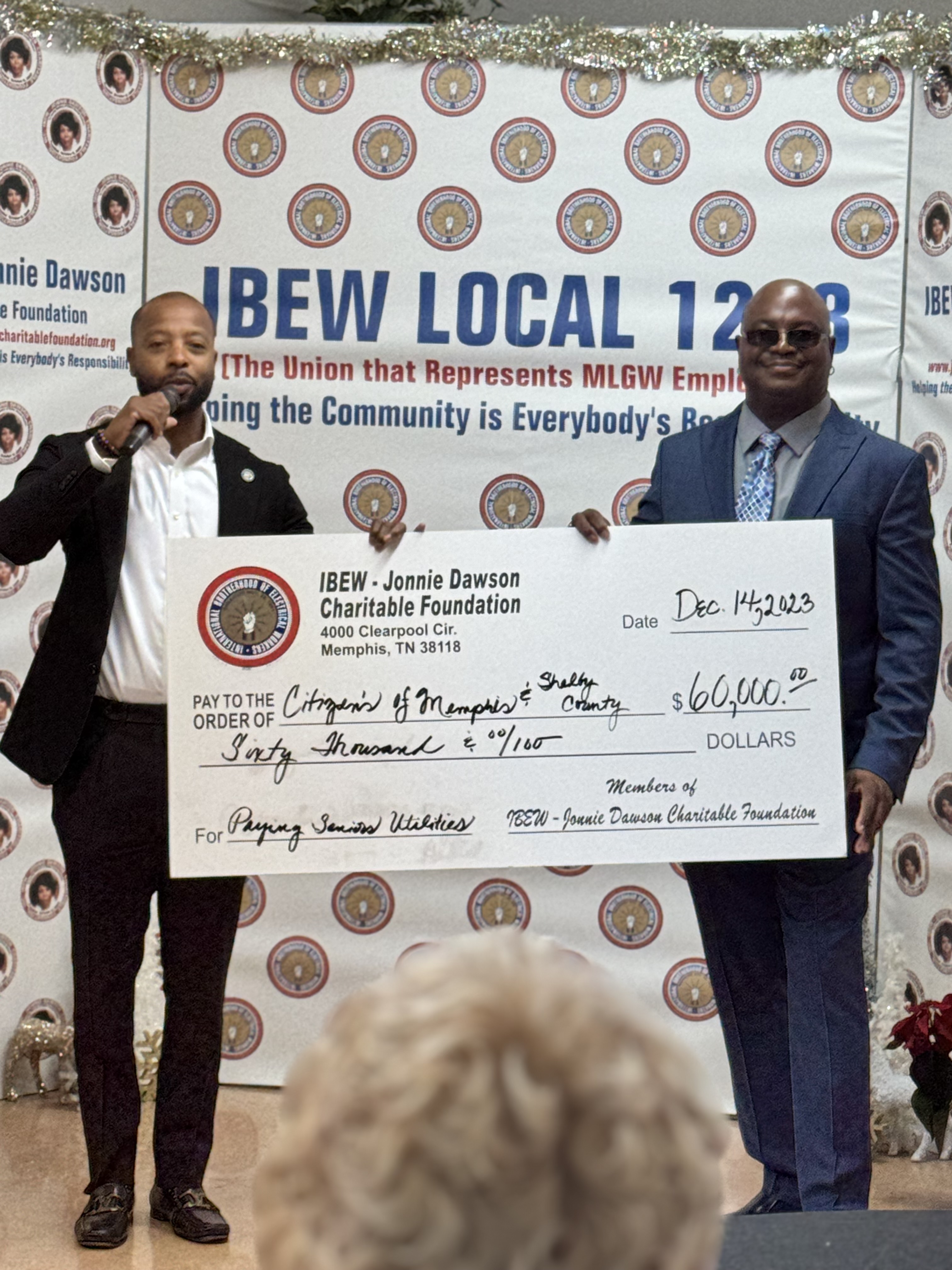
Shelby County Commissioner Mickell Lowery (left, Democratic Nominee for County Mayor) and Corey Hester (right) presenting a $60,000 check from the IBEW–Jonnie Dawson Charitable Foundation to pay senior citizens' electric bills — Dec. 14, 2023.
Corey Hester — photo 3
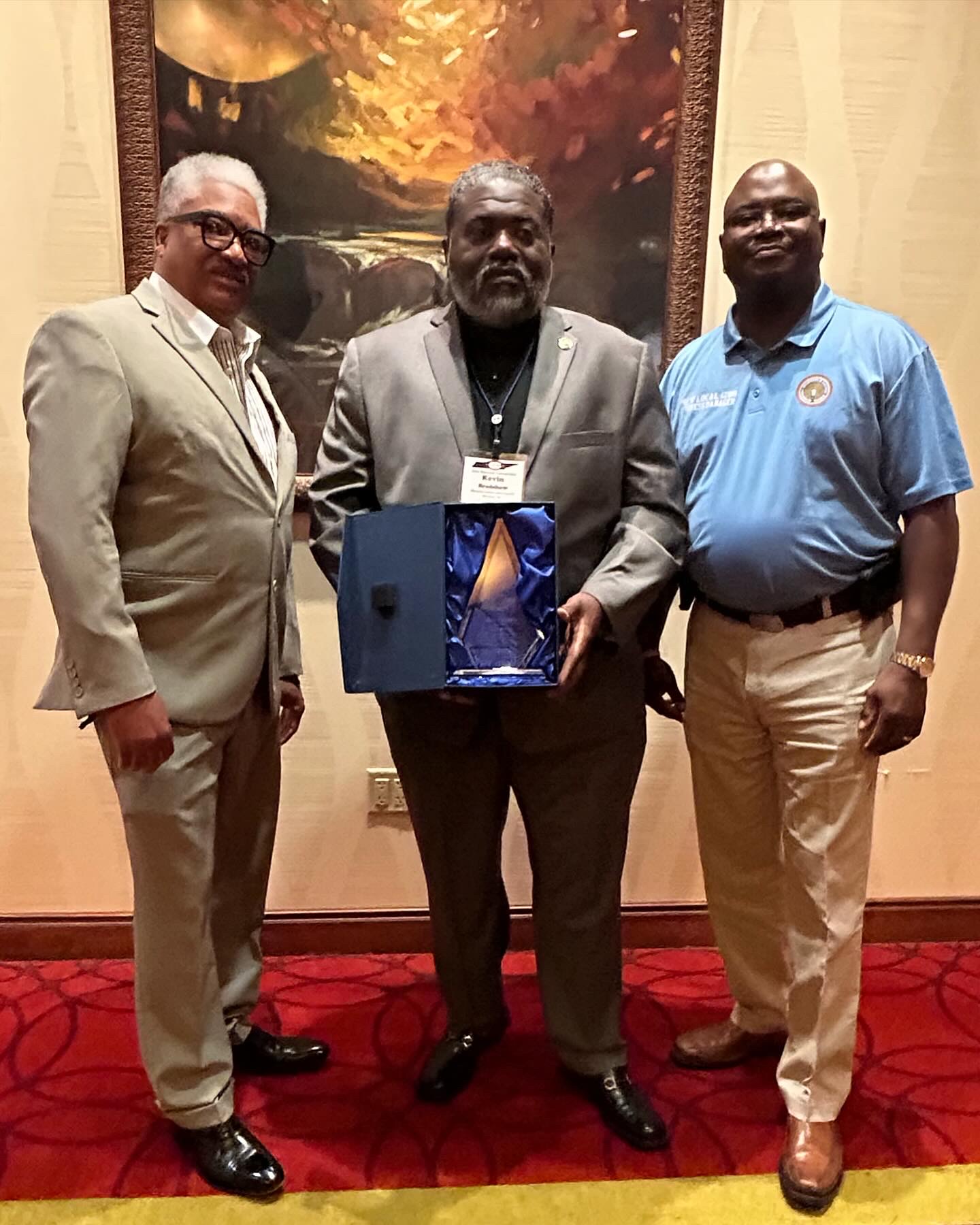
Kermit Moore (left), President Kevin Bradshaw (center) receiving the TN State AFL-CIO Convention Presidential Award, and Corey Hester (right).
Corey Hester — photo 4
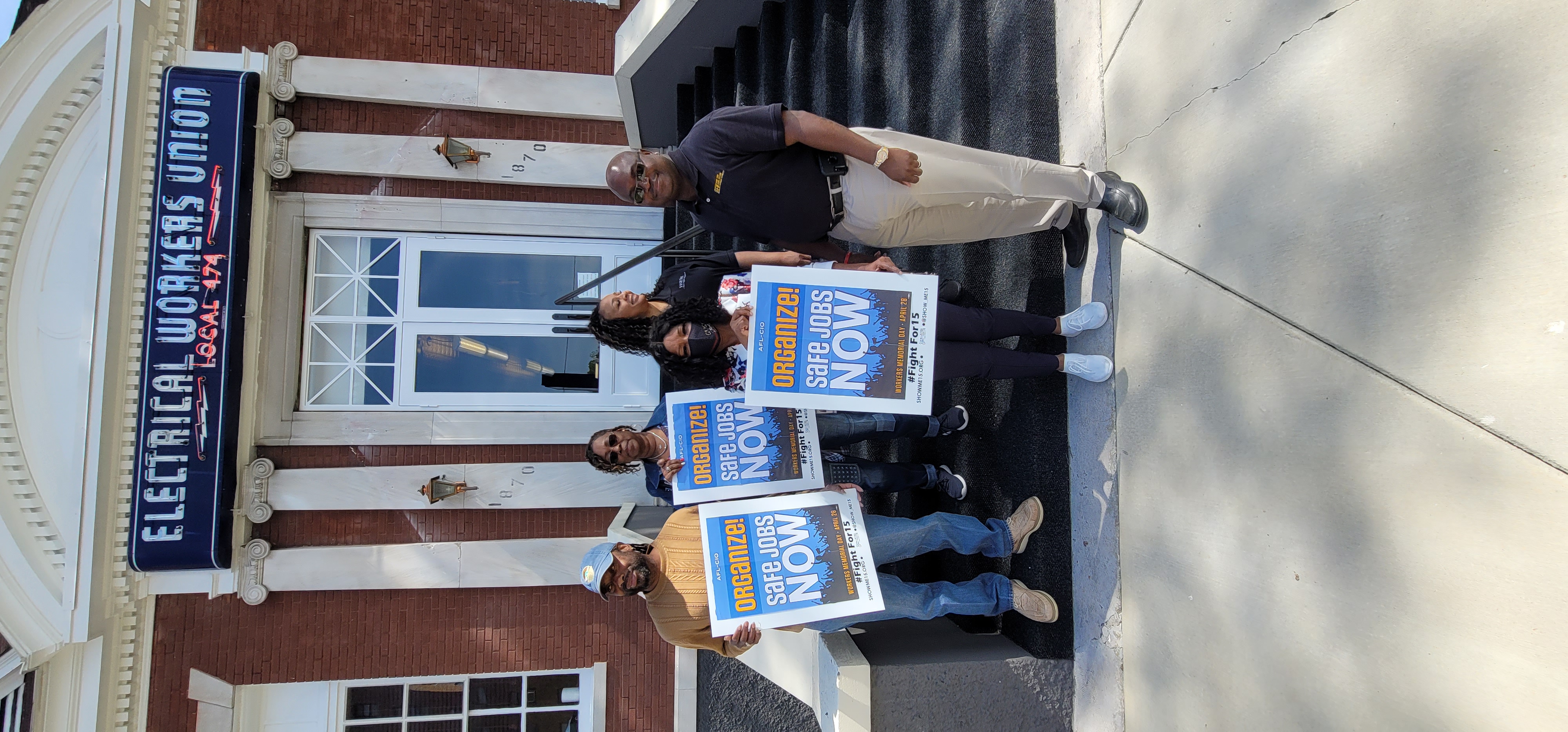
Corey Hester with IBEW Local 1288 members at IBEW Local 474 — "Organize! Safe Jobs Now" rally for Workers Memorial Day.
Corey Hester — photo 5
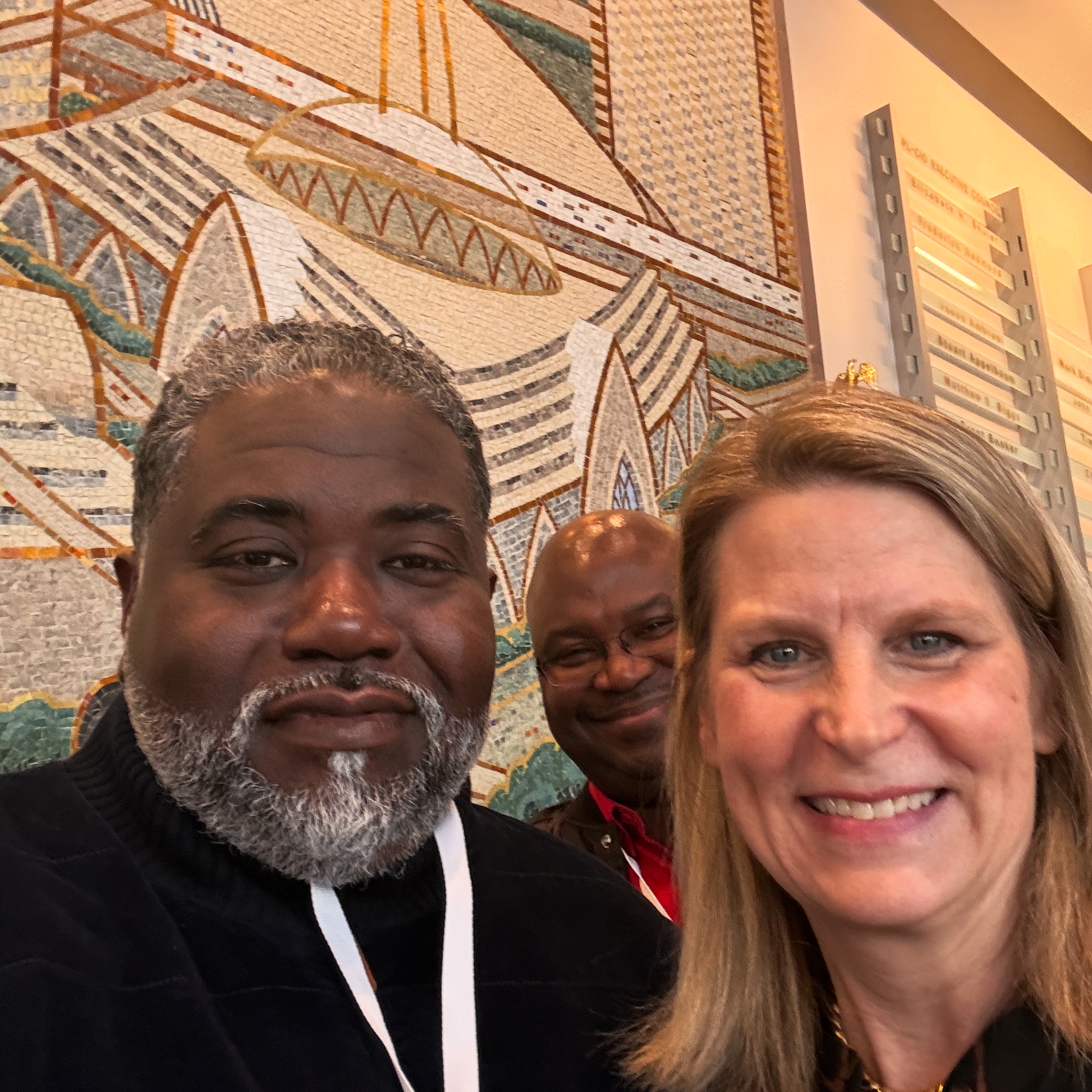
President Kevin Bradshaw (left), Corey Hester (back), and President Liz Shuler of the National AFL-CIO at AFL-CIO Headquarters in Washington, D.C.

Corey Hester carries the torch that has always been lit for IBEW Local 1288. As Business Agent, his leadership has grown the local — the union representing Memphis Light, Gas & Water (MLGW) electrical, gas, water, and general-services workers — into a powerful force and voice for its members across the Mid-South.

He concurrently serves as Sergeant at Arms and an Executive Board member of the Memphis & West Tennessee Central Labor Council, helping steer the strategy that protects every union member in the region.

Under his stewardship, IBEW 1288 has built one of the most active community-service programs in Memphis labor. Through the IBEW–Jonnie Dawson Charitable Foundation, the local funds the annual senior-citizen food giveaway and writes electric-bill stipends directly for Memphis & Shelby County seniors — including a single $60,000 community check delivered in December 2023.

The union doesn't stop at the contract. Under Corey, it keeps the lights on for the people who built this city.

UNION WEBSITEibewlocal1288.net
FREE eBOOK • ON THIS APP

Keep reading: Memphis strike history from 1968 to now

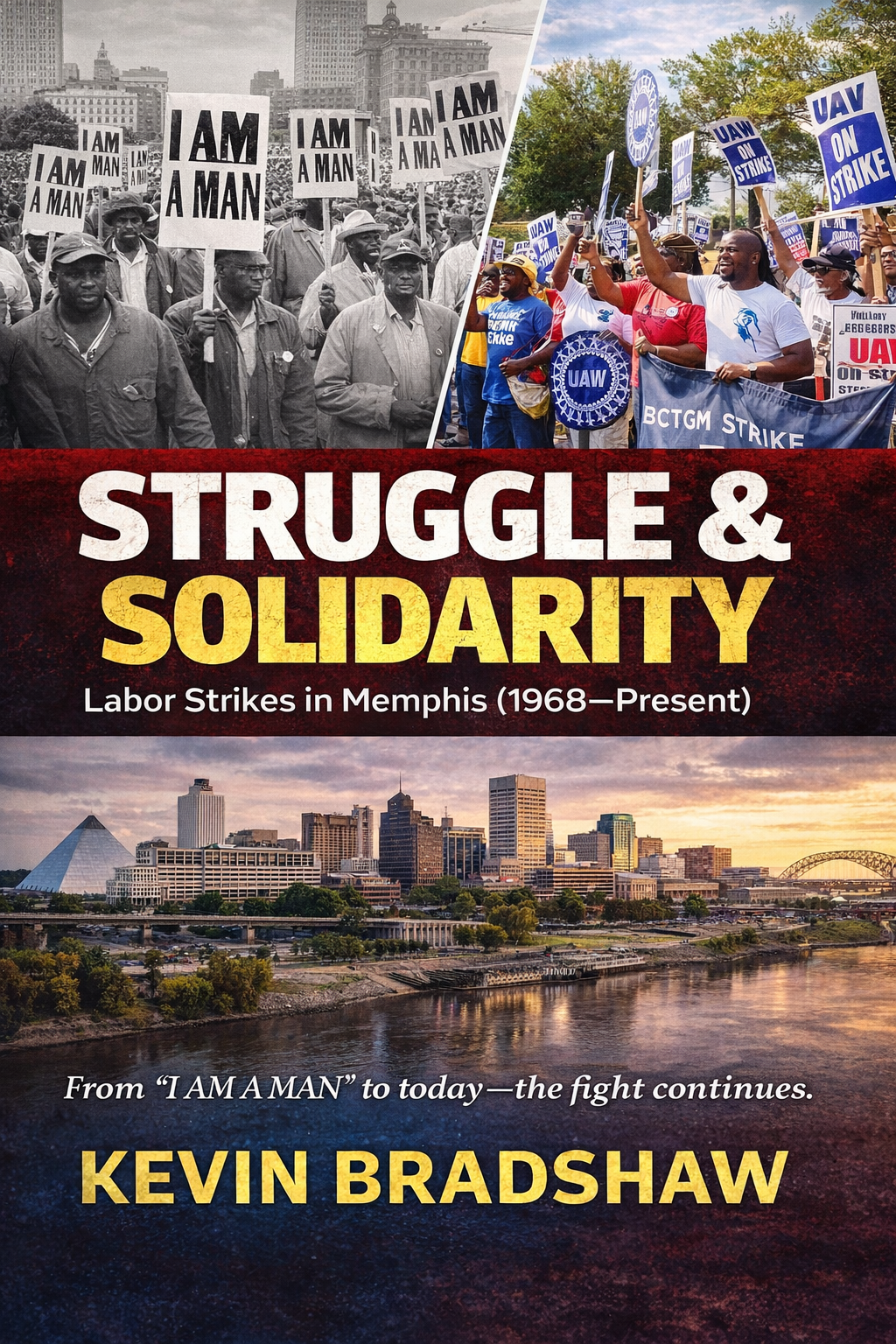
Struggle & Solidarity: Labor Strikes in Memphis (1968-Present) — a free eBook by President Kevin Bradshaw walking through every major Memphis labor fight from the sanitation strike to today's picket lines.

Struggle & Solidarity book coverRead the free eBook

"We who in engaging in nonviolent direct action are not the creators of tension. We merely bring to the surface the hidden tension that is already alive."

— Dr. King, echoing Dr. Lawson, from Birmingham Jail, 1963

Return to laboreducation.org
Bradshaw Solutions

Created by Kevin Bradshaw