Teamsters Local 667
Memphis Strong — carrying the legacy of 1968
Powering · Labor Education
A. Philip Randolph
1889 — 1979
Founder of the Brotherhood of Sleeping Car Porters. The man who forced two presidents to sign executive orders by threatening to march on Washington — and finally led the march in 1963.
“At the banquet table of nature, there are no reserved seats. You get what you can take, and you keep what you can hold. If you can't take anything, you won't get anything, and if you can't hold anything, you won't keep anything. And you can't take anything without organization.”
— A. Philip Randolph, 1937
Biography
Asa Philip Randolph was born in Crescent City, Florida in 1889, the son of a Methodist minister. He moved to Harlem in 1911 and within a decade was the loudest socialist voice in Black America, publishing The Messenger and refusing to be quieted by the Wilson, Harding, Coolidge, or Hoover administrations.
In 1925, sleeping-car porters working for the Pullman Company asked him to organize them into a union. White unions would not take them. The Pullman Company had broken every previous attempt. It took Randolph twelve years to win the first collective bargaining agreement signed by a Black-led union with a major American corporation. The Brotherhood of Sleeping Car Porters was the first.
In 1941, with Black workers locked out of defense industry jobs, Randolph threatened to bring 100,000 Black Americans to march on Washington. President Franklin Roosevelt signed Executive Order 8802 to prevent it — the first federal order banning racial discrimination in employment.
In 1948 he did it again. Refusing to register for a segregated draft, he forced President Truman to sign Executive Order 9981 desegregating the United States Armed Forces.
Fifteen years later, in 1963, he finally led the march he had been threatening since 1941. The March on Washington for Jobs and Freedom drew 250,000 to the Lincoln Memorial. Randolph opened the program. Dr. King closed it. Bayard Rustin had organized it in ten days.
Randolph served as Vice President of the AFL-CIO from 1957 until 1968. He founded the Negro American Labor Council in 1960 to push the federation to confront its own racism. When he died in 1979, Jimmy Carter said the labor movement had lost its founder.
What they built that we still stand on
Brotherhood of Sleeping Car Porters (1925)
First successful Black-led union under a major U.S. corporation. Twelve years of organizing. The contract was signed in 1937.
Executive Order 8802 (1941)
Banned racial discrimination in defense industries. Forced by Randolph's threat of a 100,000-person march on Washington that year.
Executive Order 9981 (1948)
Desegregated the U.S. Armed Forces. Forced by Randolph's refusal to register for a segregated draft.
March on Washington (1963)
Lead organizer of the largest demonstration in American history to that point. 250,000 people. Randolph opened the program with the title 'Director.'
Negro American Labor Council (1960)
Founded to confront the AFL-CIO's own segregation. The internal pressure that forced the federation to integrate.
AFL-CIO Vice President (1957-1968)
The first Black Vice President of the federation. Used the chair to push every constituent union toward integrated locals.
Randolph trained the generation of Black labor leaders who came to Memphis in 1968 — including Bill Lucy, who was his methodological heir at AFSCME. Every union local in this city traces some part of its DNA to a meeting Randolph either chaired, funded, or made possible.
Further study
Primary sources by and about A..
A. Philip Randolph: For Jobs and Freedom
The definitive PBS-aired documentary on Randolph's life — the Pullman porters, the threatened 1941 march, the 1948 forced integration of the Armed Forces, and the 1963 March on Washington he had been promising for twenty-two years.
Hosted on YouTube by California Newsreel. Play in-line above, or watch directly on YouTube.
Pre-filled message: “Watch California Newsreel's tribute to A. Philip Randolph — "A. Philip Randolph: For Jobs and Freedom" — on the Memphis & West TN CLC Labor Education site.”
Keep going — other resources on Randolph
The torch is still in Memphis hands.
The institution Randolph built has a working leader in Memphis right now. The chain is unbroken because the chair is filled.
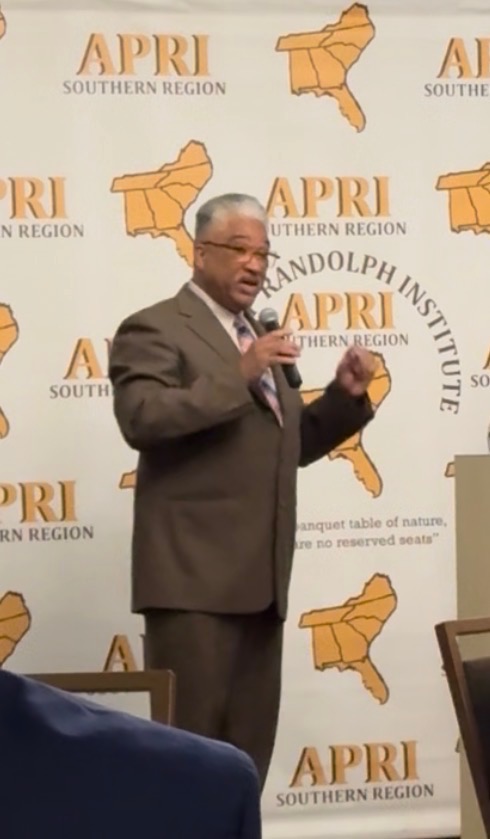
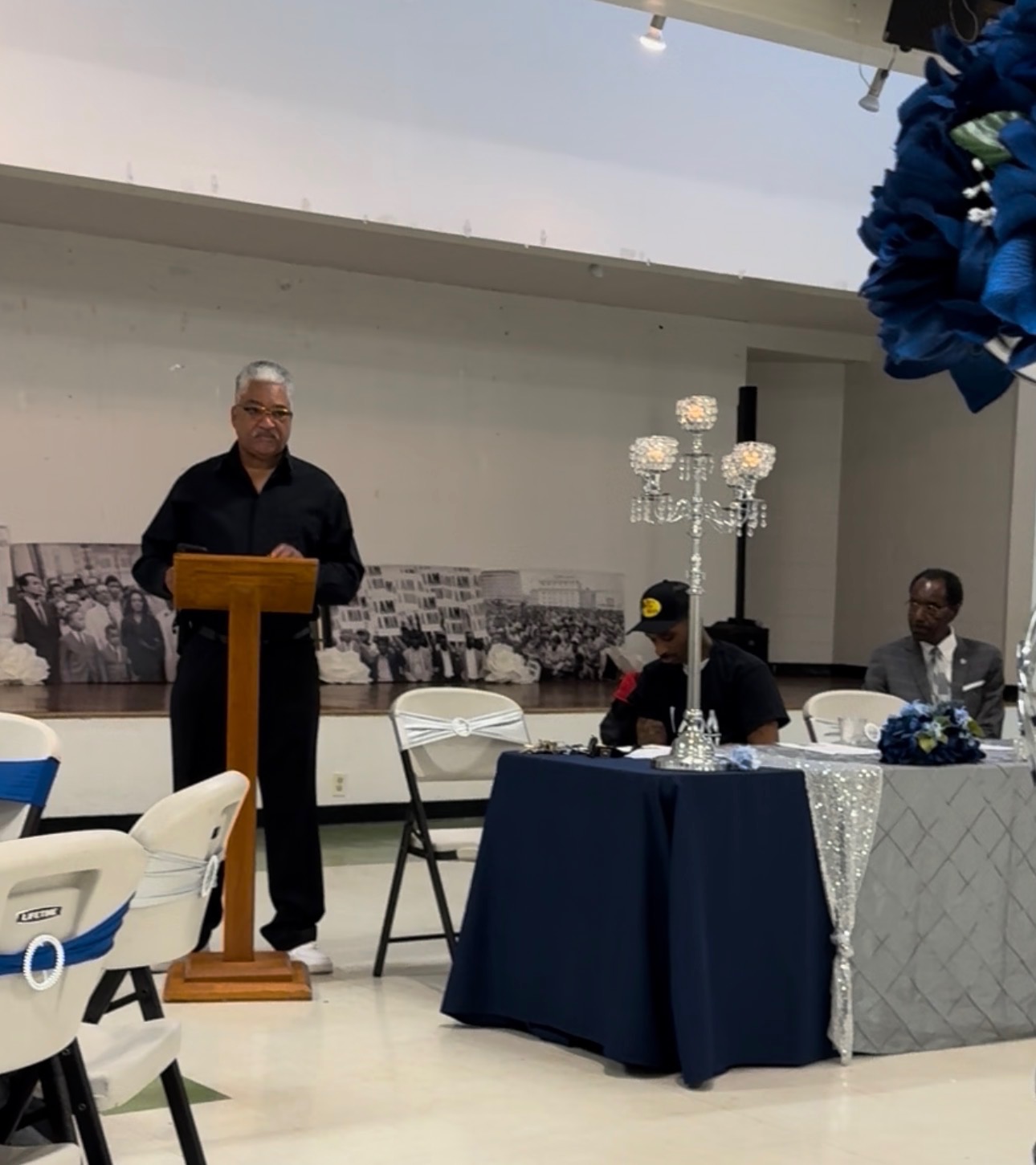
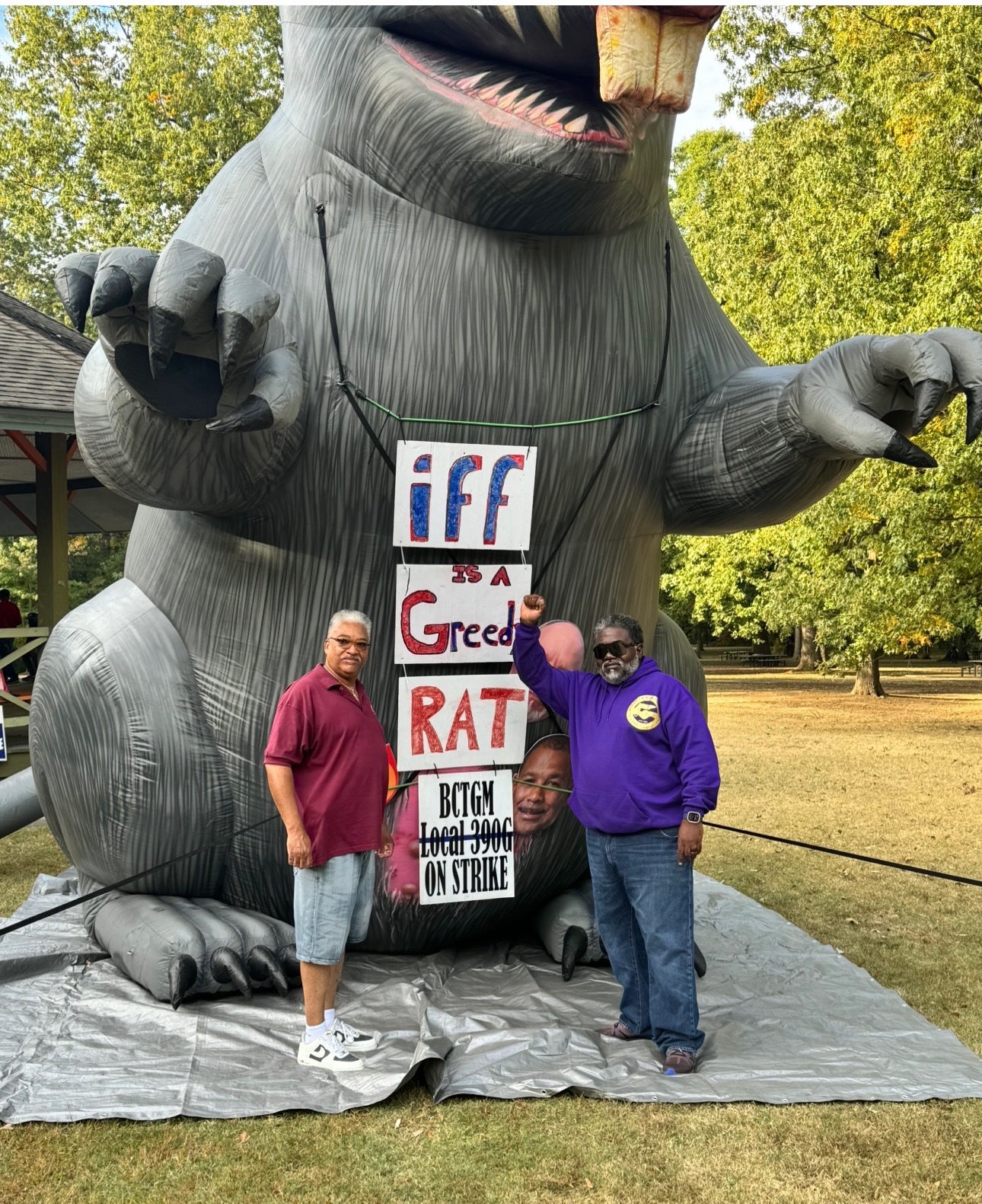
Kermit Moore
Randolph's institutional heir in Memphis. President of the A. Philip Randolph Institute (Memphis chapter) — the organization Randolph and Rustin co-founded in 1965 — and concurrently president of the NAACP Memphis Branch, holding both the labor and civil-rights chairs Randolph designed for.
Randolph — Knowledge Check
Five questions. Score 4 or higher to claim a printable certificate honoring your study of A. Philip Randolph.
Keep reading: Memphis strike history from 1968 to now
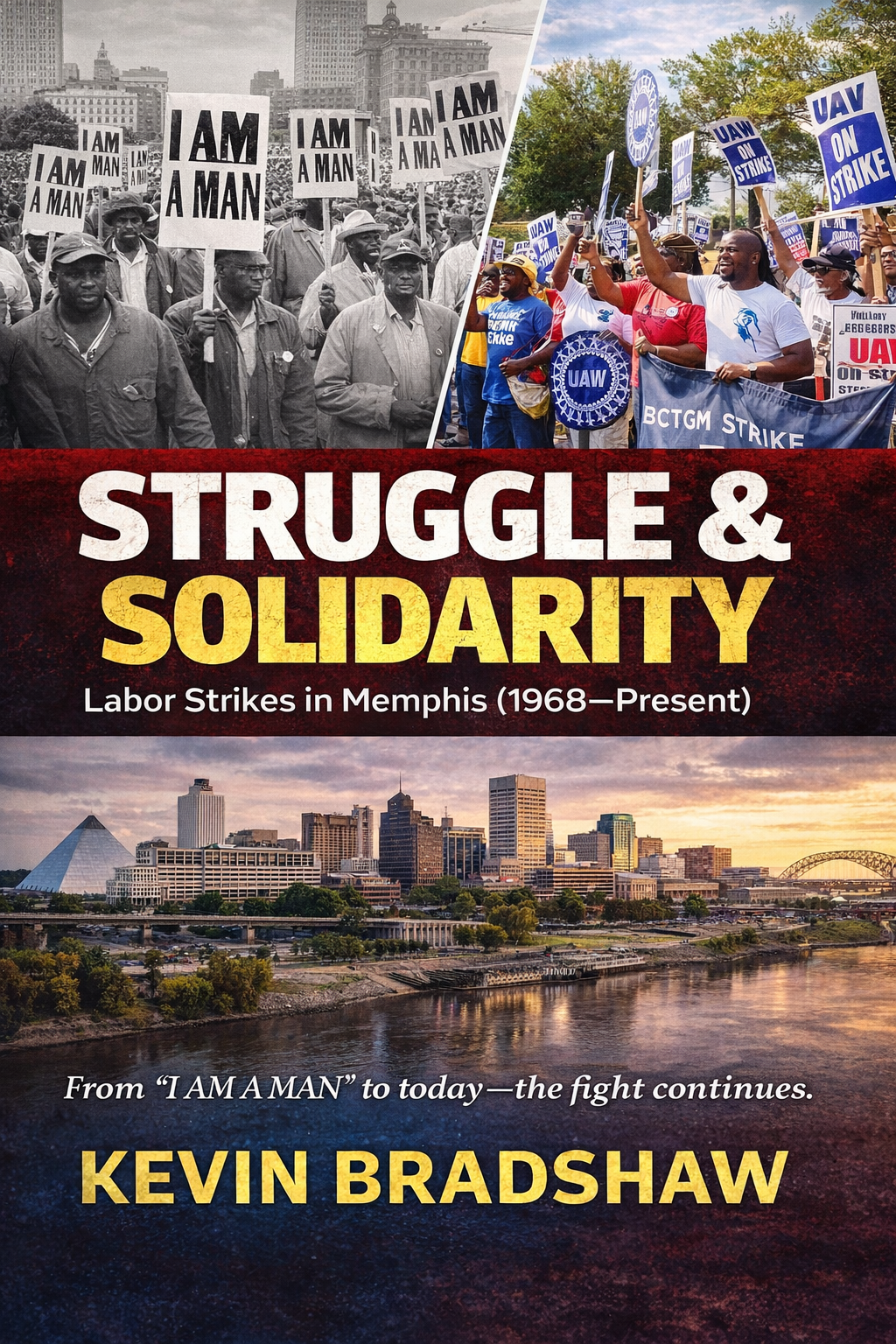
Struggle & Solidarity: Labor Strikes in Memphis (1968-Present) — a free eBook by President Kevin Bradshaw walking through every major Memphis labor fight from the sanitation strike to today's picket lines.
 Read the free eBook