Memphis Building & Construction
Trades Council
Powering · Labor Education
THE SOUTH GOT SOMETHING TO SAY
Educate · Organize · Mobilize · #LaborEducation
William "Bill" Lucy
1933 — 2024
AFSCME Secretary-Treasurer for 38 years. The architect of the "I AM A MAN" signs that became the visual identity of the 1968 Memphis Sanitation Workers Strike. Co-founder and president of the Coalition of Black Trade Unionists.
“I am a man. That is the entire labor movement in four words.”
— William "Bill" Lucy, reflecting on the 1968 Memphis strike
Biography
William Lucy was born in Memphis, Tennessee in 1933 and raised in Richmond, California. He took an engineering job with Contra Costa County, joined AFSCME Local 1675, and within a few years was running it. By 1966 he was on the national AFSCME staff. By 1972 he was the union's Secretary-Treasurer — the second-highest office in AFSCME — and he held the chair for thirty-eight years.
In February 1968, two Memphis sanitation workers — Echol Cole and Robert Walker — were crushed to death in the back of a malfunctioning garbage truck. The 1,300 Black sanitation workers of the City of Memphis walked off the job. Bill Lucy flew in from Washington. He sat with the strikers, listened, watched the city refuse to negotiate, and gave the strike its visual language. The signs the workers carried for the next sixty-five days, the signs Dr. King saw the night he was killed, the signs that became the most iconic image of the American labor movement — I AM A MAN — were Bill Lucy's idea.
Four years later, in 1972, Lucy co-founded the Coalition of Black Trade Unionists with Cleveland Robinson, Charles Hayes, William Simons, and Nelson Jack Edwards. CBTU was the inside organizing vehicle for Black union leadership inside the AFL-CIO. Lucy served as its president for forty-two years.
He was president of Public Services International — the global union federation of public sector workers — from 1994 to 2002. He served on the AFL-CIO Executive Council. He chaired the Free South Africa Movement that led the U.S. anti-apartheid divestment campaign. He testified before Congress more times than he could count.
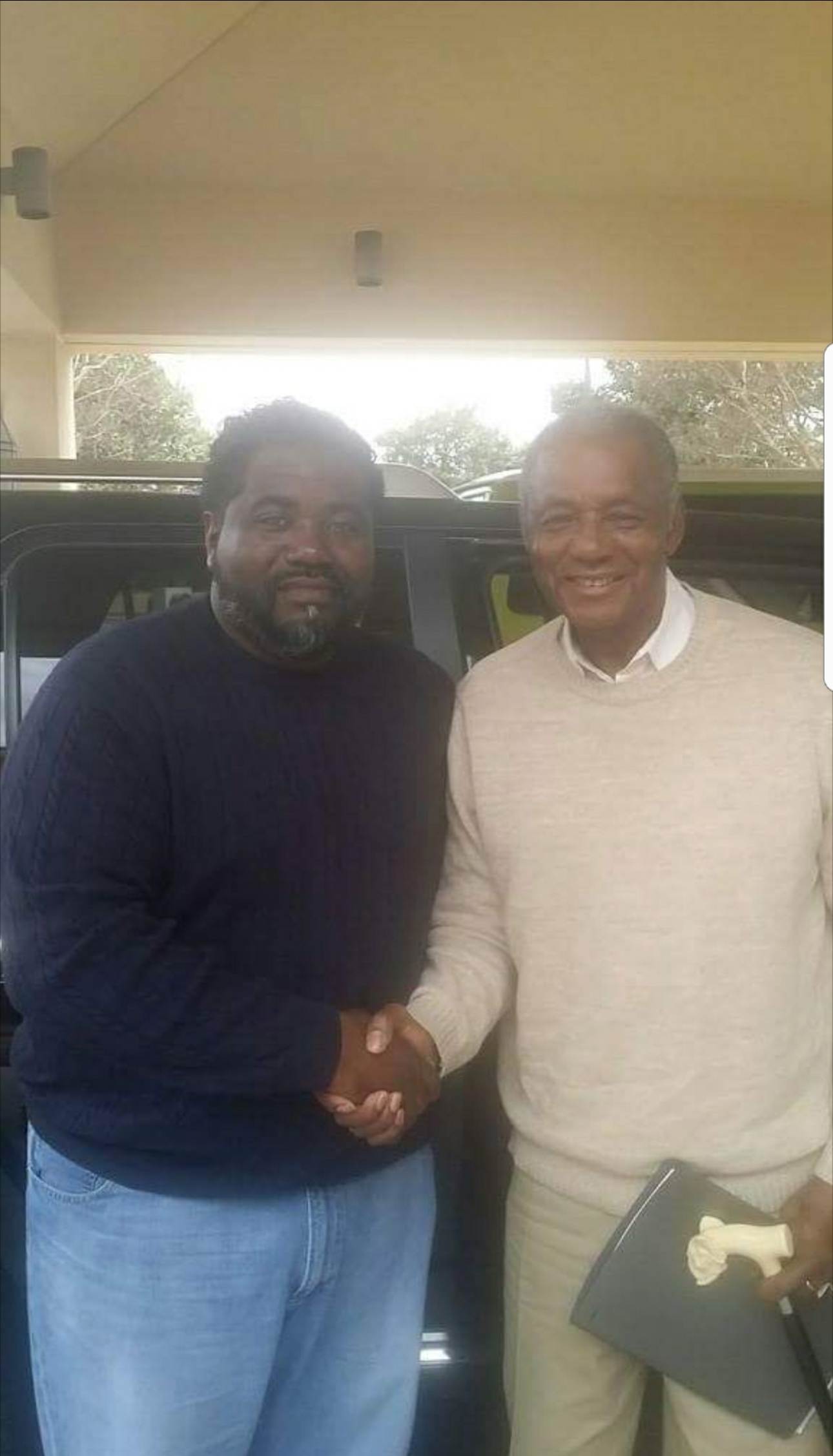
Lucy never lost his Memphis line of sight. The Kellogg's lockout began in October 2013 — a 295-day fight that BCTGM Local 252G carried on the Memphis line. In March 2014 Mr. Lucy came home to a strike meeting at the AFSCME Local 1733 union hall on 485 Beale Street — the same hall the 1968 sanitation workers had built — and stood before the locked-out Kellogg's members and spoke to them about the 1968 strike. He told them how their elders had endured, what the strike had cost, and what it had won. He returned to Memphis in April 2018 for the 50th anniversary of the strike he had helped lead. On April 3 — fifty years to the night after Dr. King's "I've Been to the Mountaintop" speech — Mr. Lucy spoke from the pulpit at Mason Temple, the same Church of God in Christ World Headquarters where Dr. King had stood that final night. Two days later, on April 5, 2018, he joined Rev. James Lawson, former sanitation worker Leslie Moore, Memphis Mayor Jim Strickland, and designer Cliff Garten for the ribbon cutting of the I AM A MAN Plaza — a permanent public monument to the strike Lucy and Lawson had led from opposite corners of the campaign half a century earlier. The phrase Lucy printed on signs in 1968 was now cast in steel on a Memphis plaza in 2018. Throughout the Kellogg's fight in 2013 and the BCTGM strike of 2021 — when the company locked out workers at all four U.S. plants, with the Memphis line on Frisco Avenue — Mr. Lucy was always available to President Kevin Bradshaw via phone with strategy, with patience, with what 1968 had taught him about endurance. The handset was the link from 1968 to 2021.
Bill Lucy died in 2024 at age 90, still calling the Memphis strike the proudest work of his life. He is buried in his hometown. The Memphis labor movement walks every march under his shadow.
What they built that we still stand on
AFSCME Secretary-Treasurer (1972-2010)
Thirty-eight years as the No. 2 of the largest public-sector union in the country. The longest such tenure in AFSCME history.
The "I AM A MAN" signs (1968)
Lucy's idea. The visual identity of the Memphis Sanitation Workers Strike. The image that defined the post-King labor movement and the cover of every textbook chapter on 1968.
Co-founded the Coalition of Black Trade Unionists (1972)
With Cleveland Robinson, Charles Hayes, William Simons, and Nelson Jack Edwards. The institutional home for Black labor leadership inside the AFL-CIO.
CBTU President (1972-2014)
Forty-two years. The unbroken thread of Black trade unionism from the Civil Rights generation to the present.
Chaired the Free South Africa Movement
Led the U.S. union divestment campaign that helped end apartheid. Arrested at the South African Embassy in Washington in 1984 along with Eleanor Holmes Norton and Mary Frances Berry.
Public Services International President (1994-2002)
Led the global union federation of public-sector workers in 154 countries through the privatization wave of the 1990s.
April 2018 — Mason Temple speech & I AM A MAN Plaza ribbon cutting alongside Rev. Lawson
Returned to Memphis for the 50th anniversary of the 1968 strike. April 3, 2018: spoke from the pulpit at Mason Temple — fifty years to the night after Dr. King's "Mountaintop" speech in that same sanctuary. April 5, 2018: joined Rev. James Lawson, former sanitation worker Leslie Moore, Mayor Jim Strickland, and designer Cliff Garten at the ribbon cutting of the I AM A MAN Plaza — the phrase Lucy printed on signs in 1968 cast in steel on a permanent Memphis plaza. (Photos: MLK50 / Andrea Morales.)
March 2014 strike meeting at AFSCME 1733 & always available to President Kevin Bradshaw
The Kellogg's lockout began October 2013 and ran 295 days. In March 2014 Mr. Lucy came home to the AFSCME Local 1733 union hall at 485 Beale Street and spoke to locked-out BCTGM Local 252G members about the 1968 sanitation strike — what their elders endured and what it won. Throughout the 2013 fight and the 2021 BCTGM strike (Memphis line on Frisco Avenue, workers out at all four U.S. plants), Mr. Lucy was always available to President Kevin Bradshaw via phone — strategy, patience, what 1968 had taught him about endurance. The handset was the link from 1968 to 2021.
Lucy was Memphis. Born here. Buried here. The 1968 strike he stewarded is the founding document of the modern Memphis & West Tennessee Central Labor Council. The plaque at the AFSCME Local 1733 hall bears his name. CBTU's Memphis chapter — which has its own page on this platform — is his living institutional legacy.
Further study
Primary sources by and about William.
Bill Lucy: Rest in Power
AFSCME's official tribute to William "Bill" Lucy. Born in Memphis. Architect of the "I AM A MAN" sign. Forty-two years as president of the Coalition of Black Trade Unionists. Phone counselor to President Kevin Bradshaw through the Kellogg's 2013 lockout and 2021 strike.
Hosted on YouTube by AFSCME (official). Play in-line above, or watch directly on YouTube.
Pre-filled message: “Watch AFSCME (official)'s tribute to William "Bill" Lucy — "Bill Lucy: Rest in Power" — on the Memphis & West TN CLC Labor Education site.”
Keep going — other resources on Lucy
The torch is still in Memphis hands.
The institution Lucy built has a working leader in Memphis right now. The chain is unbroken because the chair is filled.
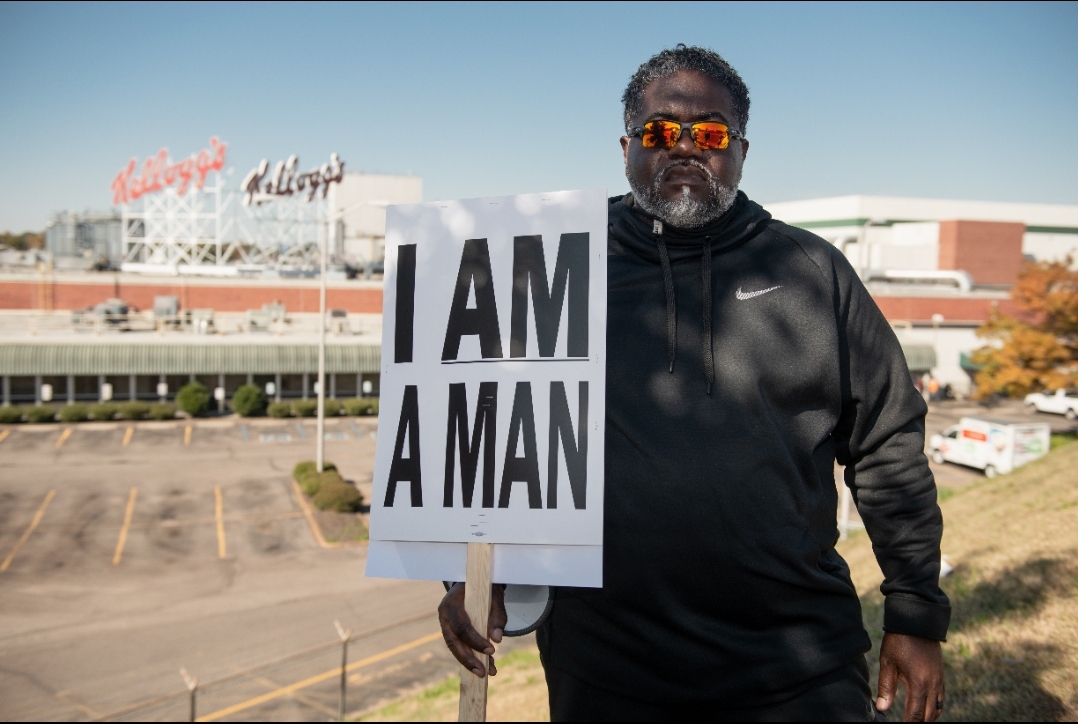
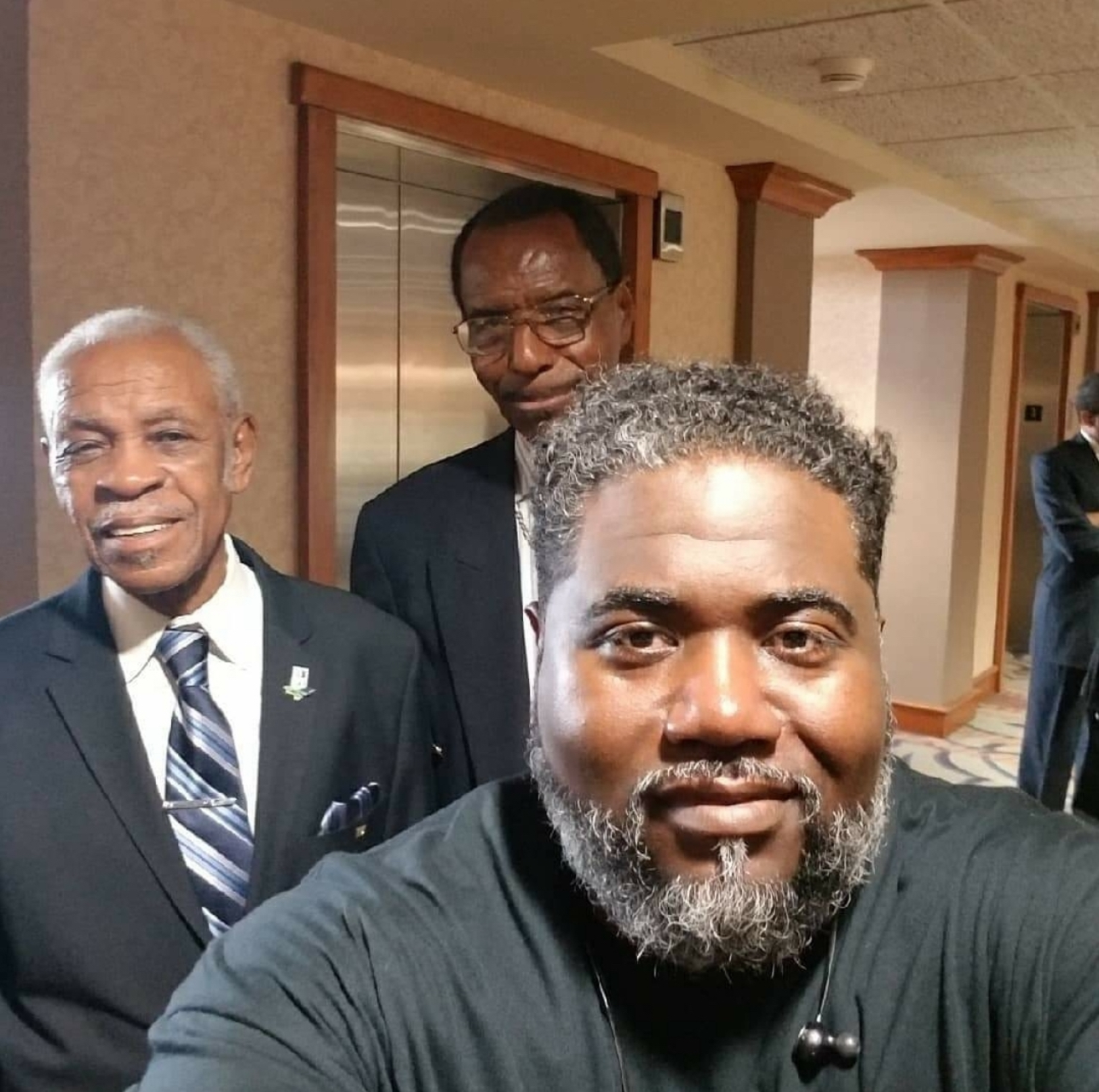
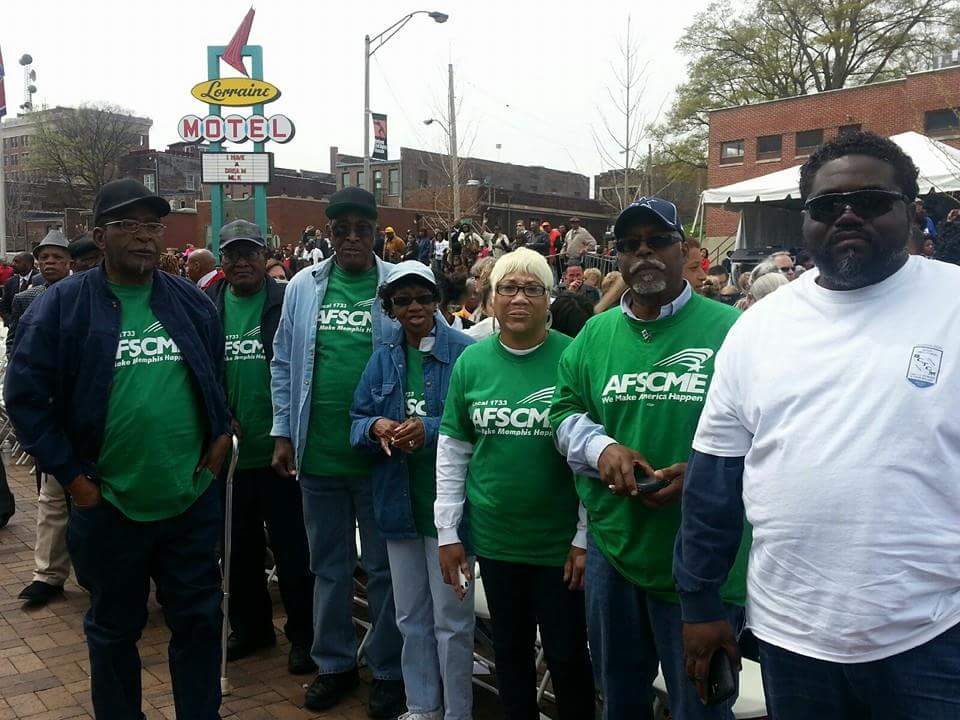
Kevin Bradshaw
Lucy's institutional heir in Memphis. President of the Memphis & West Tennessee Central Labor Council — the institutional descendant of the 1968 sanitation strike — and concurrently president of CBTU Memphis, the chapter of the Coalition of Black Trade Unionists that Bill Lucy co-founded in 1972. The Council Lucy helped build is now the chair Bradshaw holds.
Lucy — Knowledge Check
Five questions. Score 4 or higher to claim a printable certificate honoring your study of William "Bill" Lucy.
Keep reading: Memphis strike history from 1968 to now
Struggle & Solidarity: Labor Strikes in Memphis (1968-Present) — a free eBook by President Kevin Bradshaw walking through every major Memphis labor fight from the sanitation strike to today's picket lines.
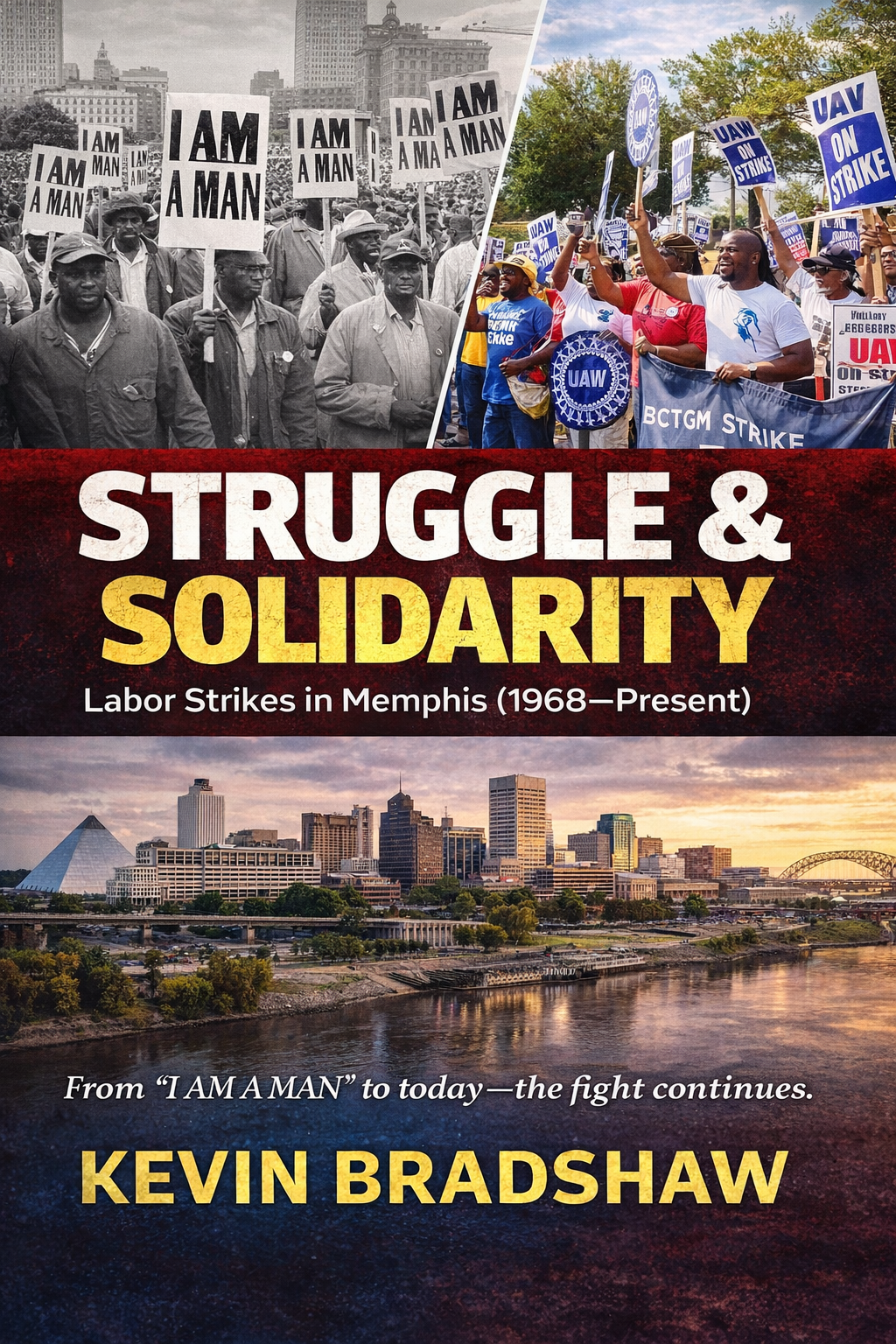 Read the free eBook
 Translate